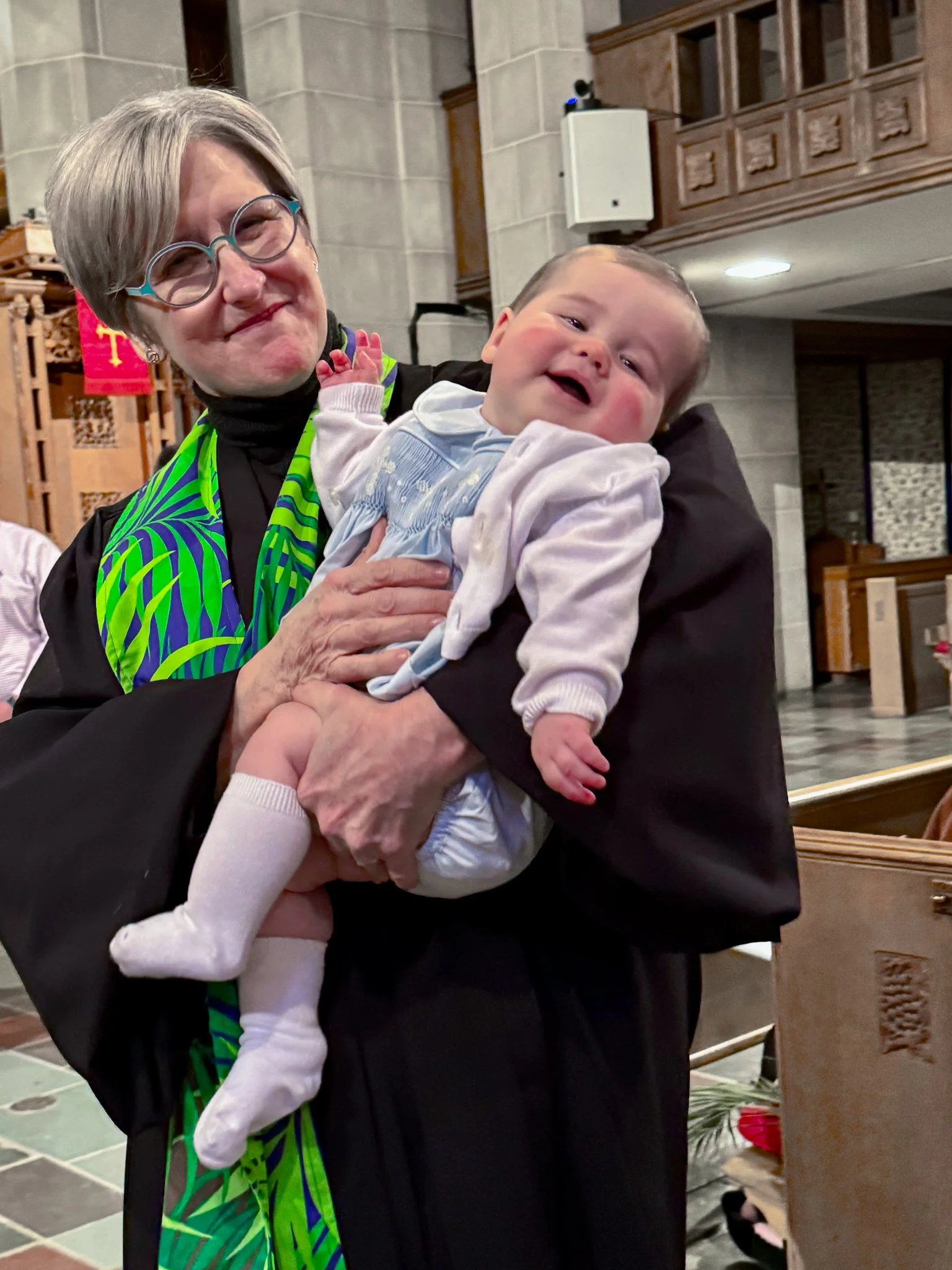
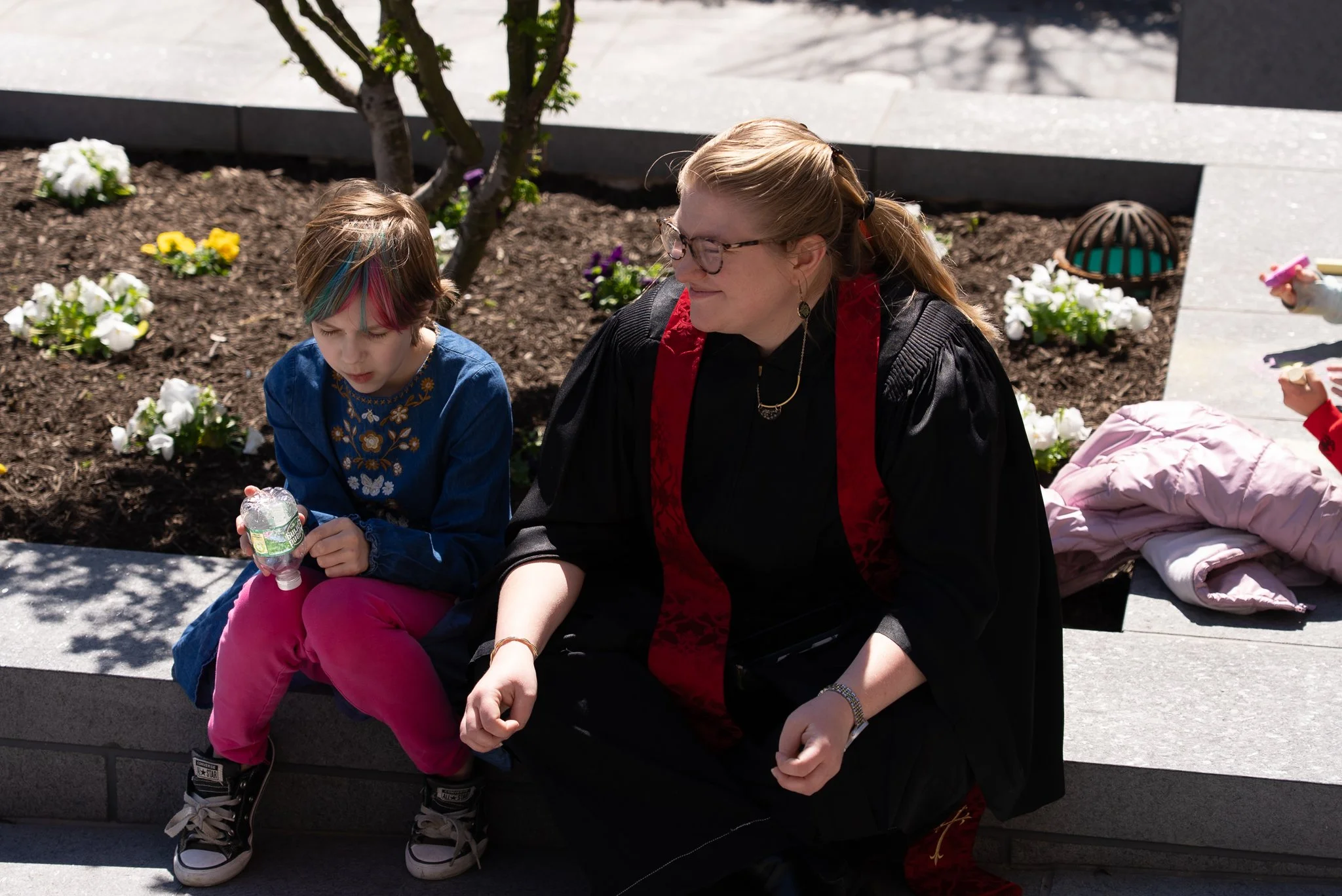
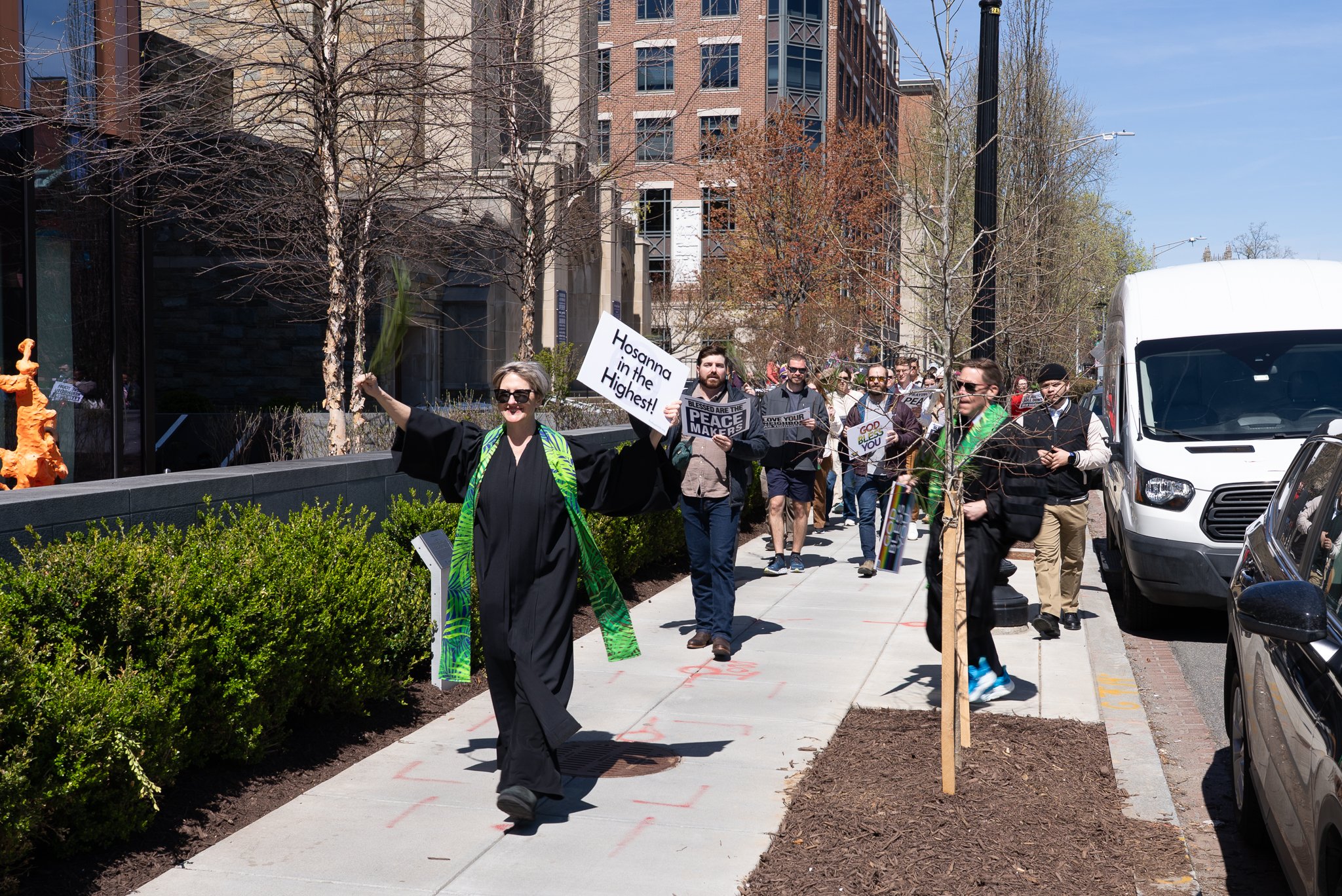
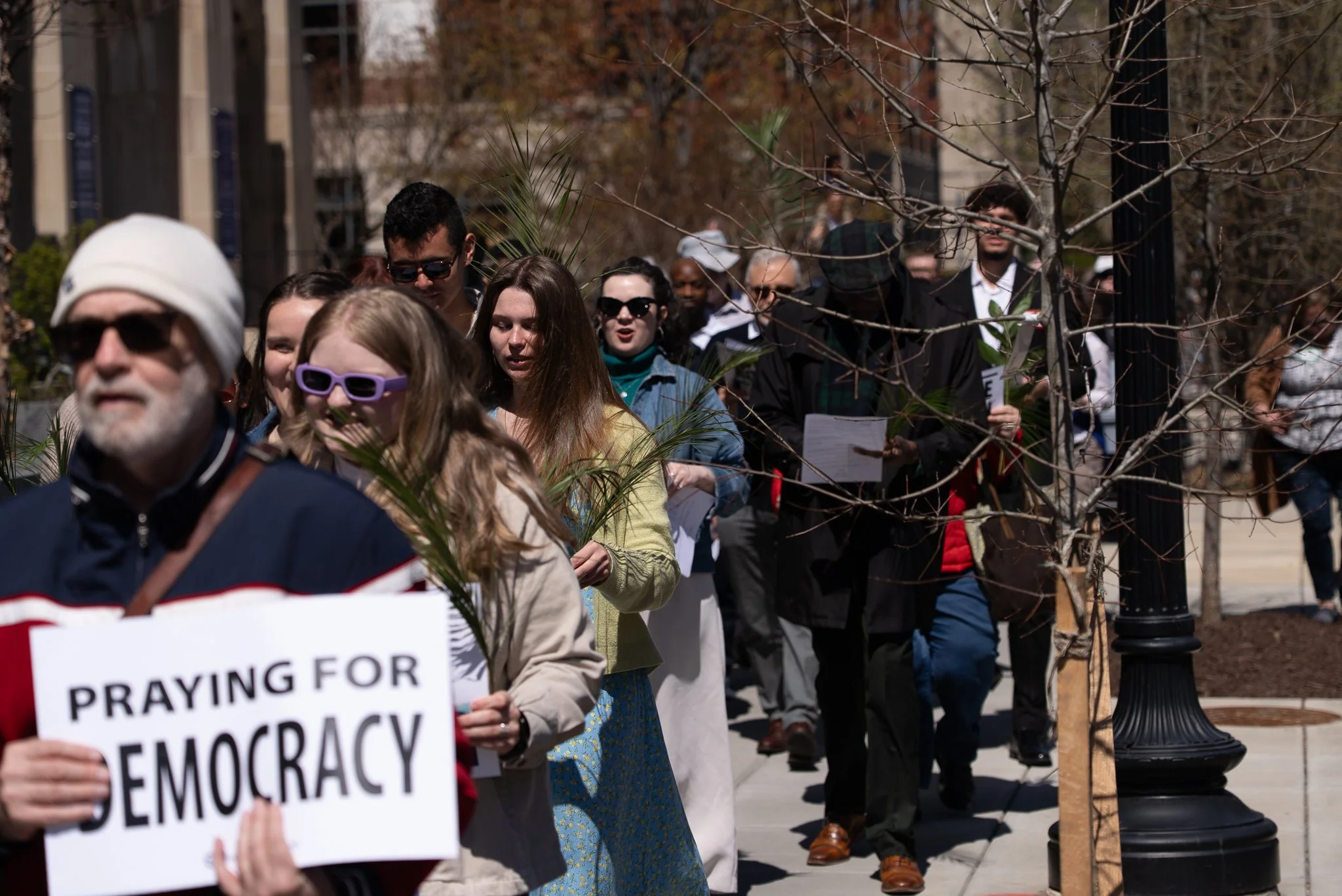
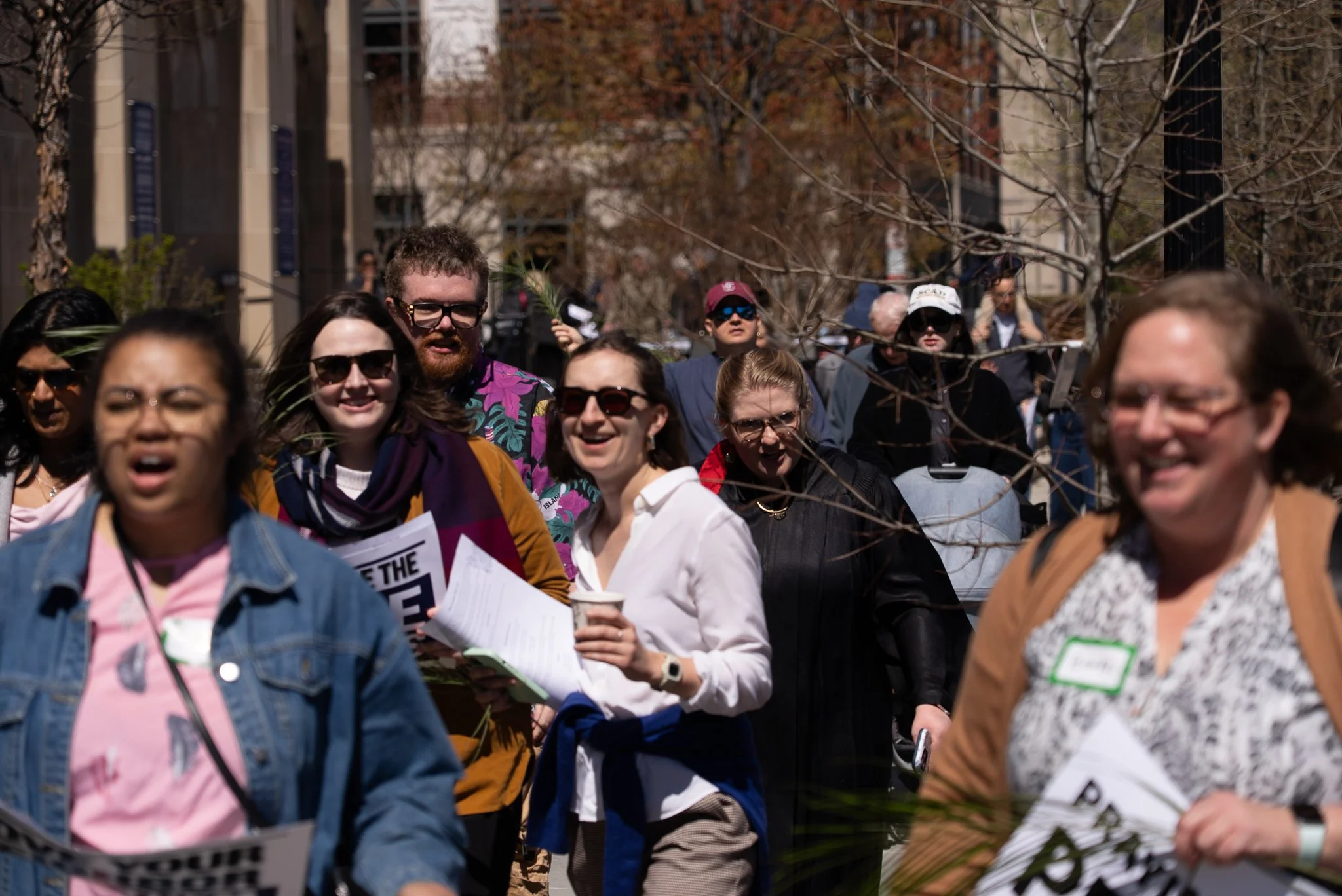
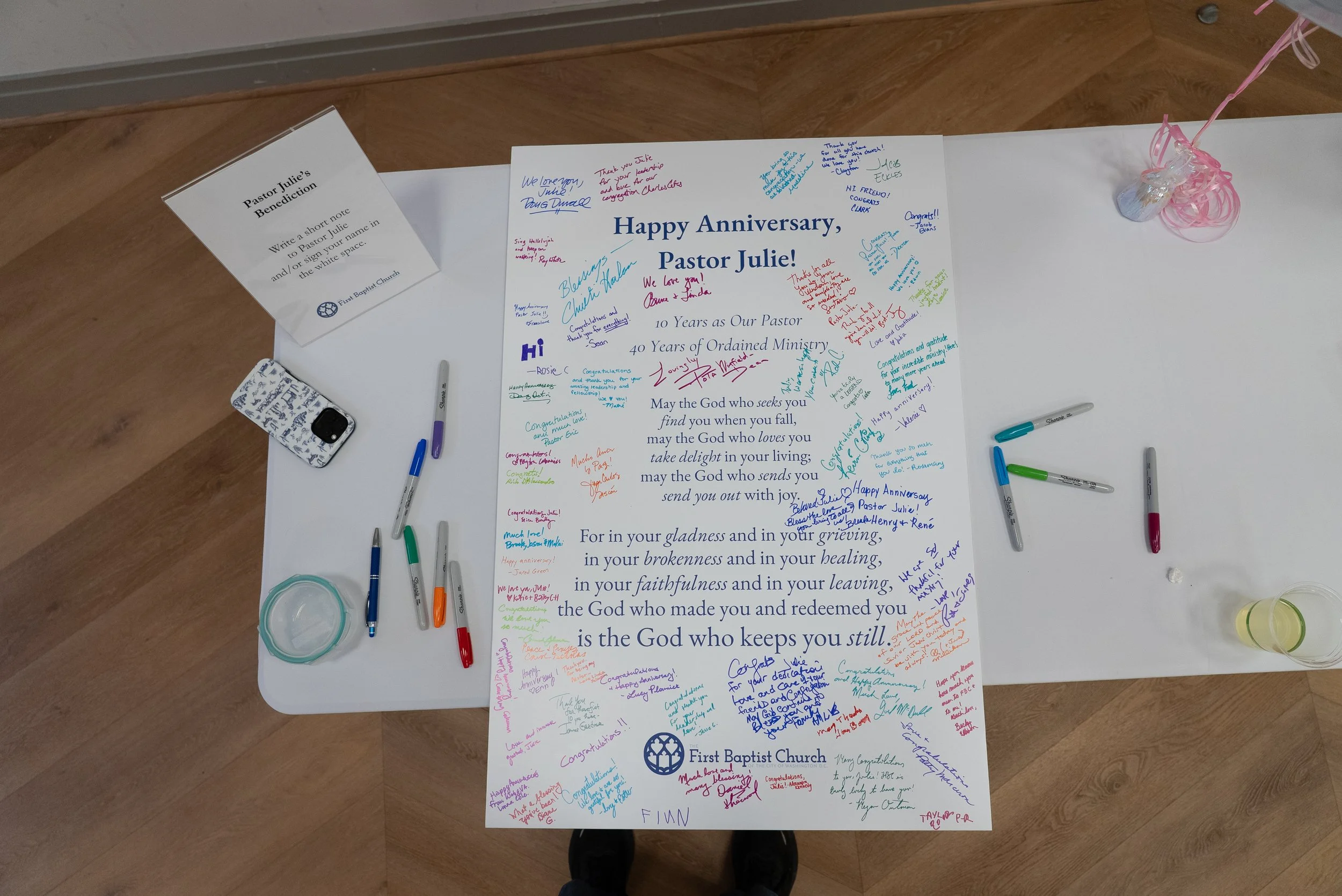
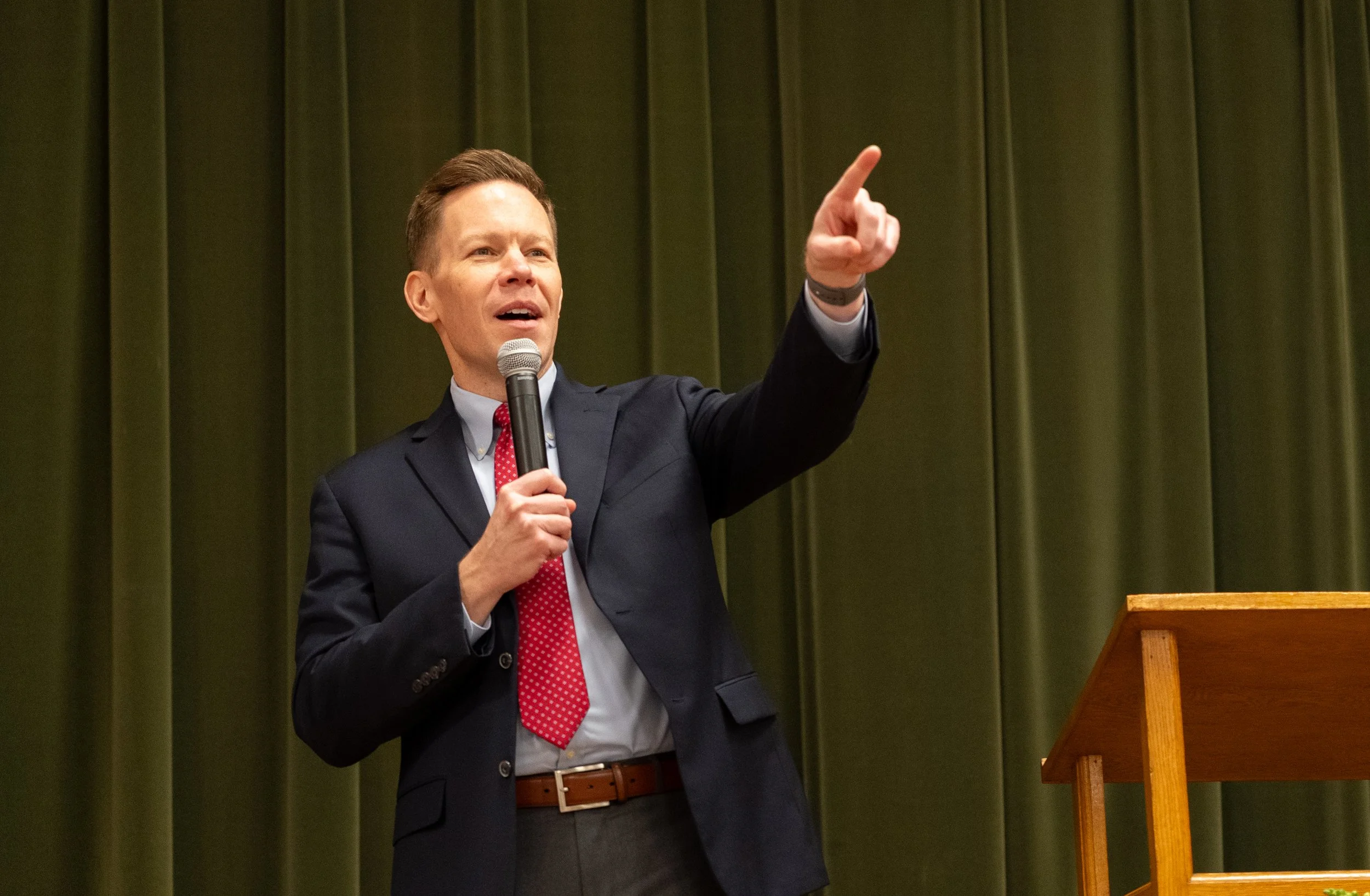
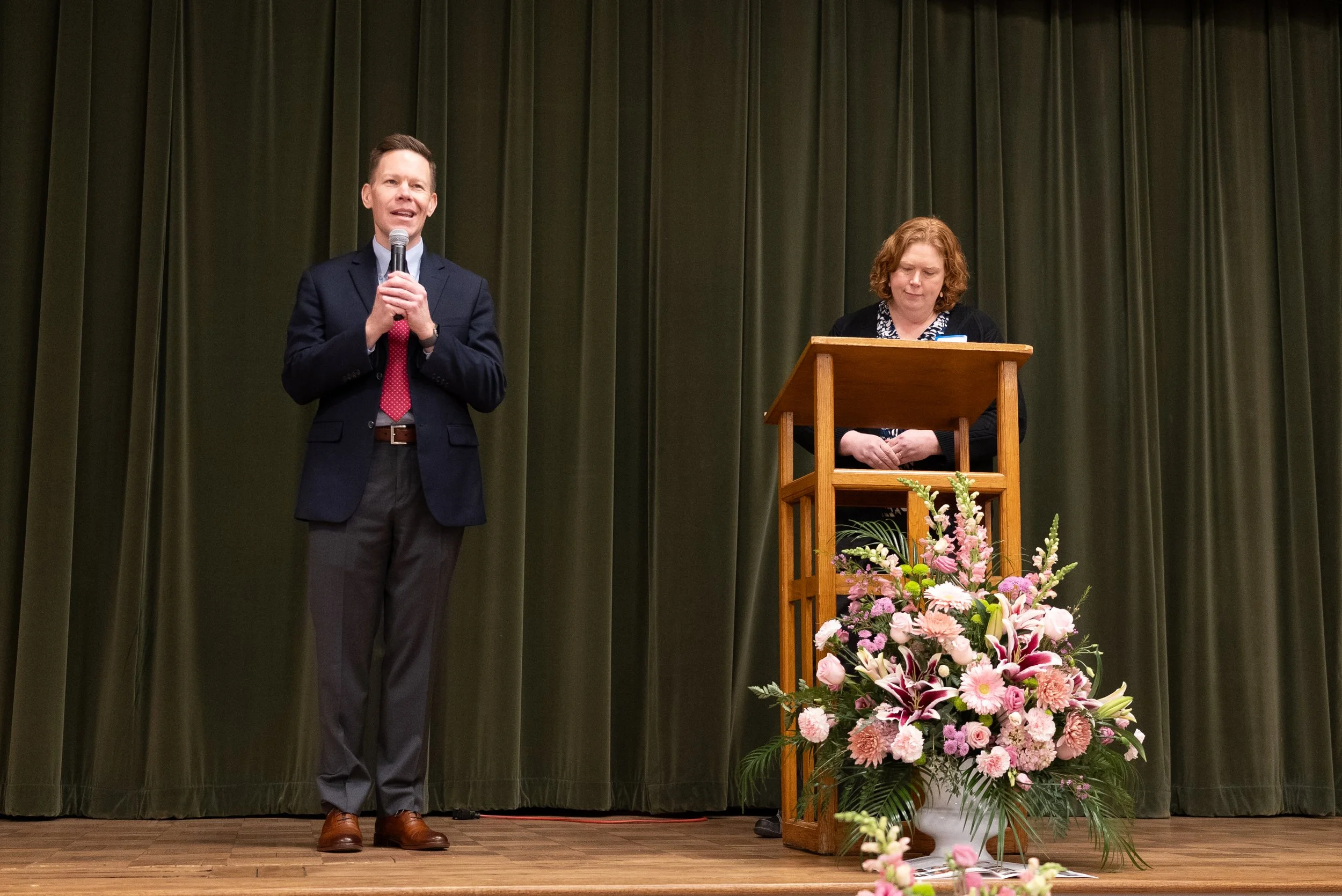
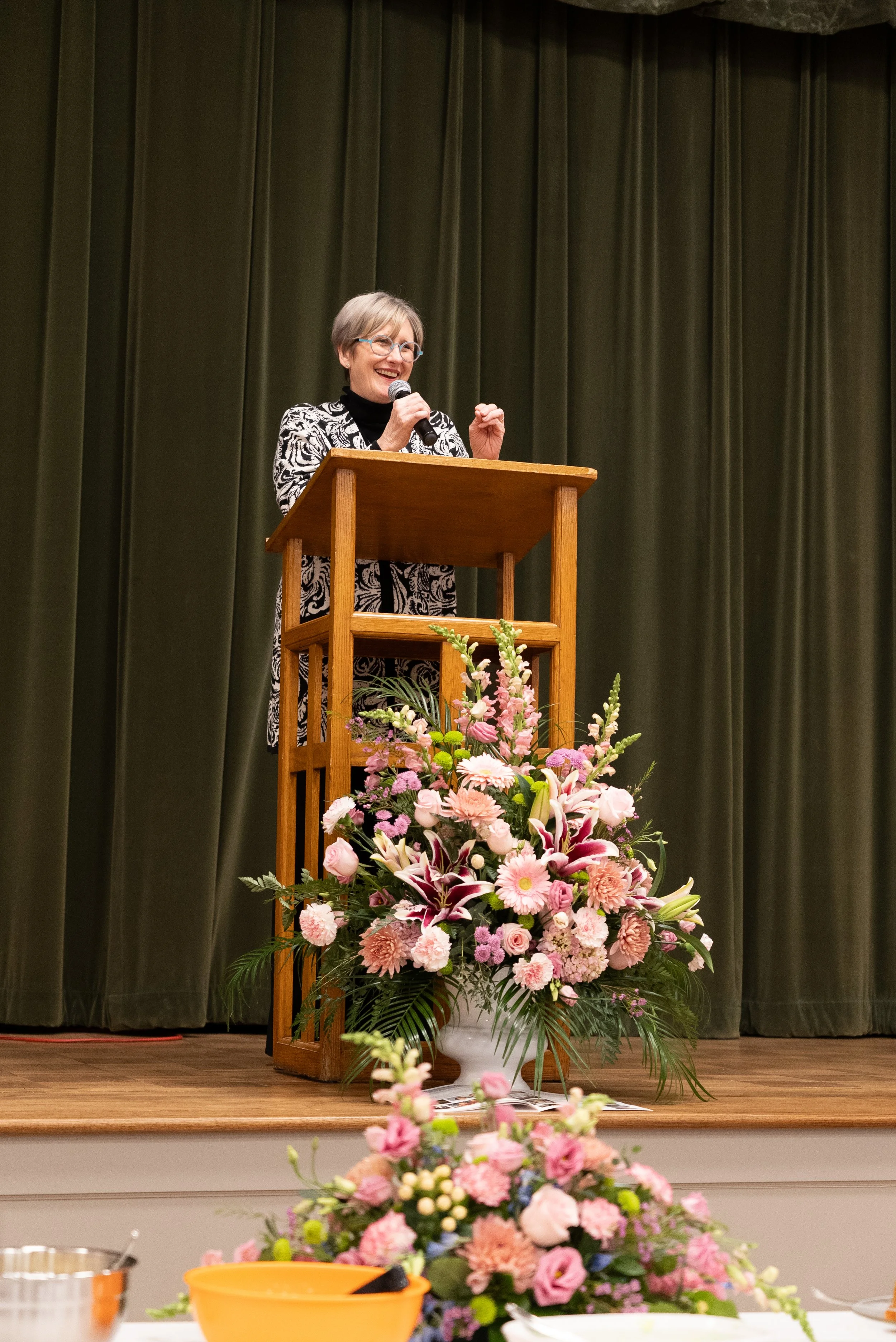
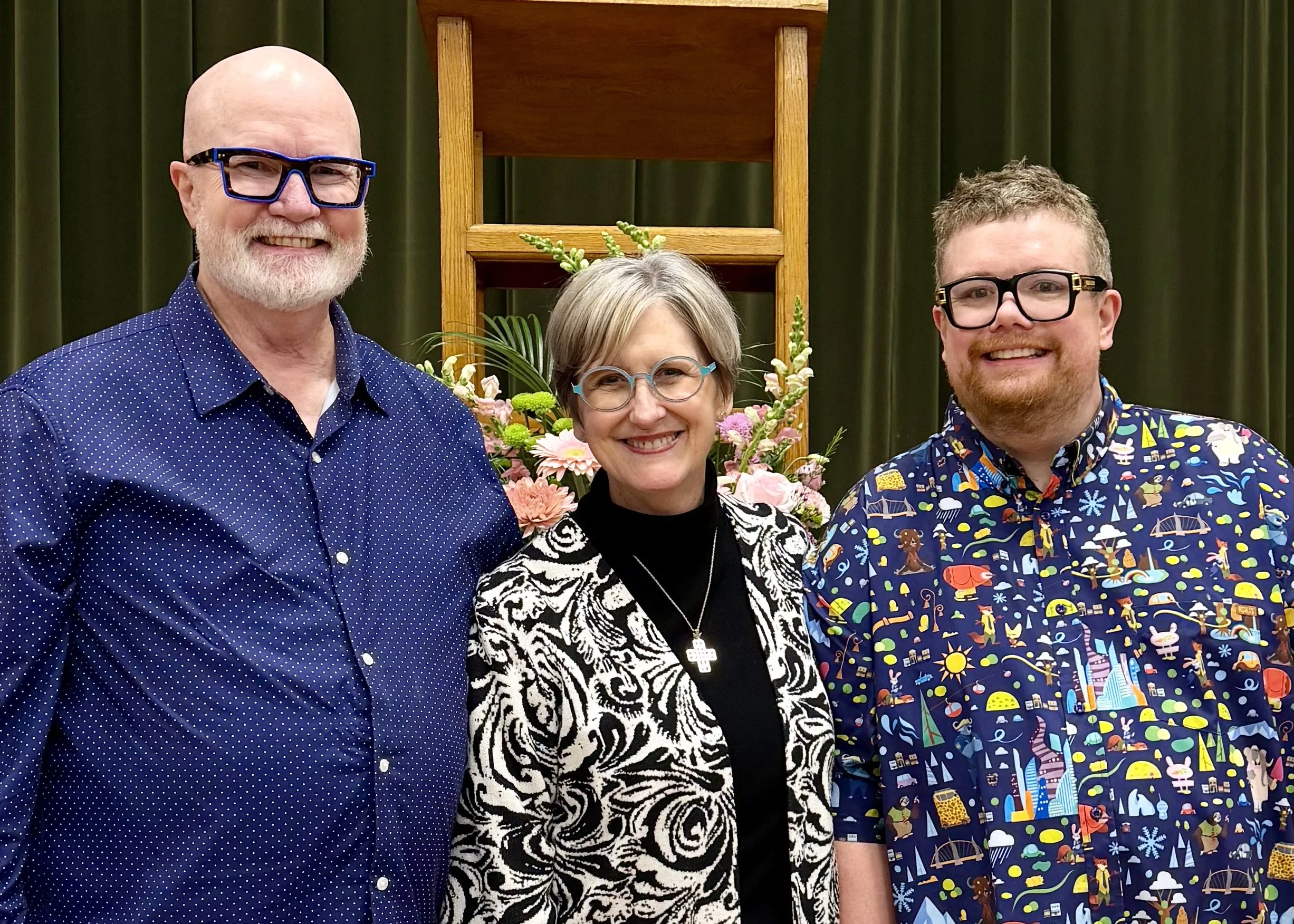
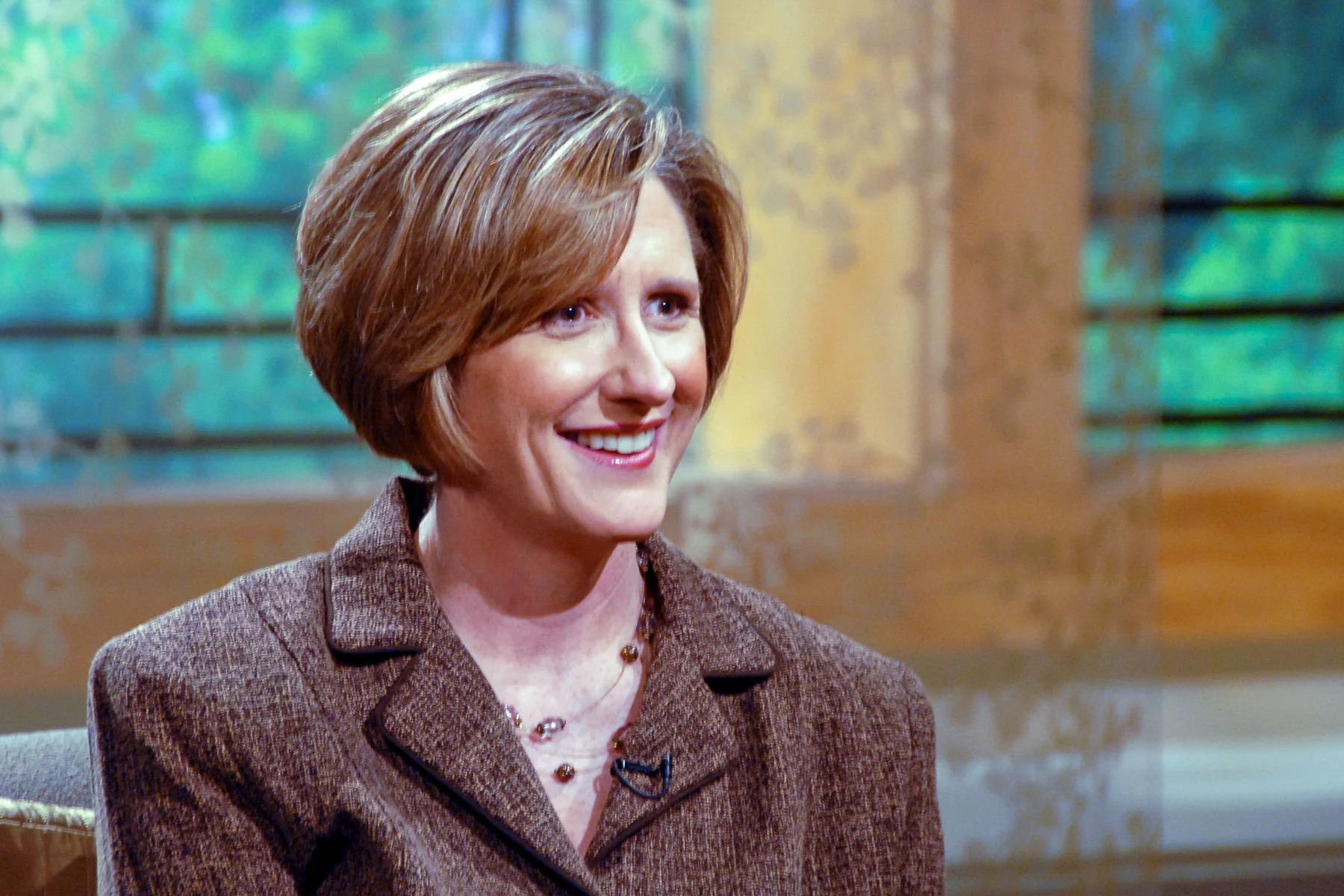
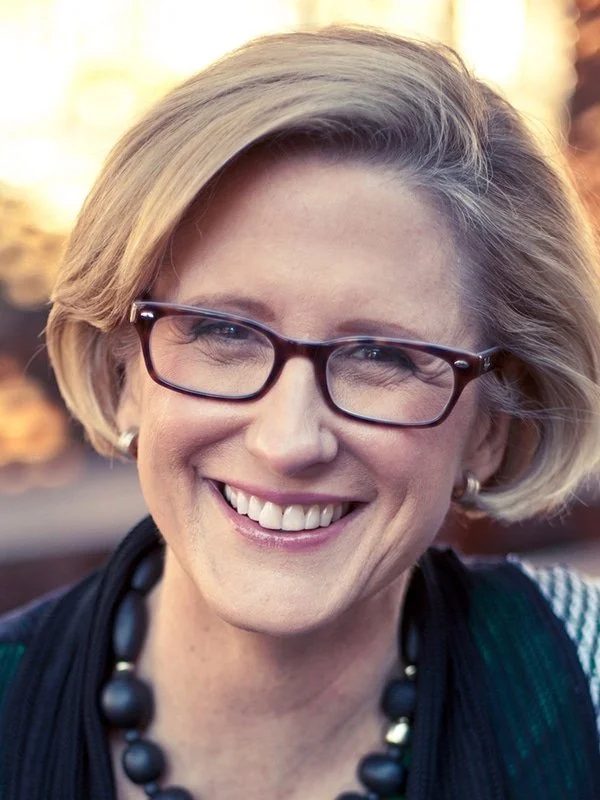
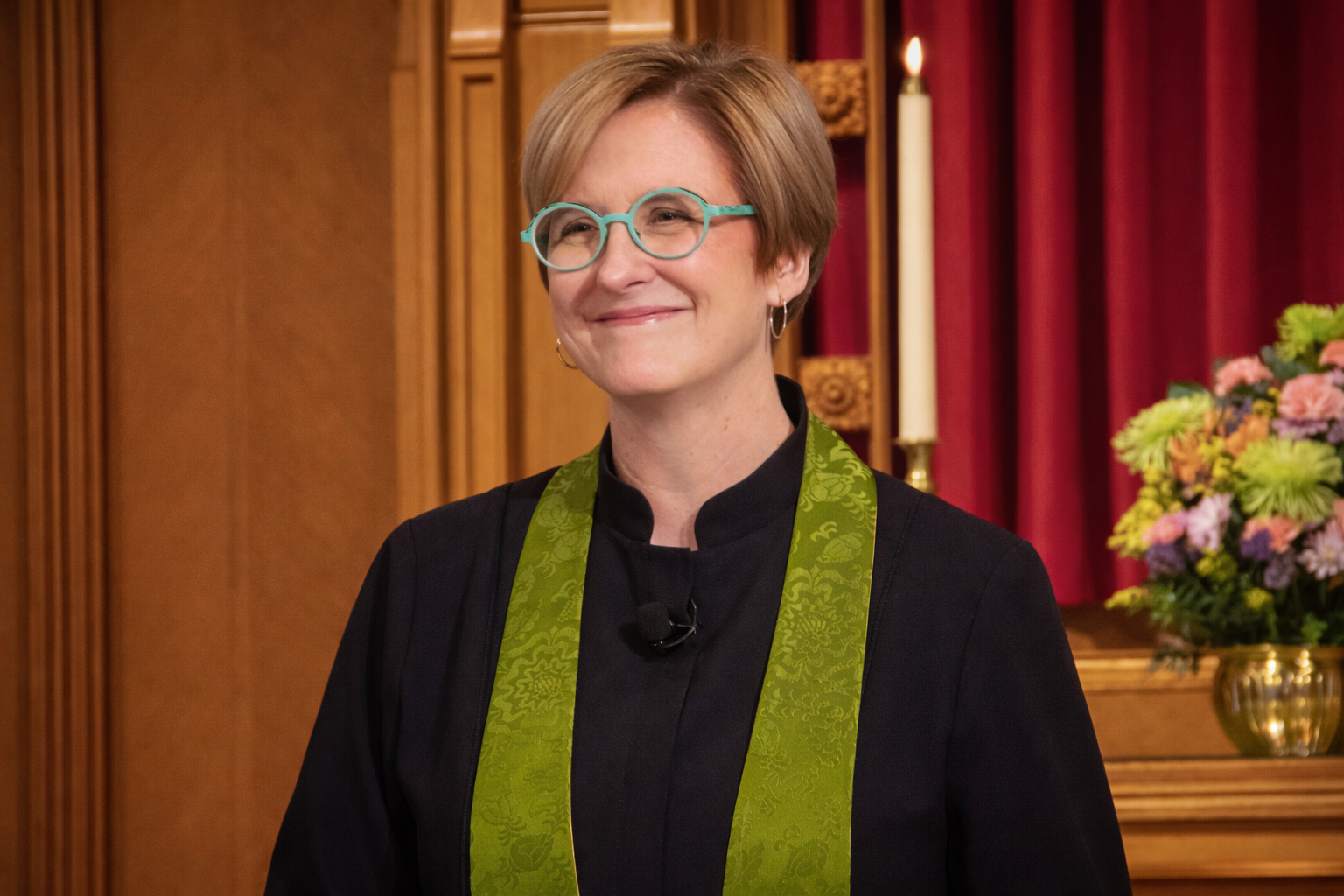
Pastor Julie came to Washington, D.C. with a calling that had been shaped over the decade prior to her arrival – and now over four decades. From the wind-swept San Francisco Bay, to the wide-open Texas skies over Waco, through the magnolias of Decatur, Georgia, she carried with her a north star she had drawn from the mystical writings of St. Hildegard of Bingen: to be a feather on the breath of God.
That image has come to define not only her vocation, but the congregation she has companioned into being.
A MINISTRY OF FIRSTS
From San Francisco to Washington
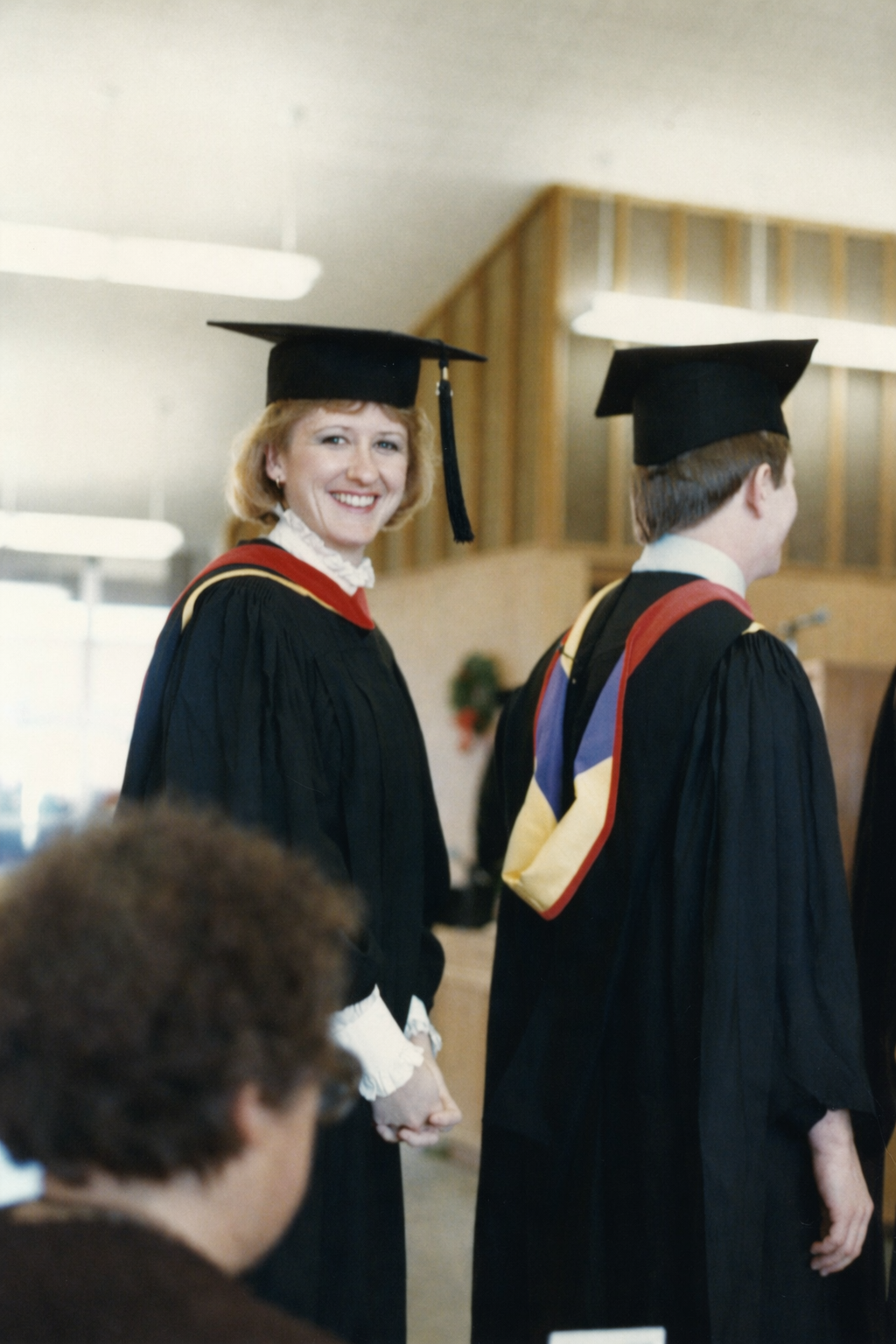
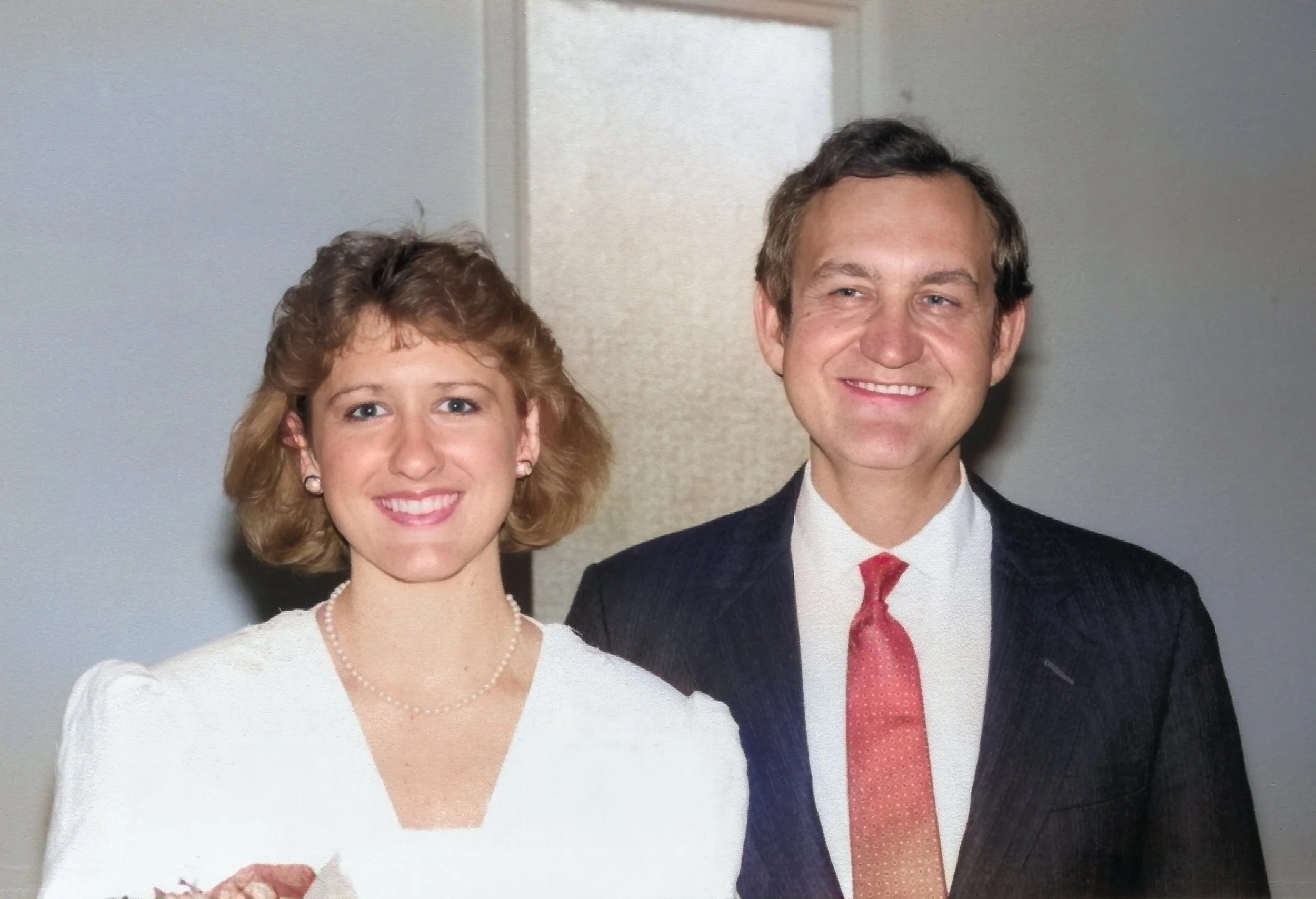
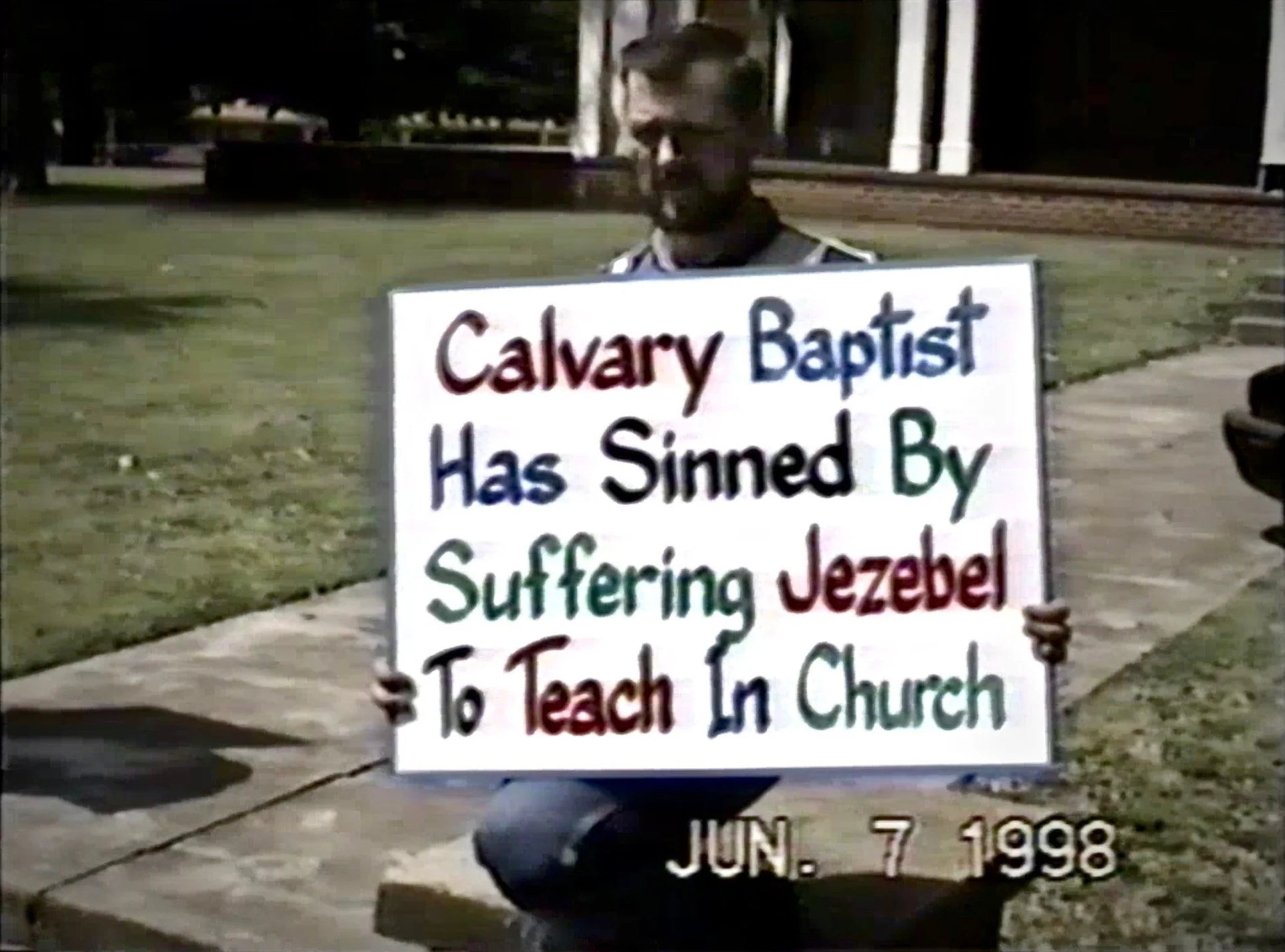
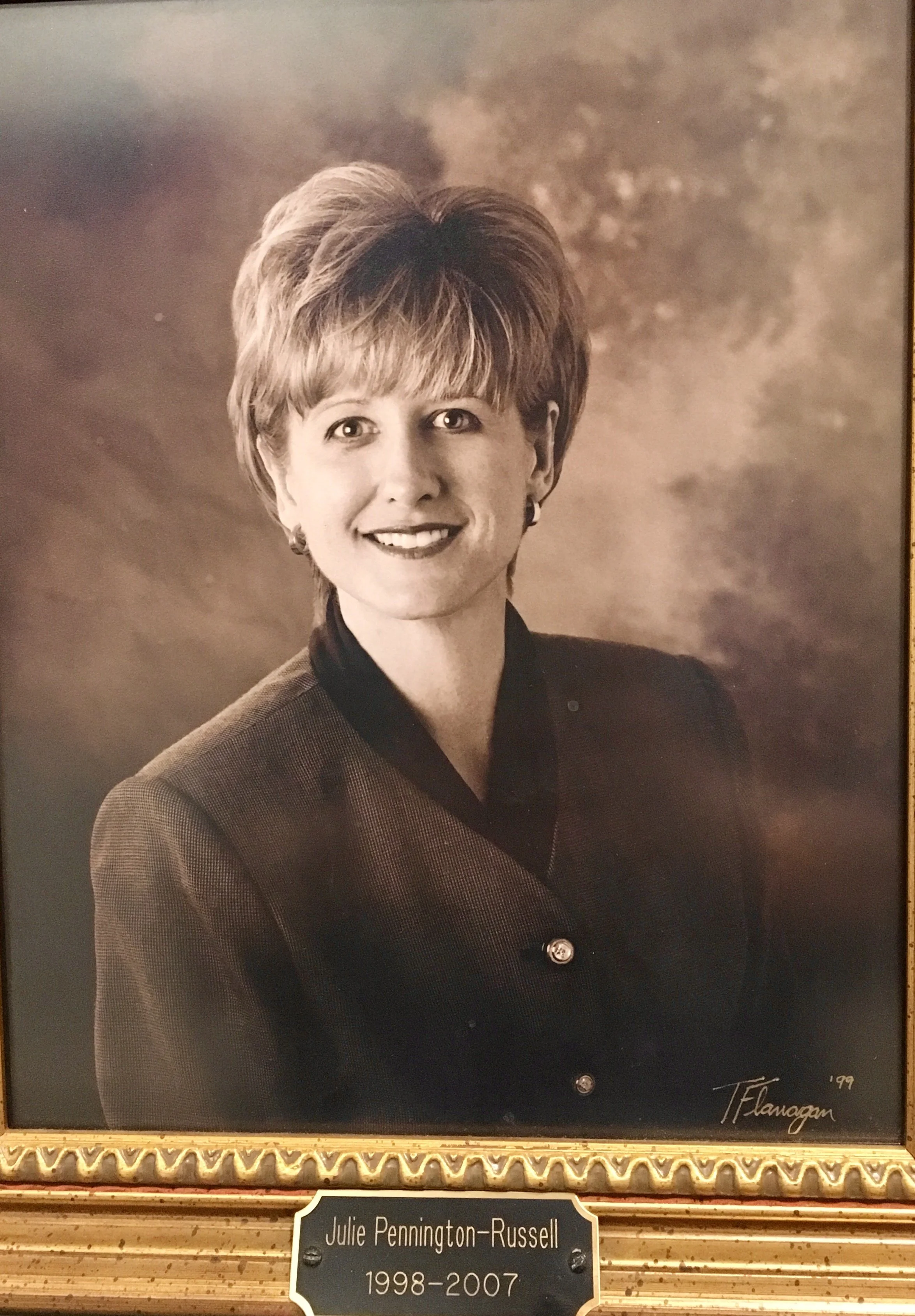
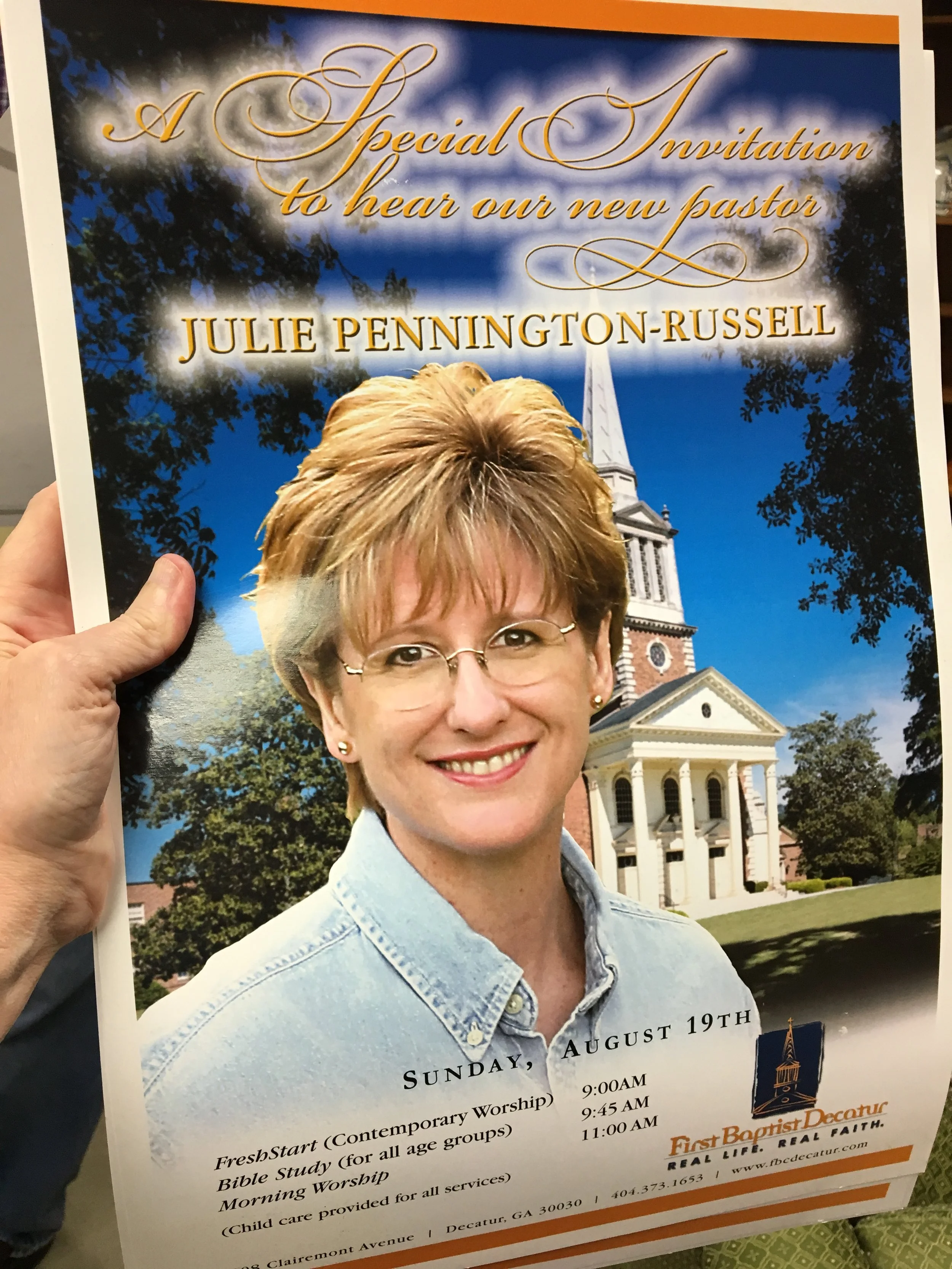
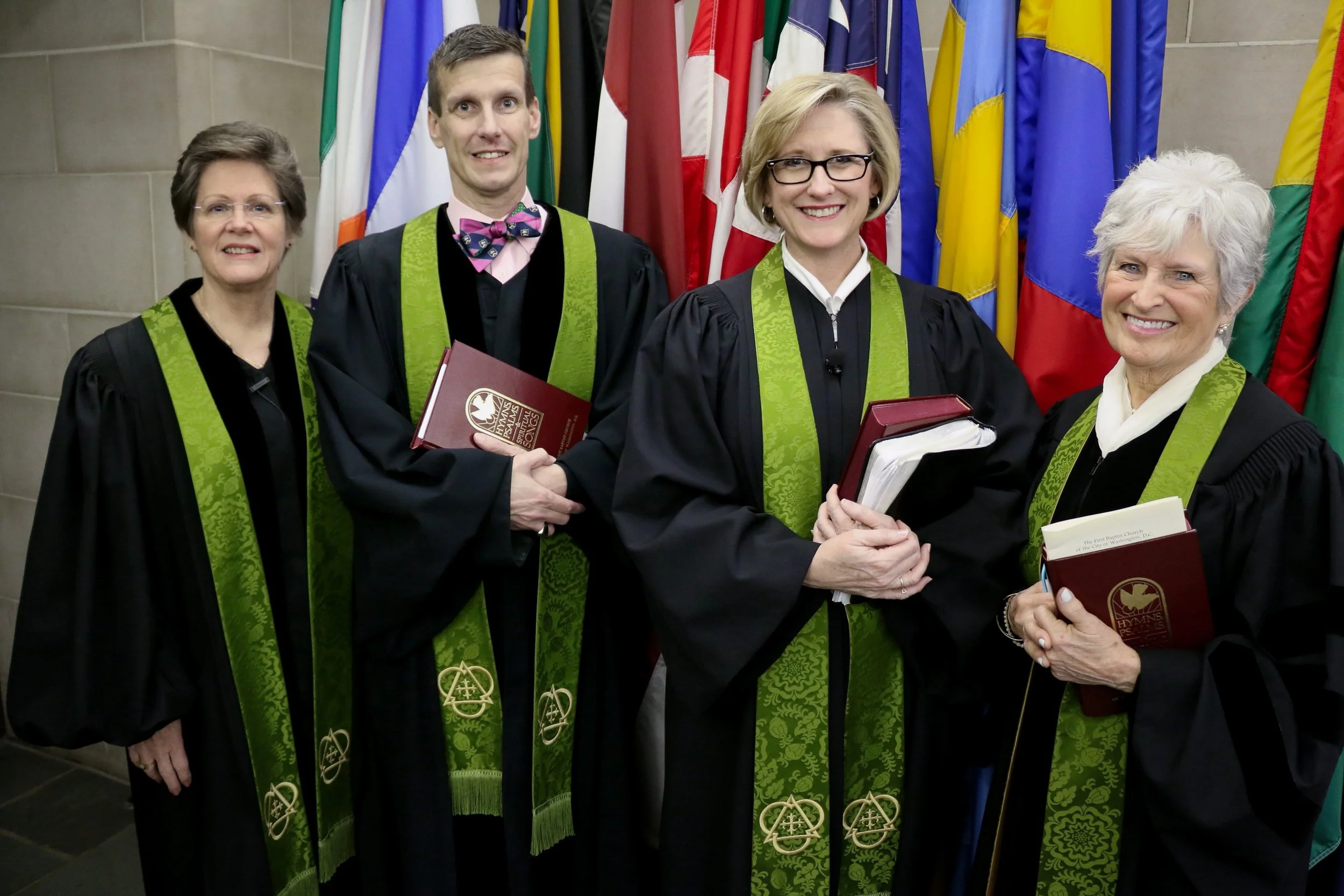
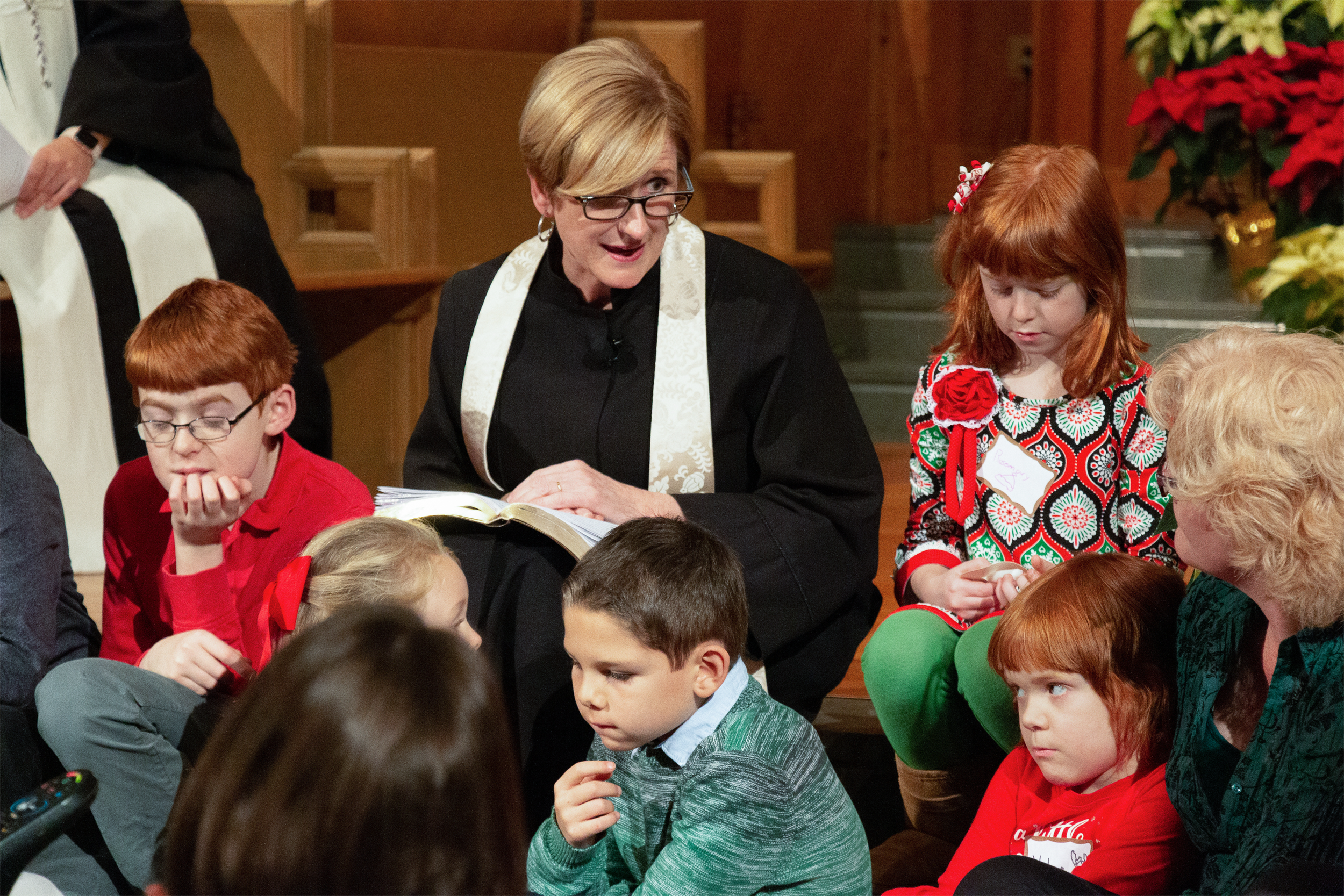
Ordained in 1986, Julie Pennington-Russell began her ministry at Nineteenth Avenue Baptist Church in San Francisco, where she served for thirteen years. In 1998, she was called as pastor of Calvary Baptist Church in Waco, Texas — becoming the first woman to serve as senior pastor of a Baptist congregation in the state. In 2007, she was called to First Baptist Church of Decatur, Georgia, where she served until 2015, before answering the call to The First Baptist Church of the City of Washington in January, 2016.
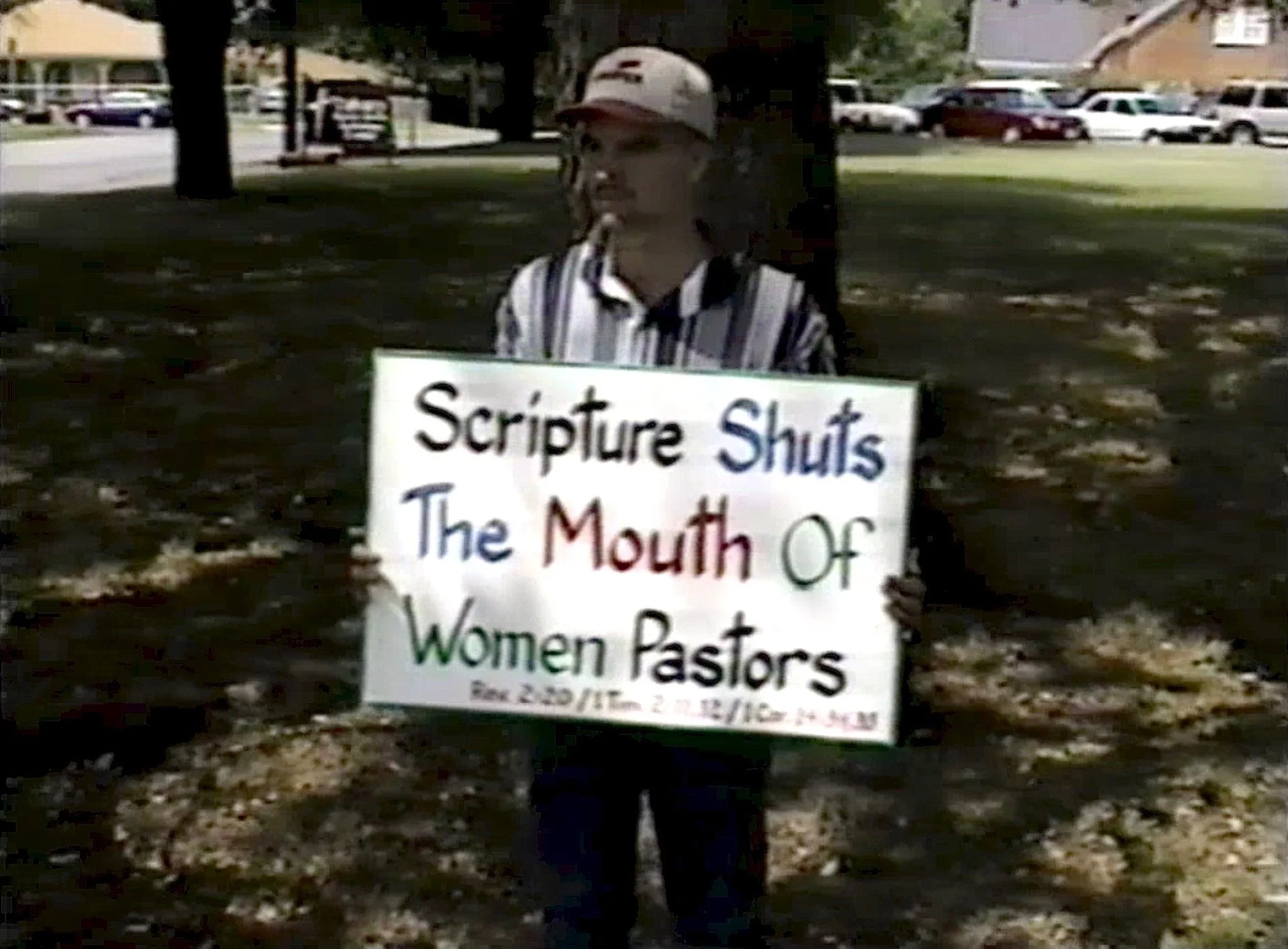
Each of these calls was historic. Each also drew opposition. She accepted both as part of the same vocation, never letting either determine what faithfulness required.
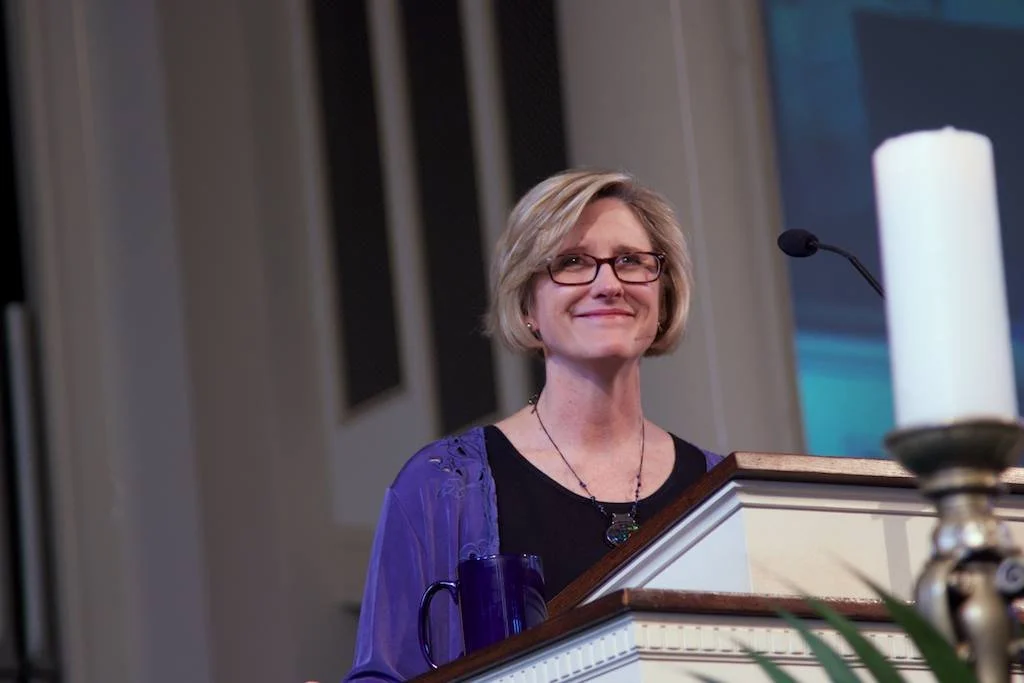
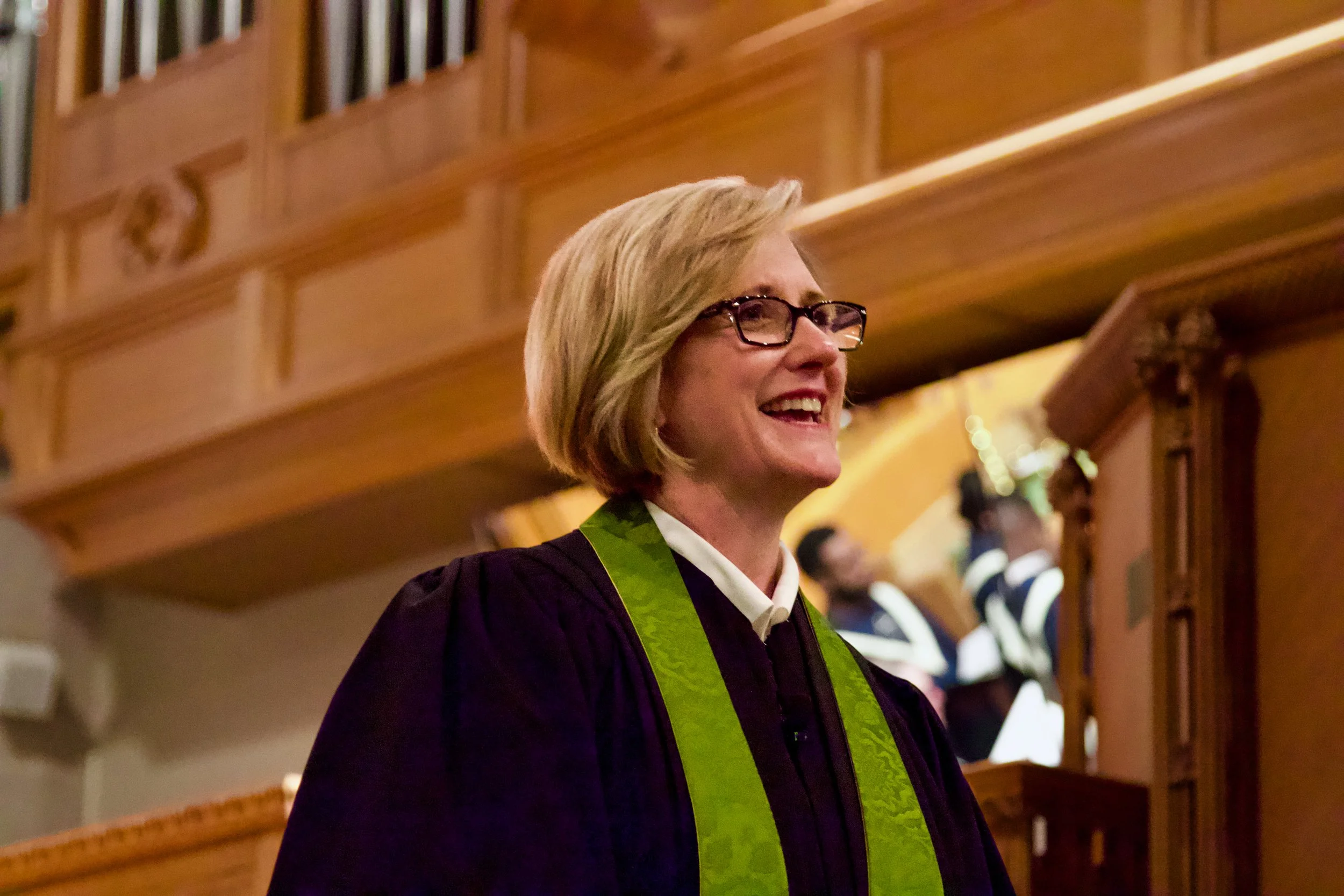
By the time she arrived in Washington, the path was more worn. What had once required courage to simply name was a given in this city and congregation. A woman could stand in the pulpit, open scripture, and lead God’s people. She had helped build that freedom for herself, and she had widened the path for every woman who would follow.
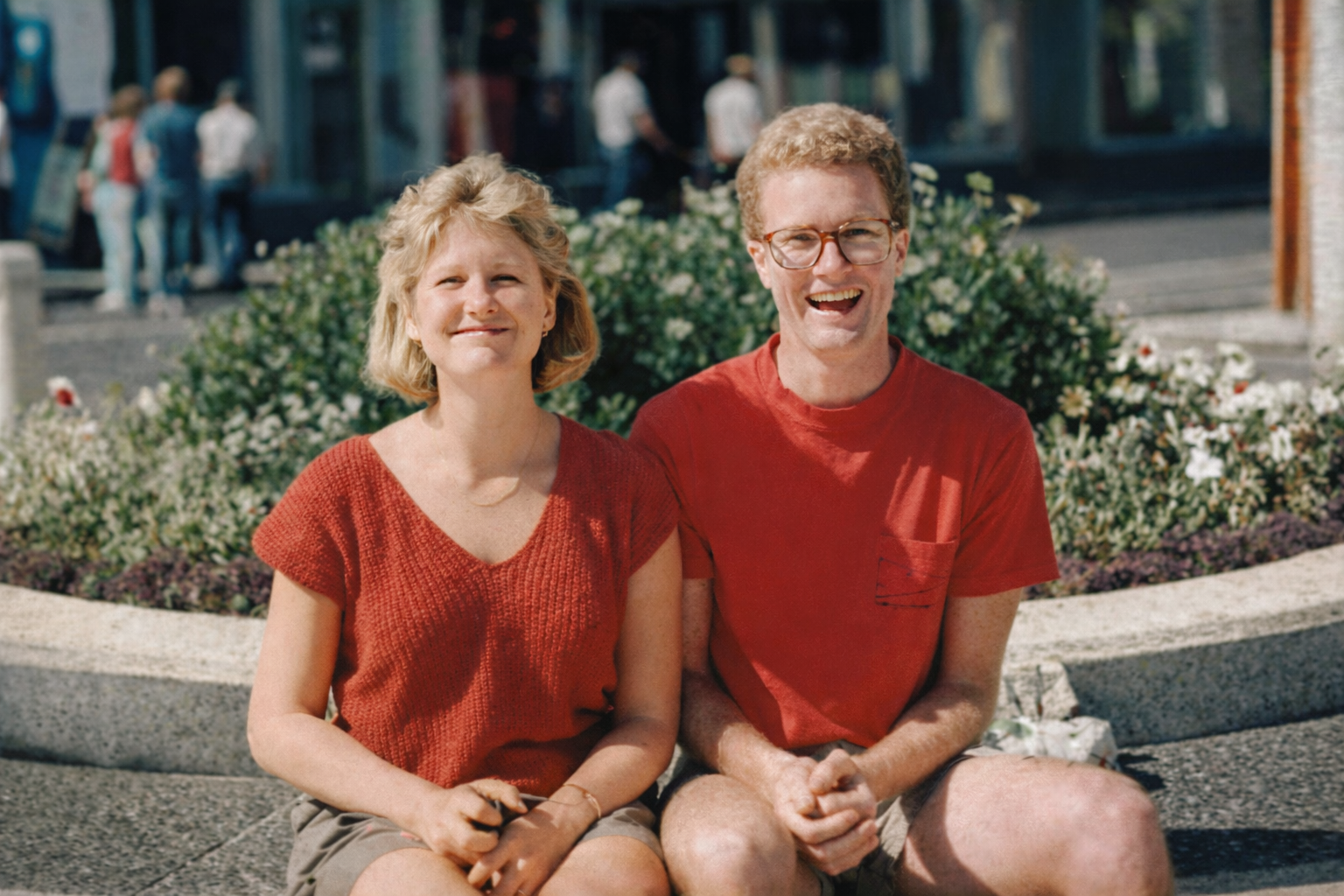
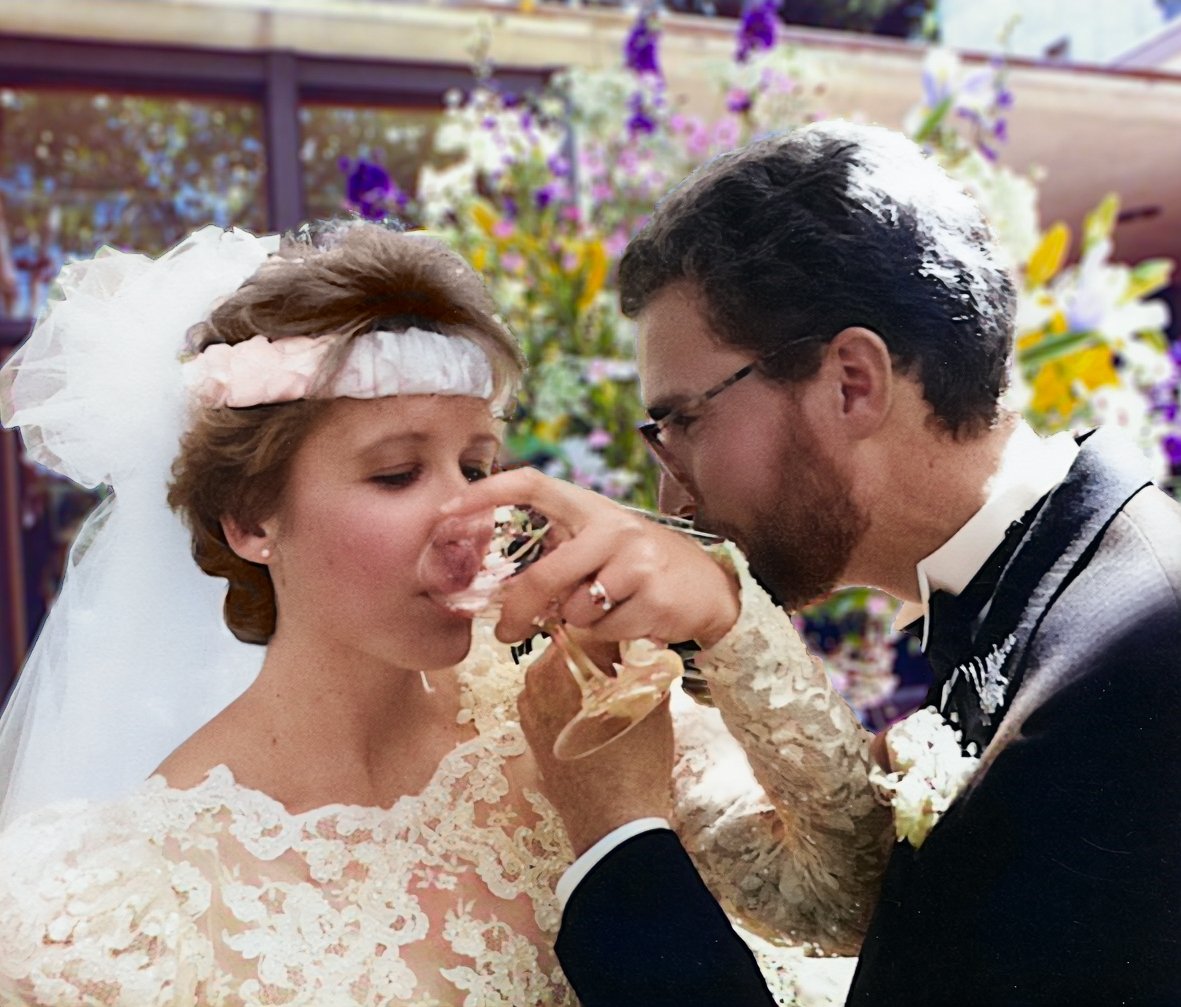
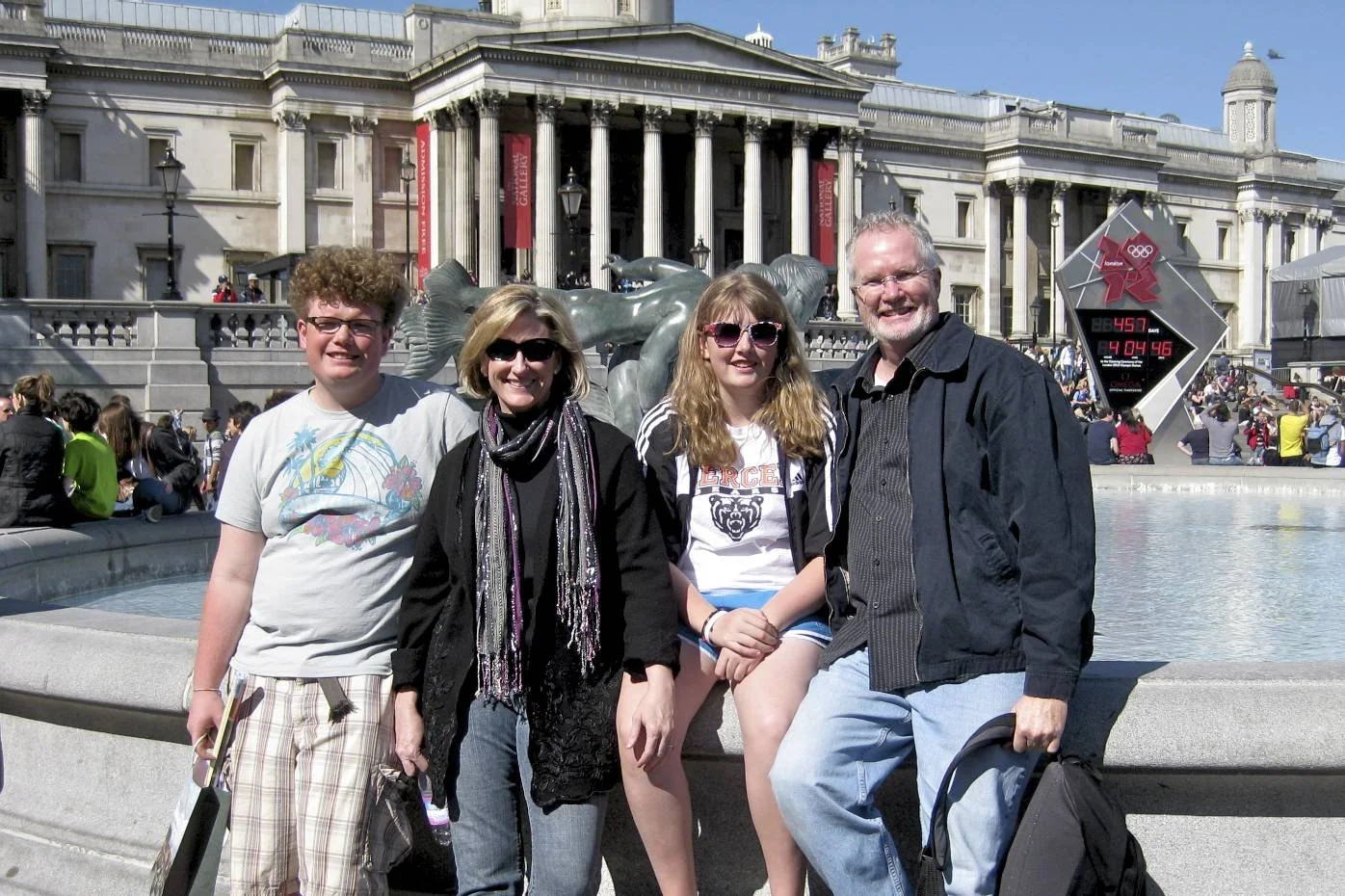
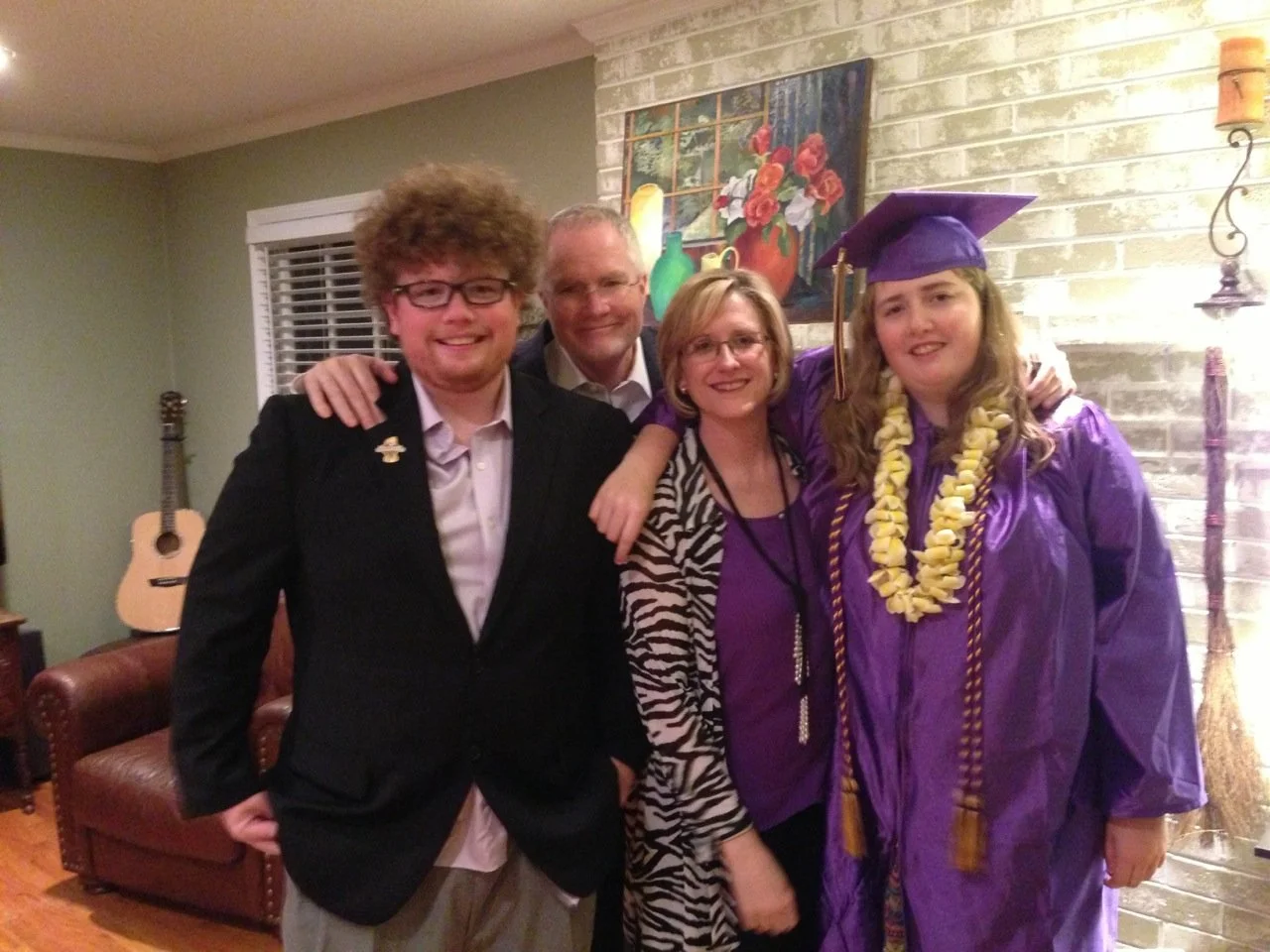
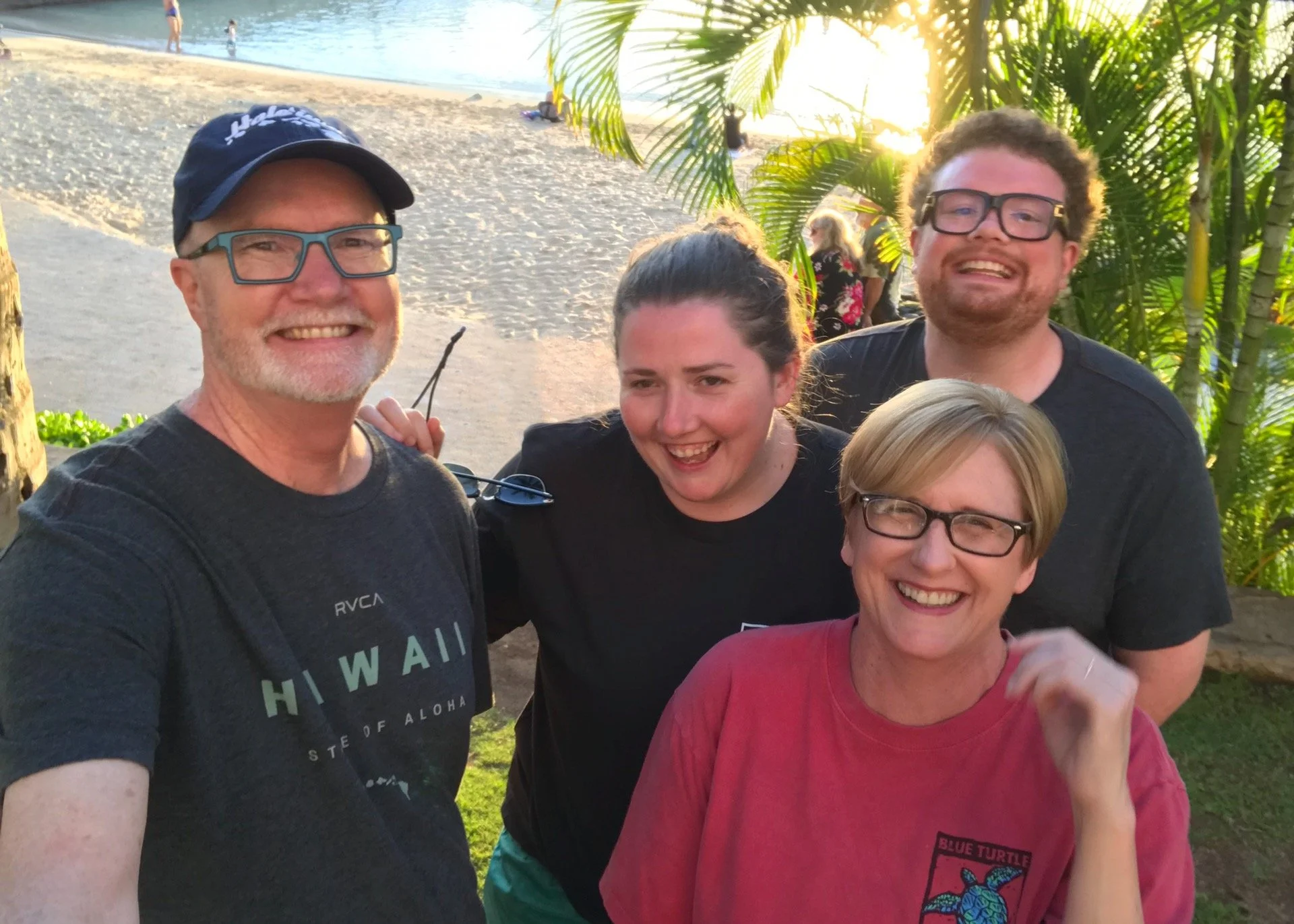
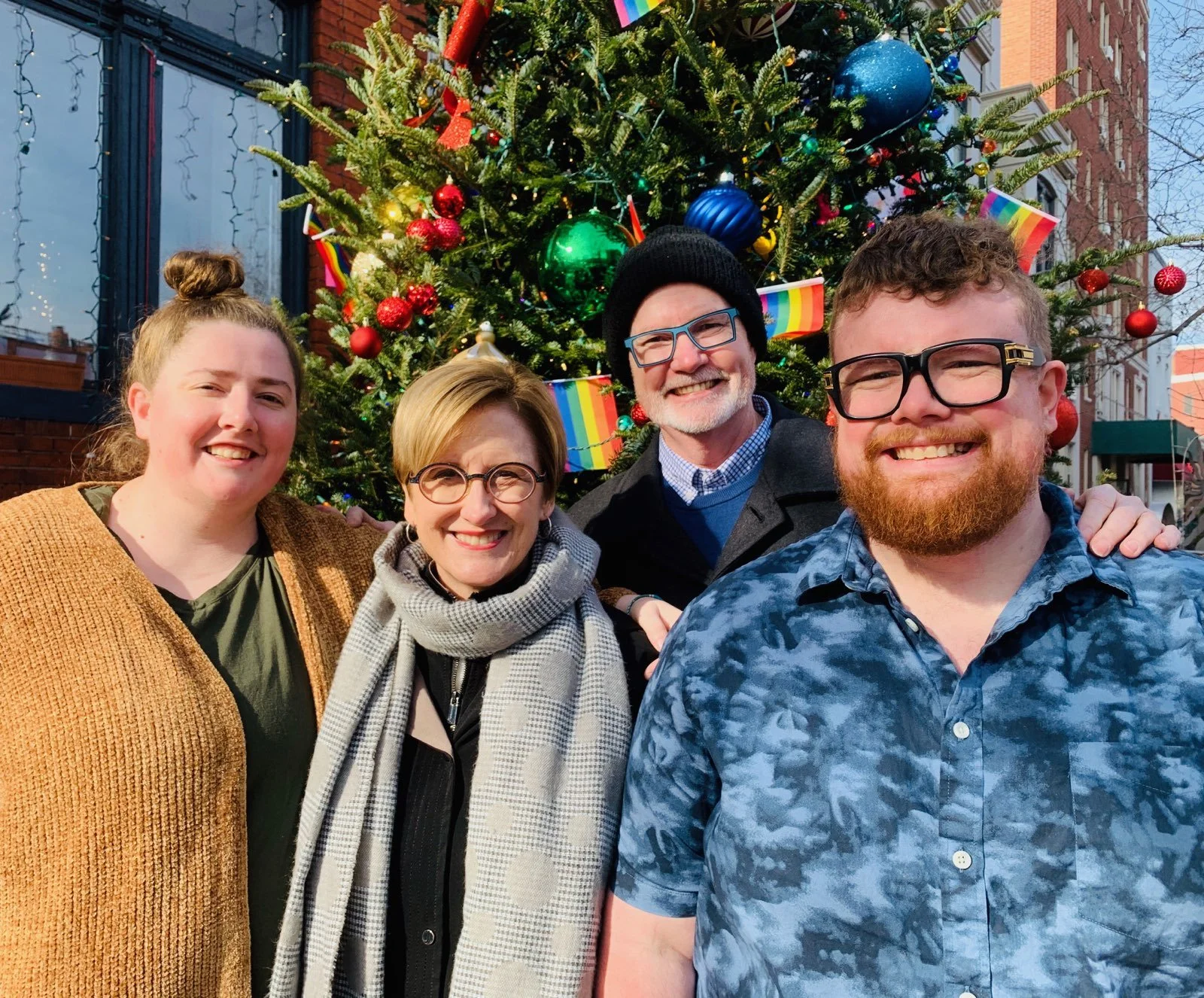
Through these decades of ministry, Julie and her husband Tim built a life and family with Taylor and Lucy — and like all ministry families, Taylor and Lucy learned something about what it gives, and what it costs, to share your parent with a congregation.
Along the way, the P-Rs have shared their home with a succession of beloved dogs. Most recently, this has been Charlie, a Great Dane who has been known to add her own voice to Sunday worship and make unscheduled cameo appearances on Zoom — a reminder that in this family, no one stays on mute for long.
TEN YEARS AT FBCDC
How These Ten Years Have Shaped Us
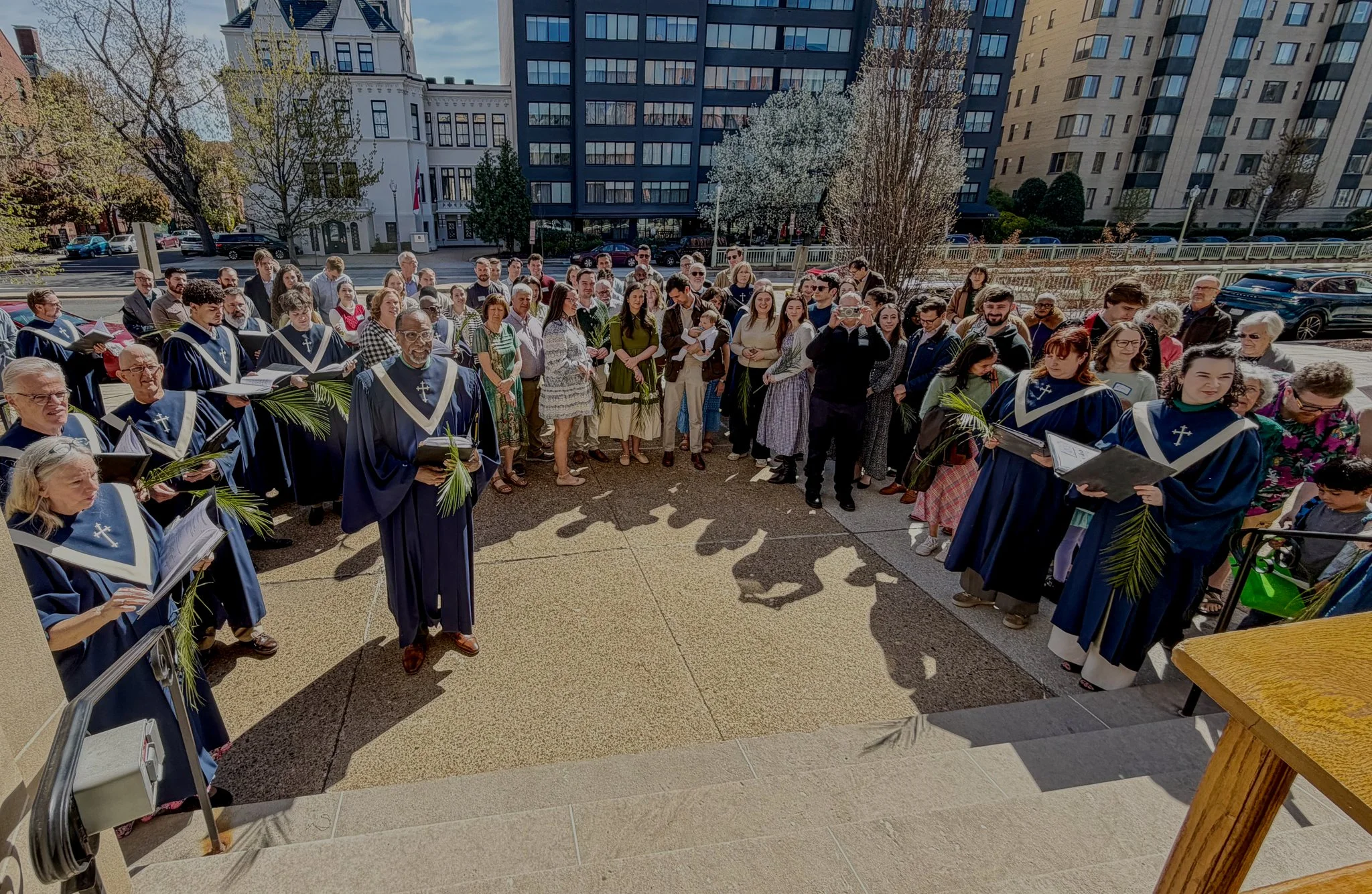
When Pastor Julie arrived in January 2016, she brought with her not a program, but a presence. What she has given to our congregation cannot be captured in a list, yet the fruit of her faithfulness is visible everywhere we look.
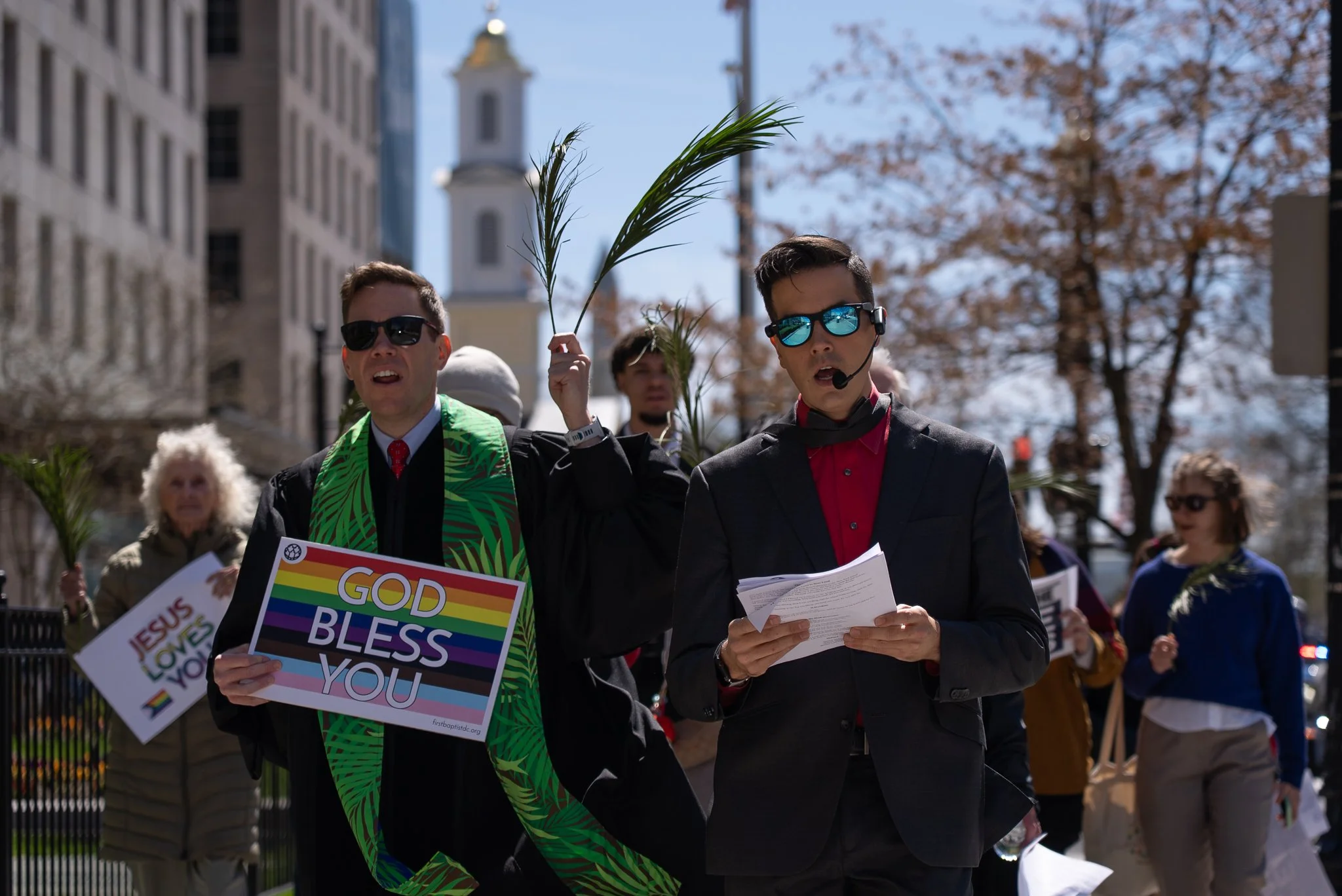
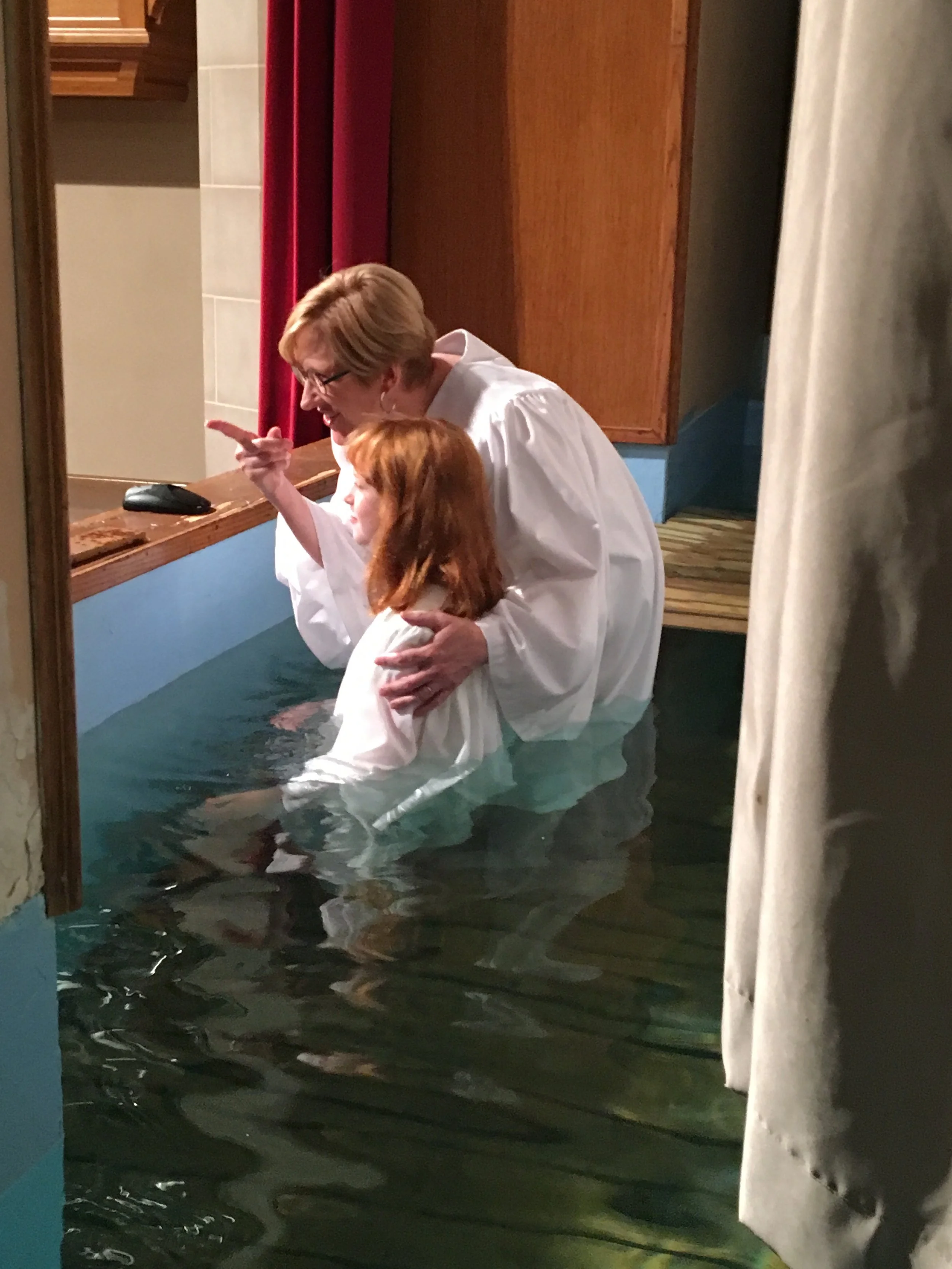
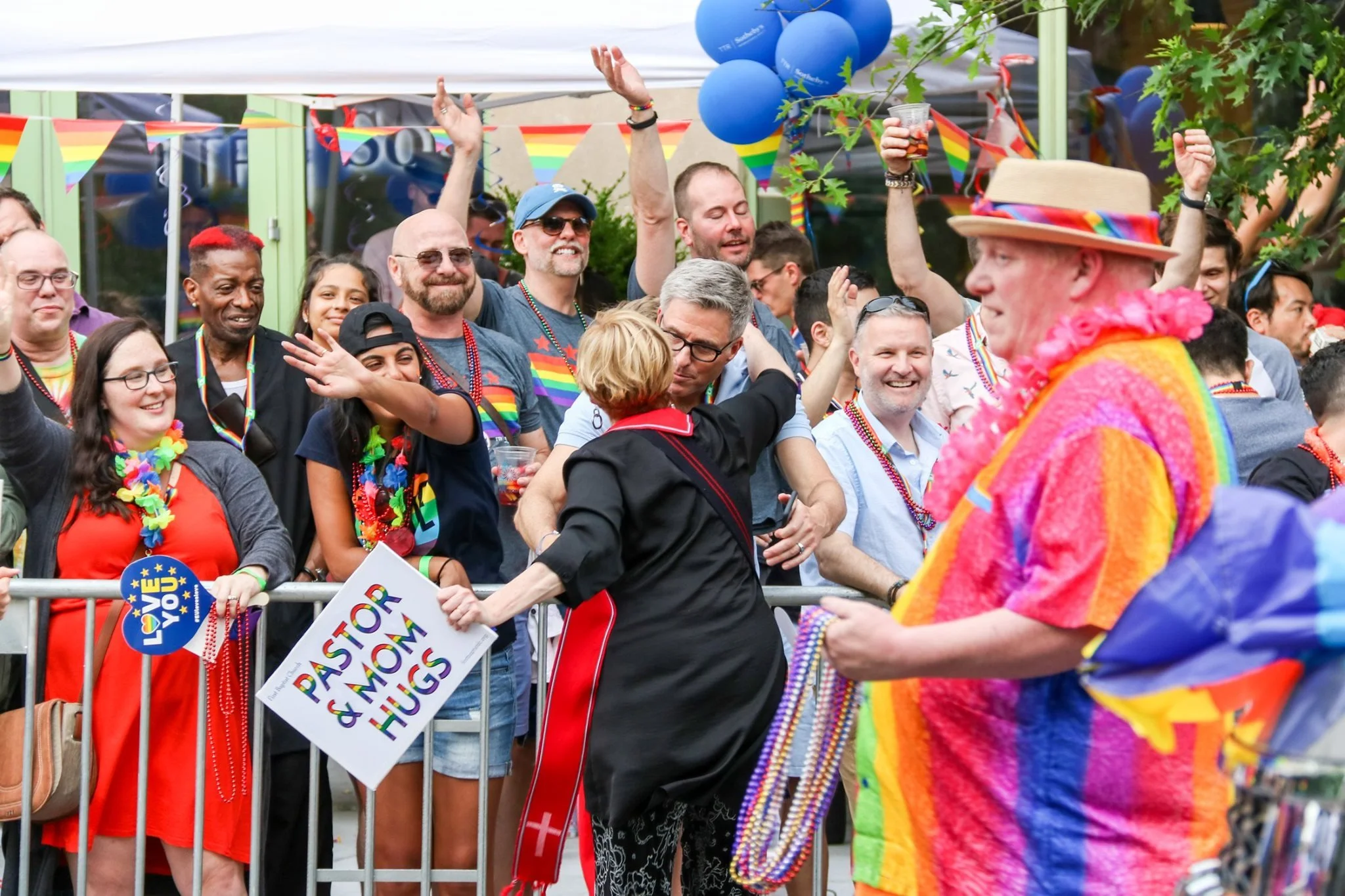
We voted to become an explicitly welcoming and affirming community, living into our baptismal conviction that all people are beloved children of God.
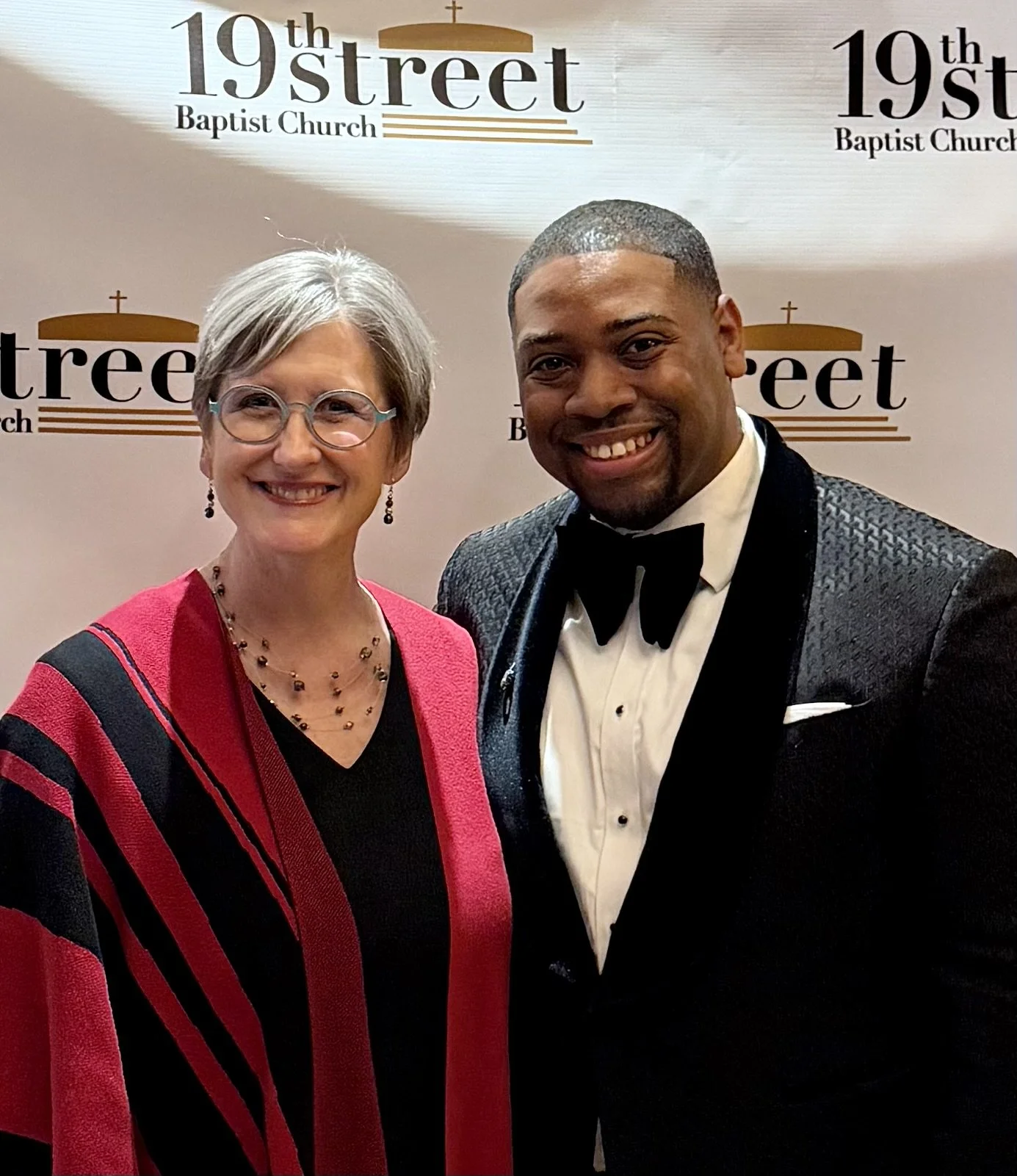
We deepened our partnership with Nineteenth Street Baptist Church, leaning into truth-telling and earnest seeking of forgiveness from our Black siblings rooted in honesty about our past, friendship, and the long work of mutual understanding.
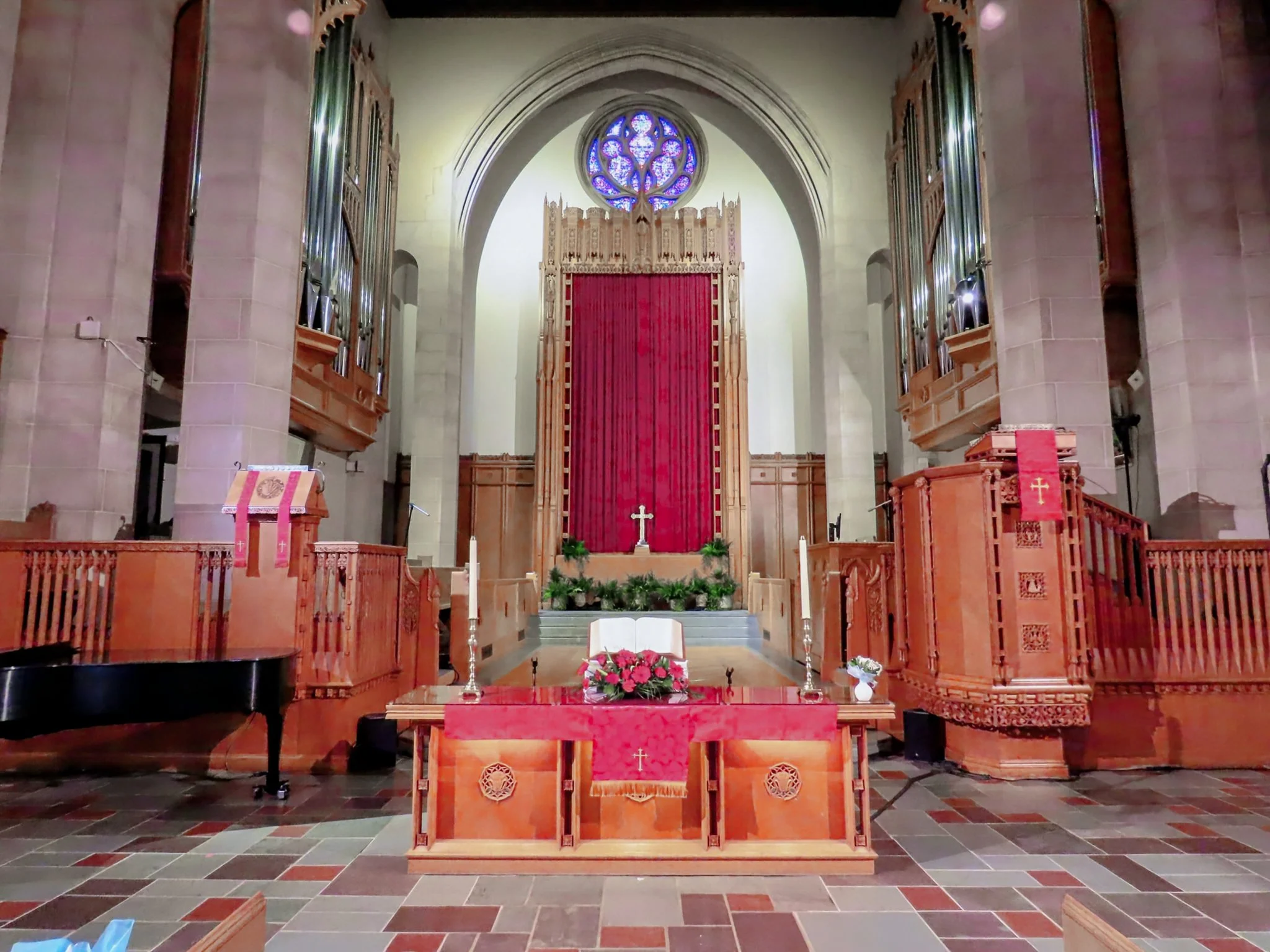
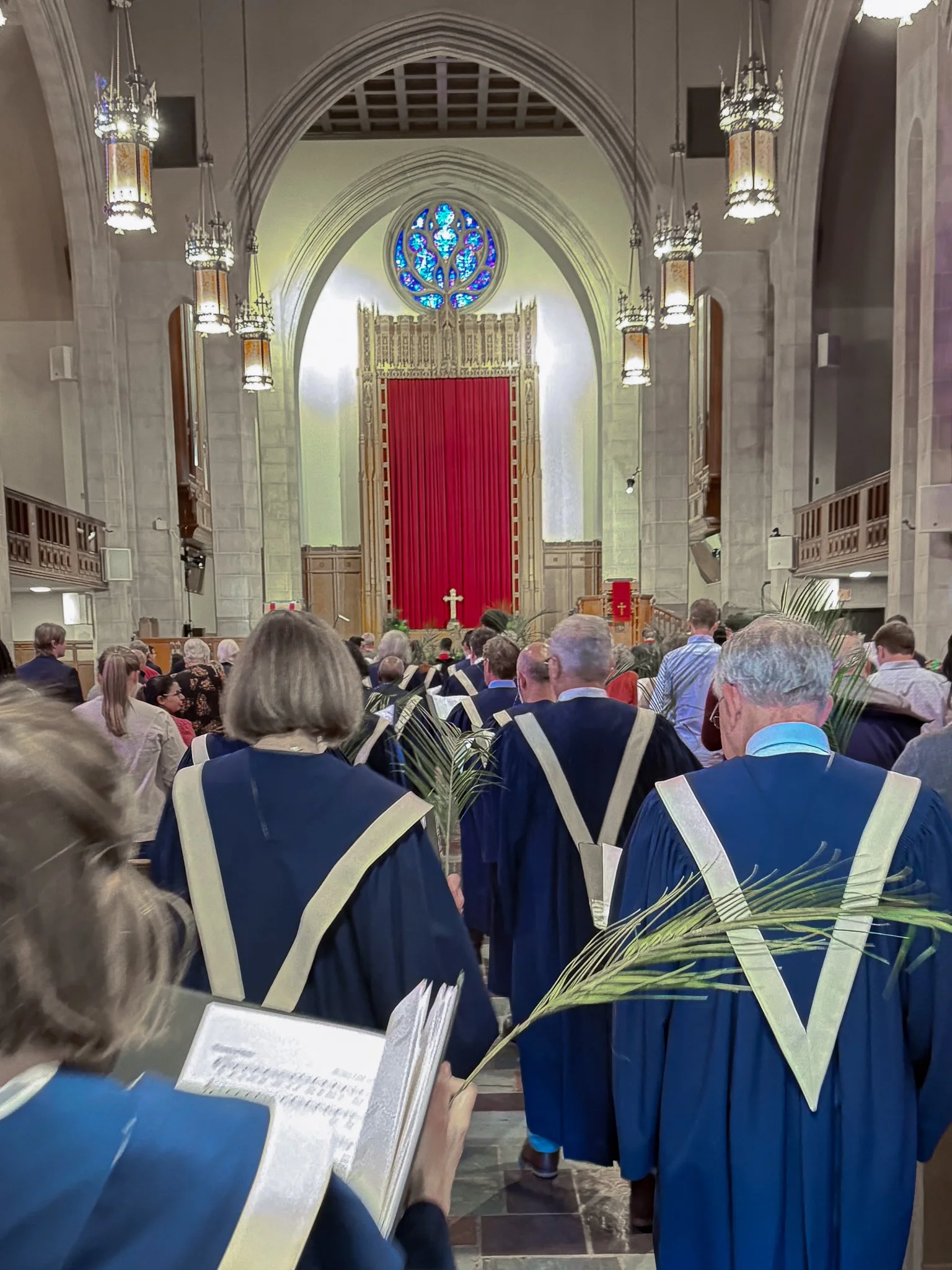
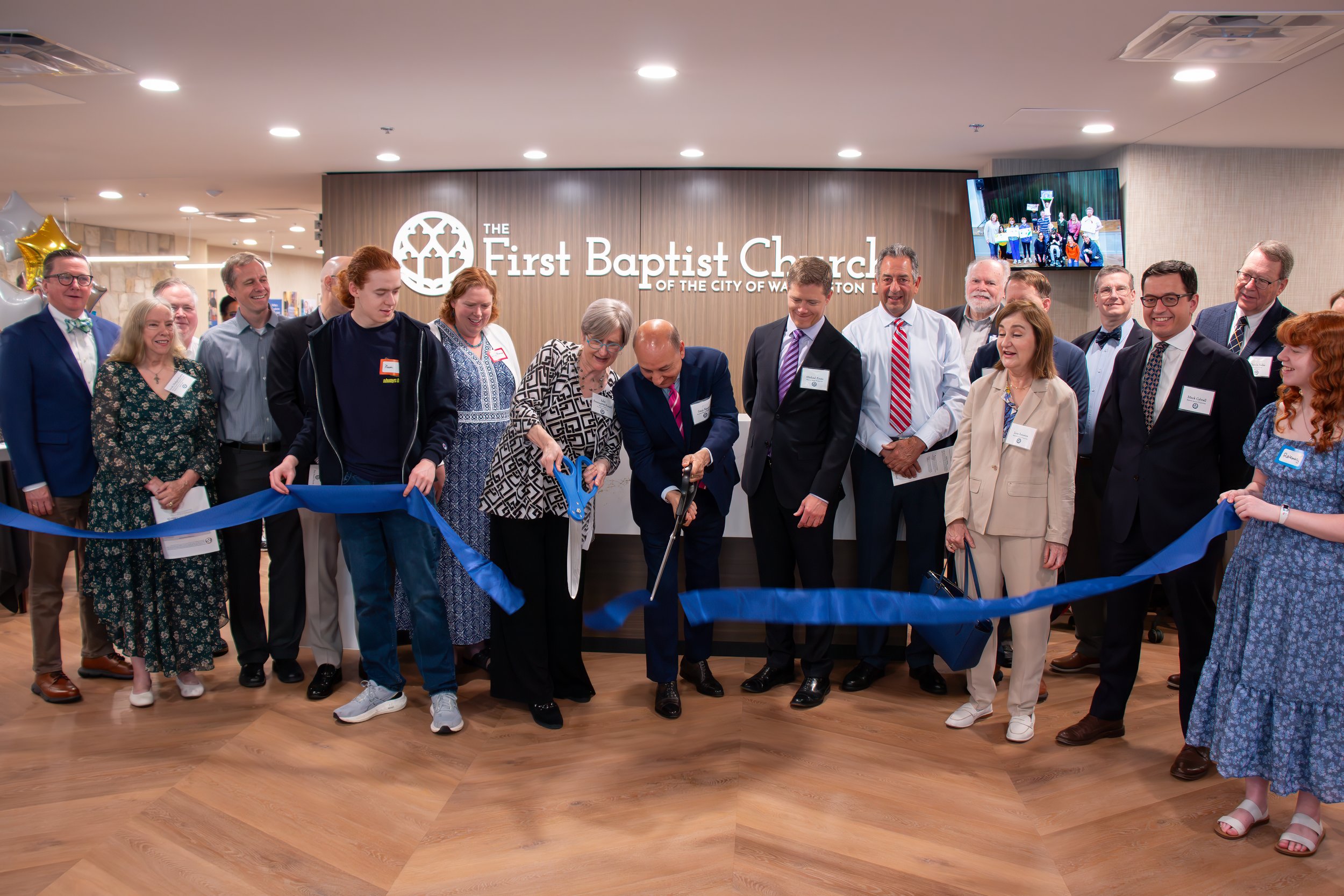
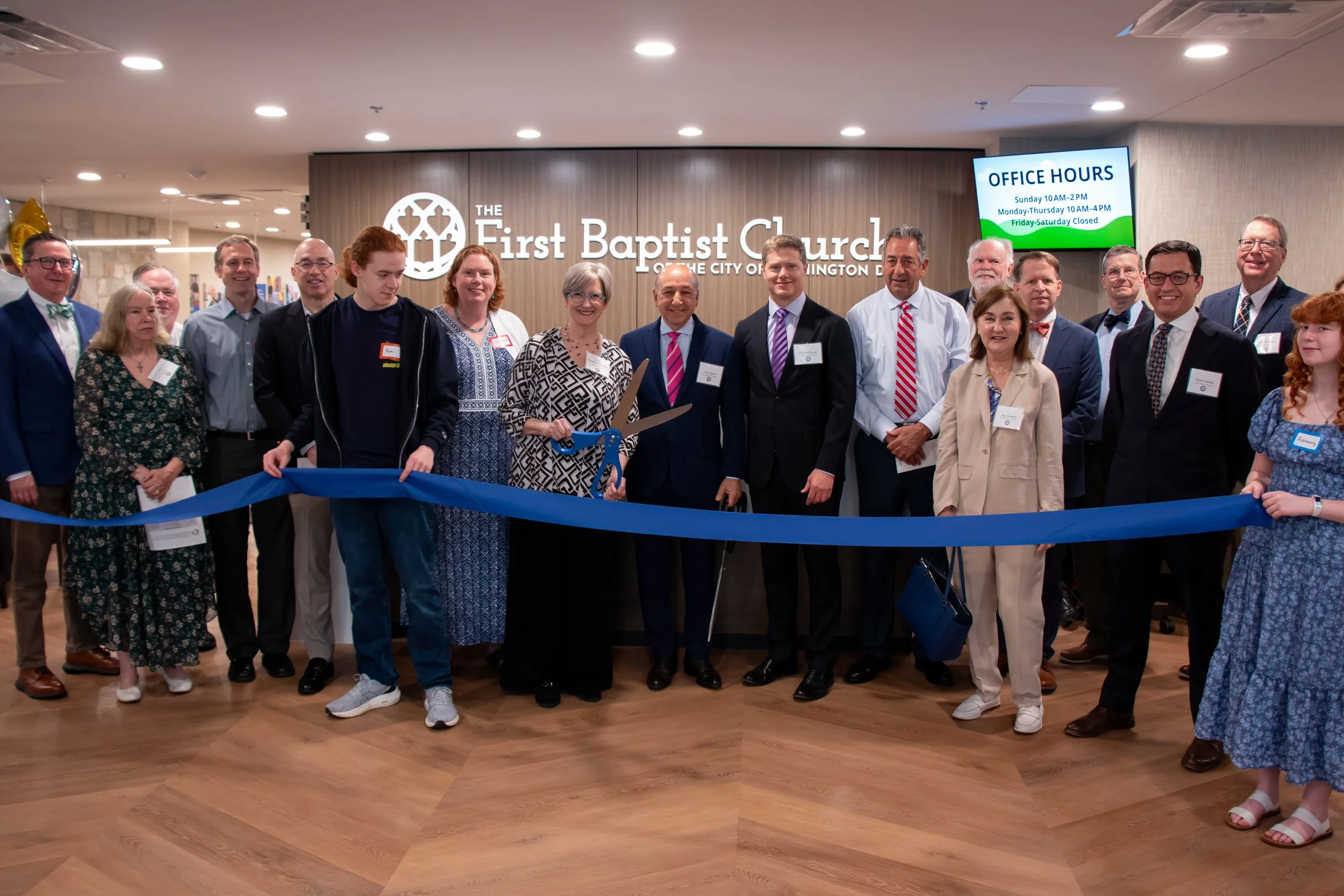
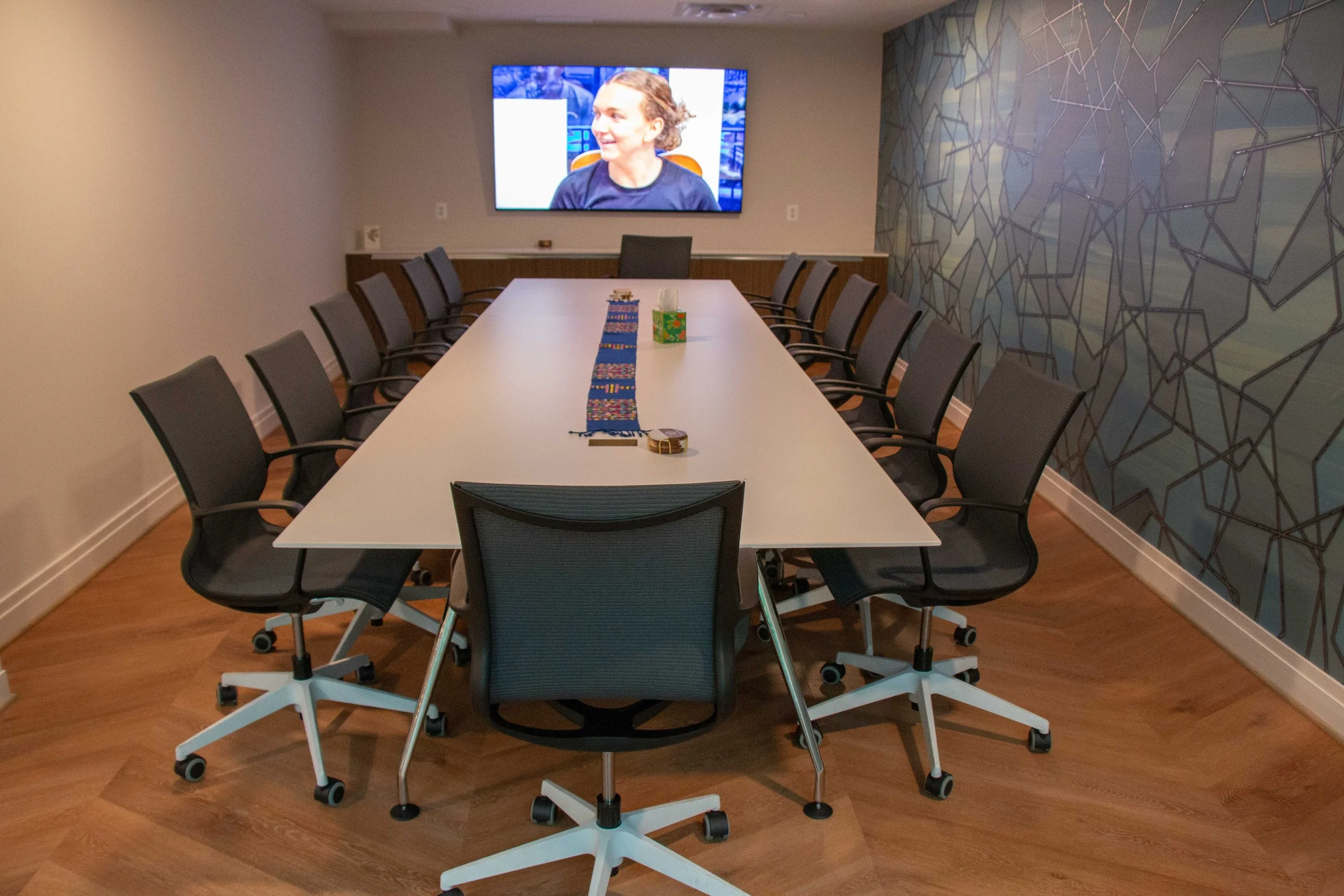
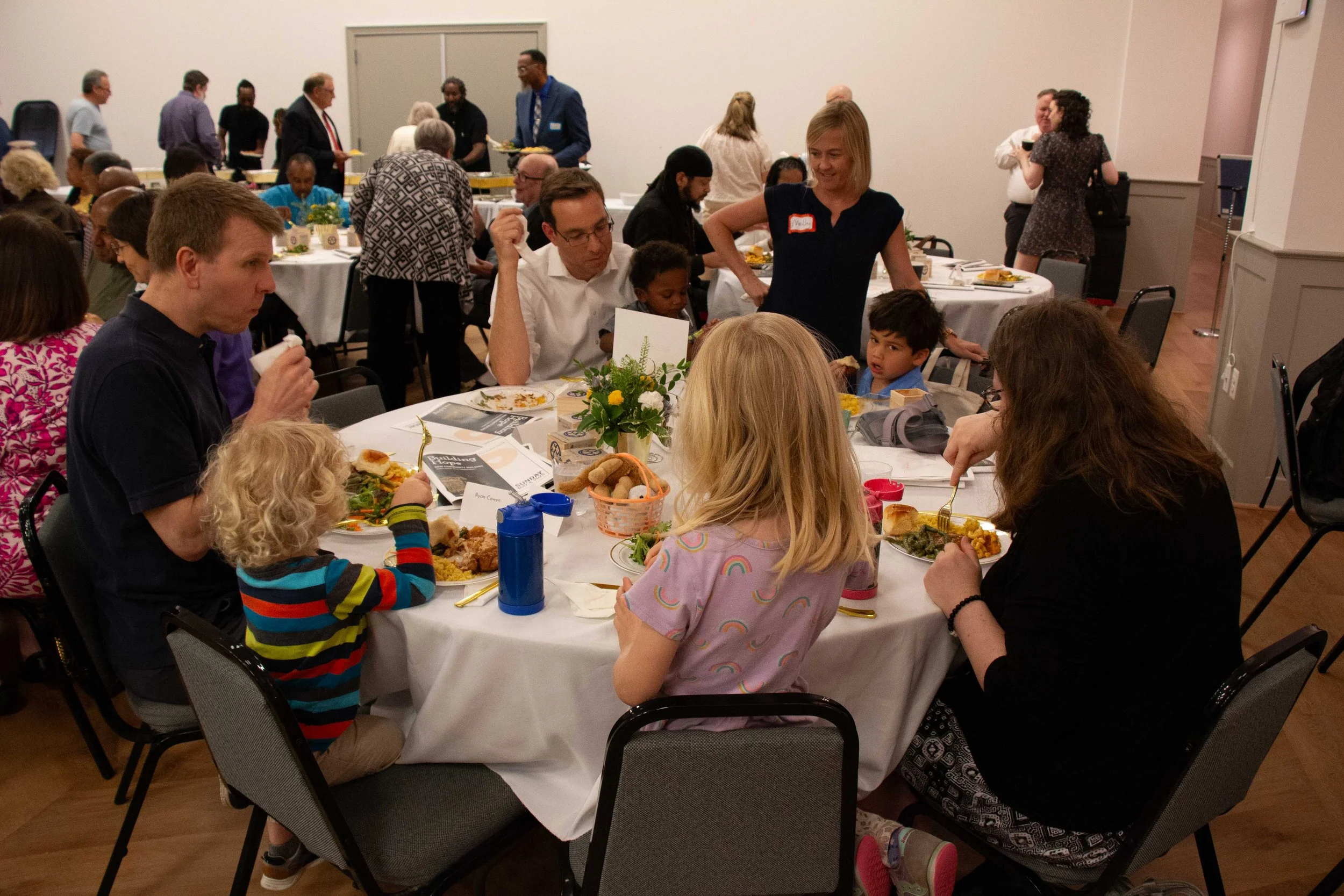
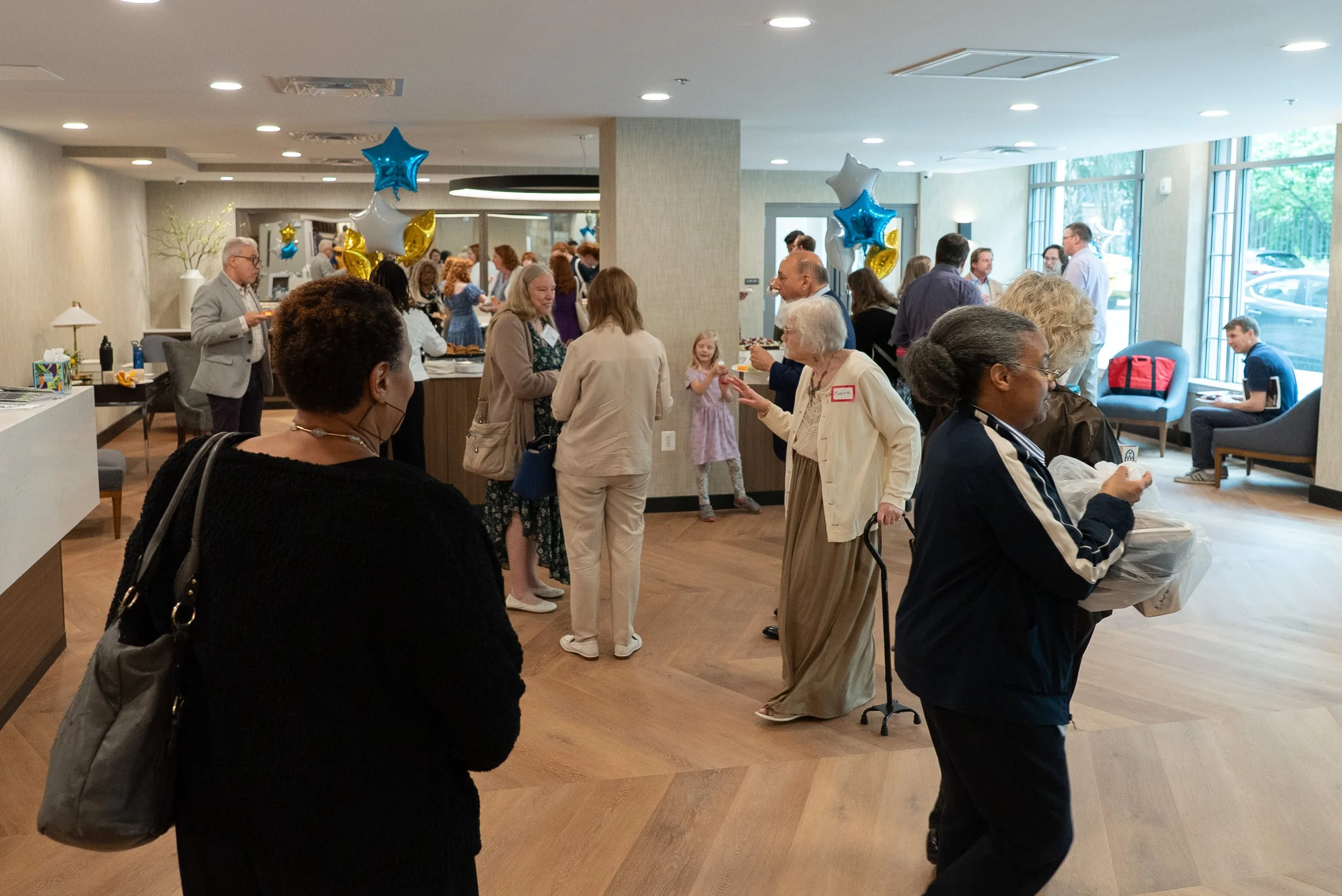
We completed a comprehensive building reboot. In 2022 we completed a sanctuary renovation, and in 2025, we opened and dedicated our new community building. This space is now buzzing with spiritual formation gatherings on Sundays and community groups from across our city and nation throughout the week.
We engaged in an 18-month strategic planning process with Ministry Architects, reimagining our mission, vision, and governance to position ourselves for faithful witness in a changing world.
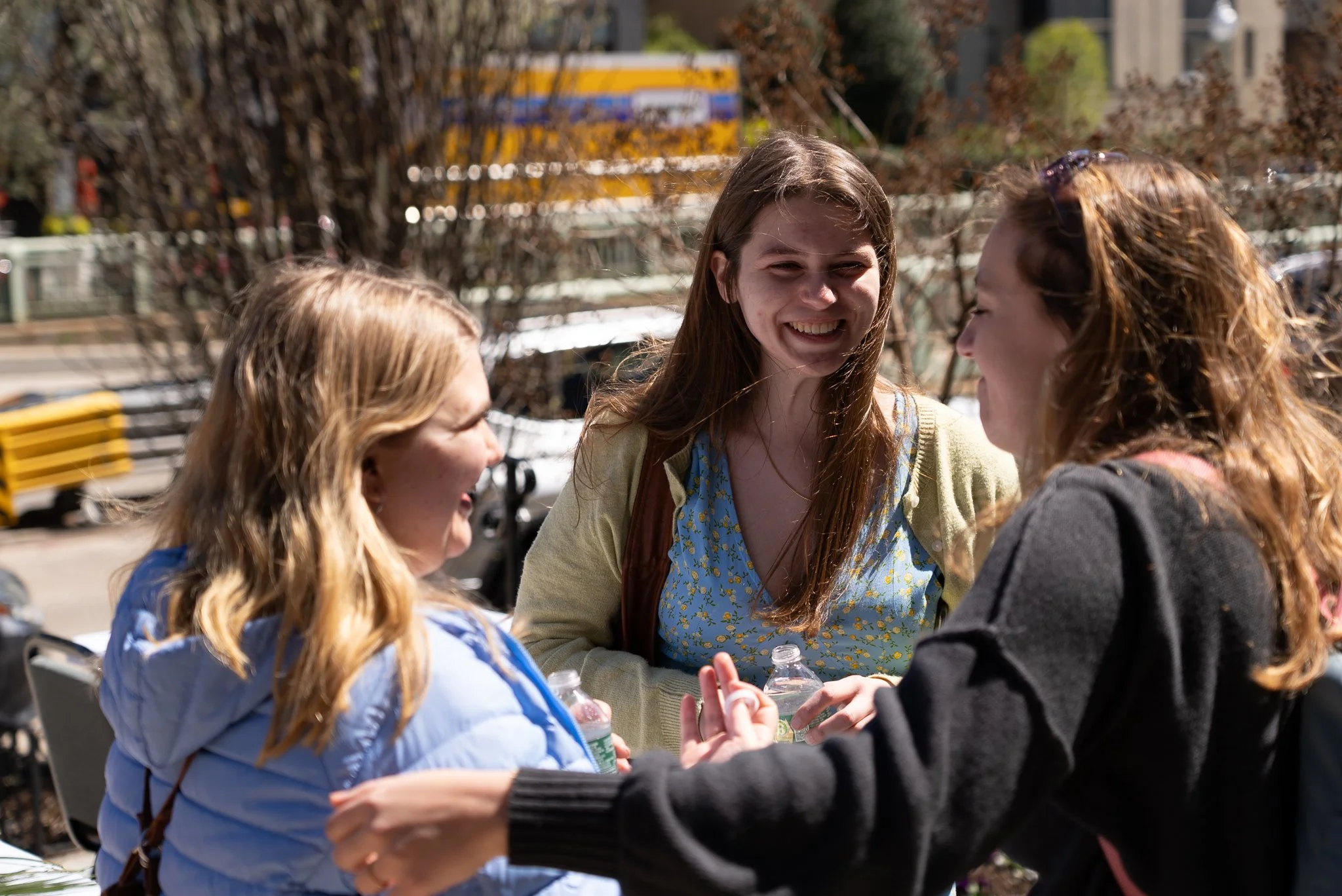
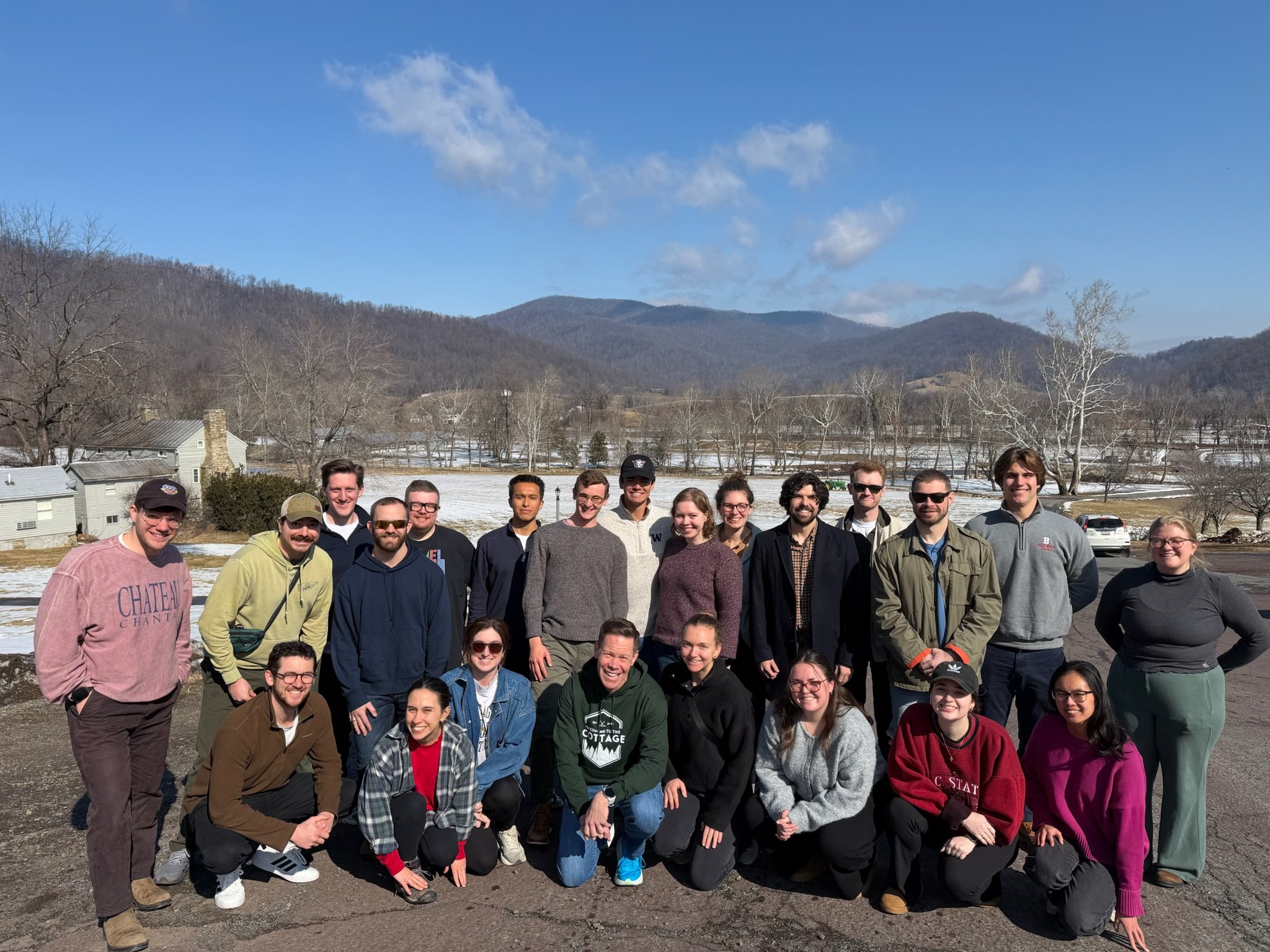
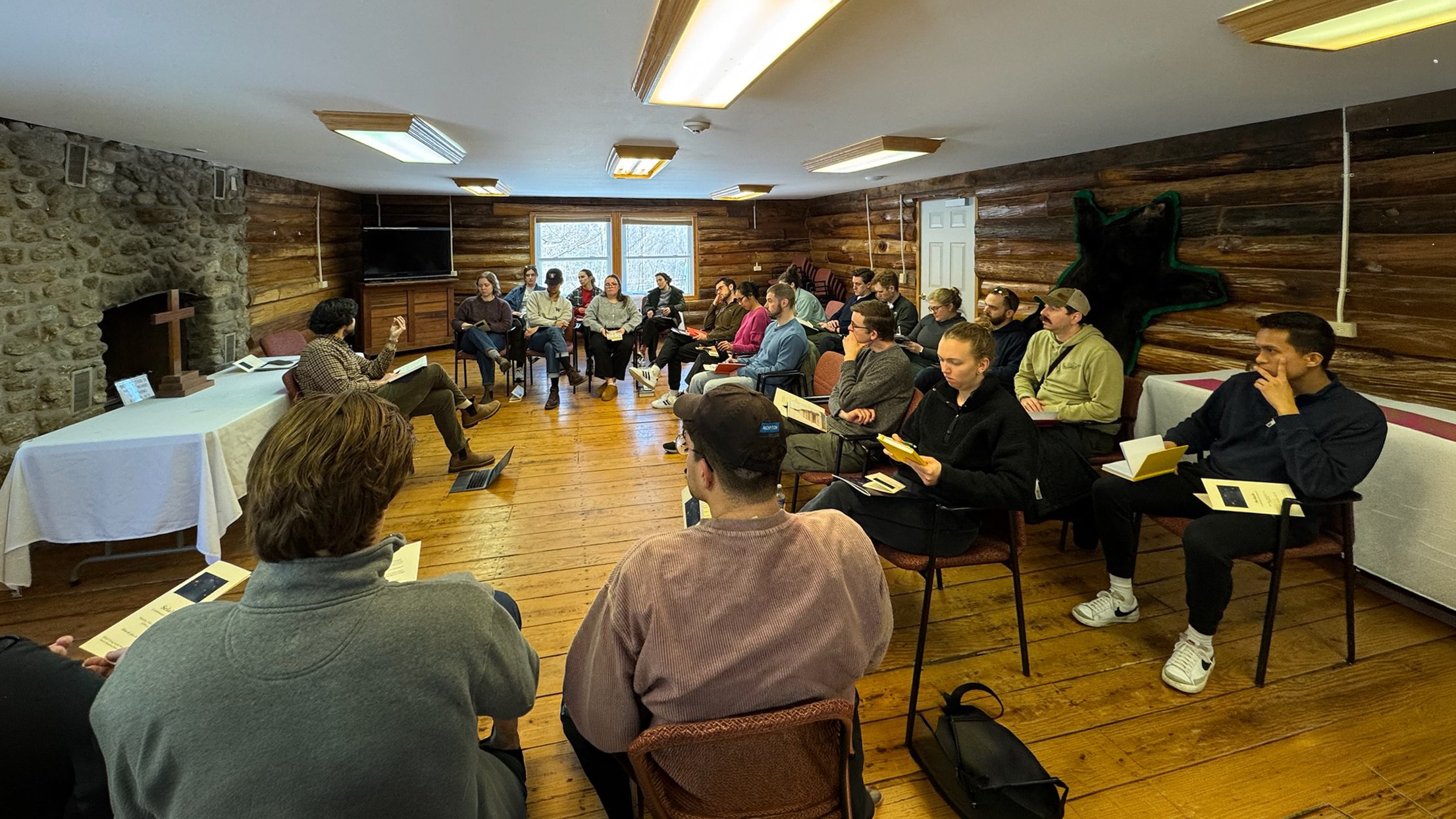
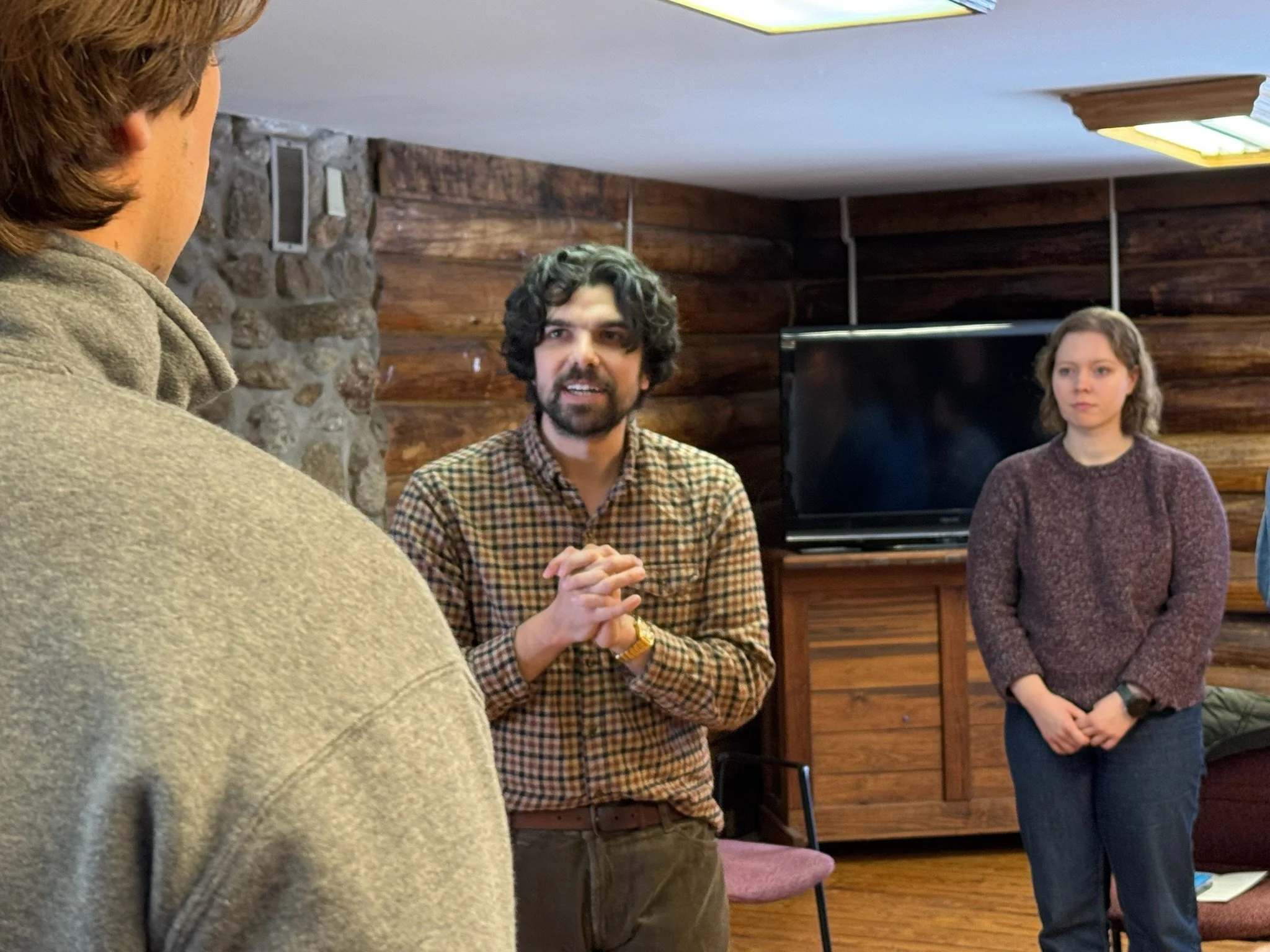
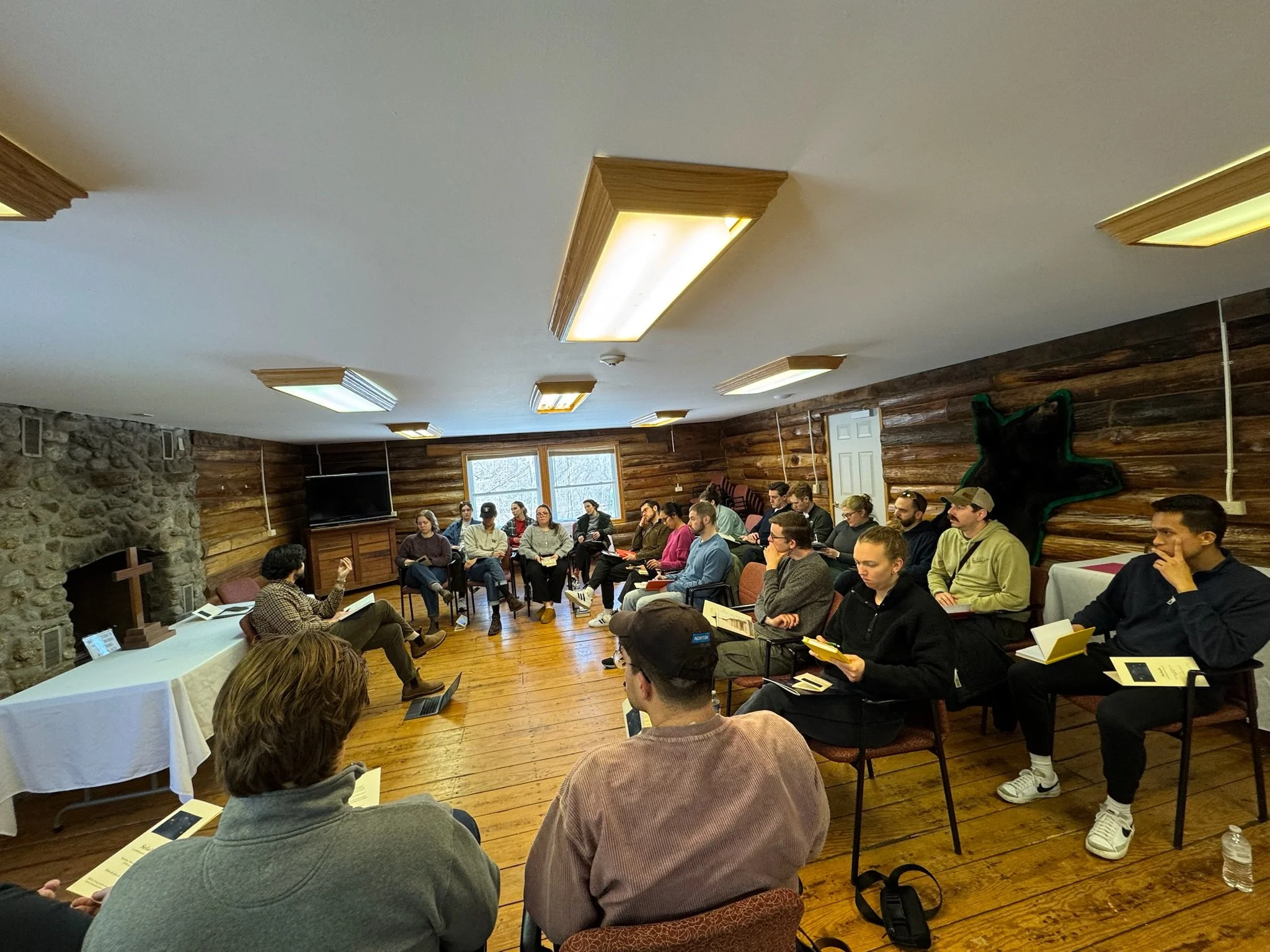
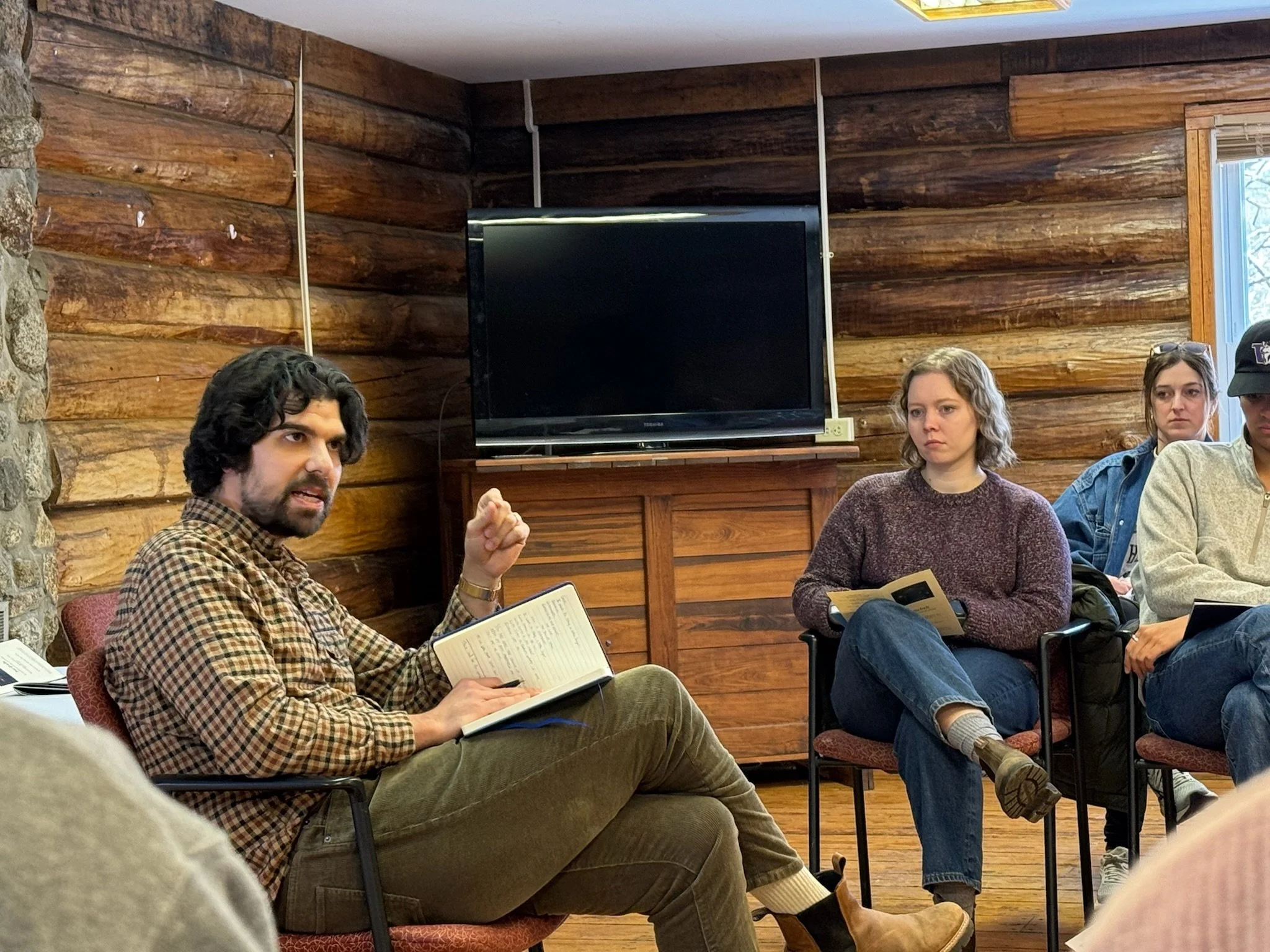
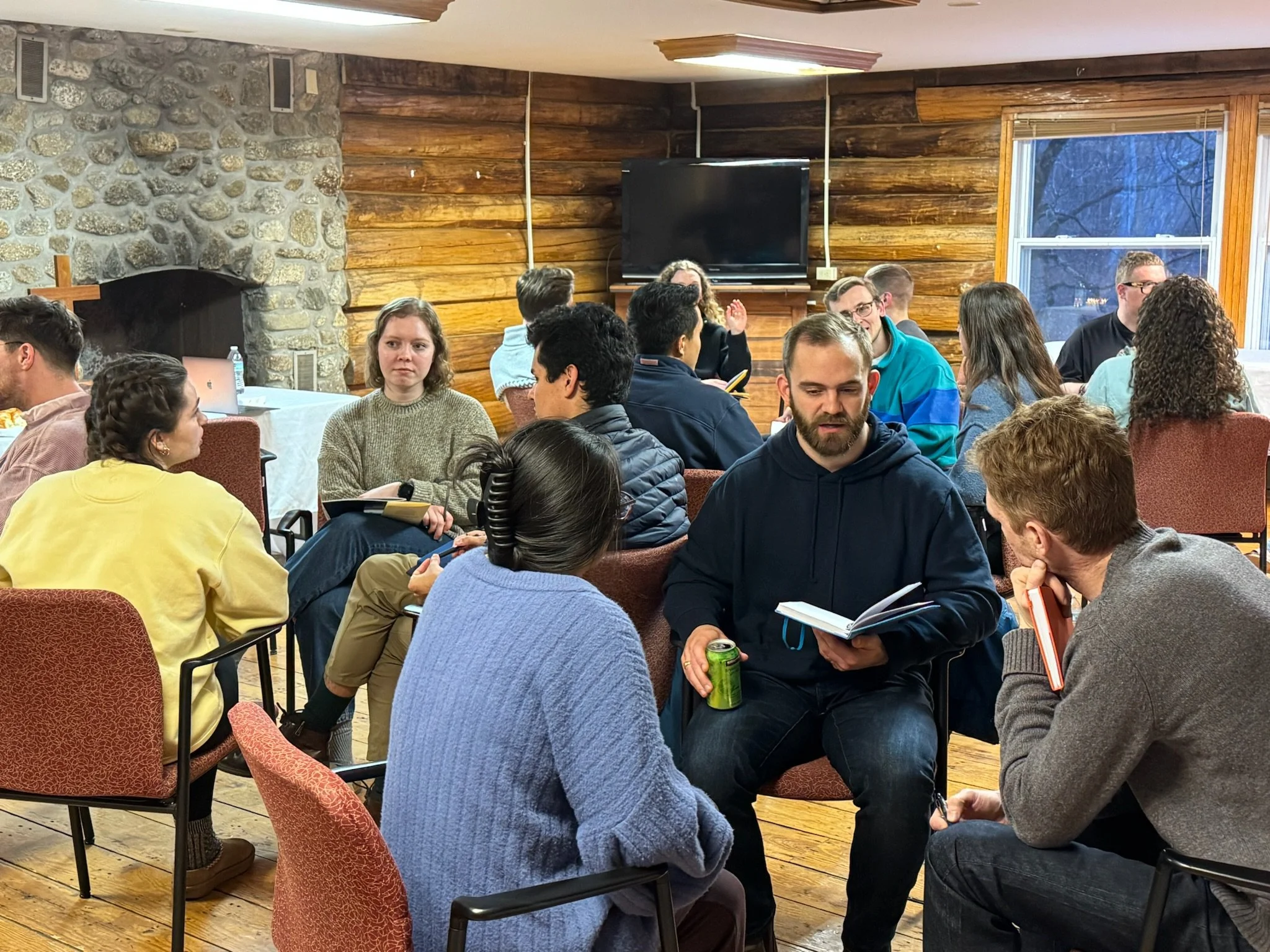
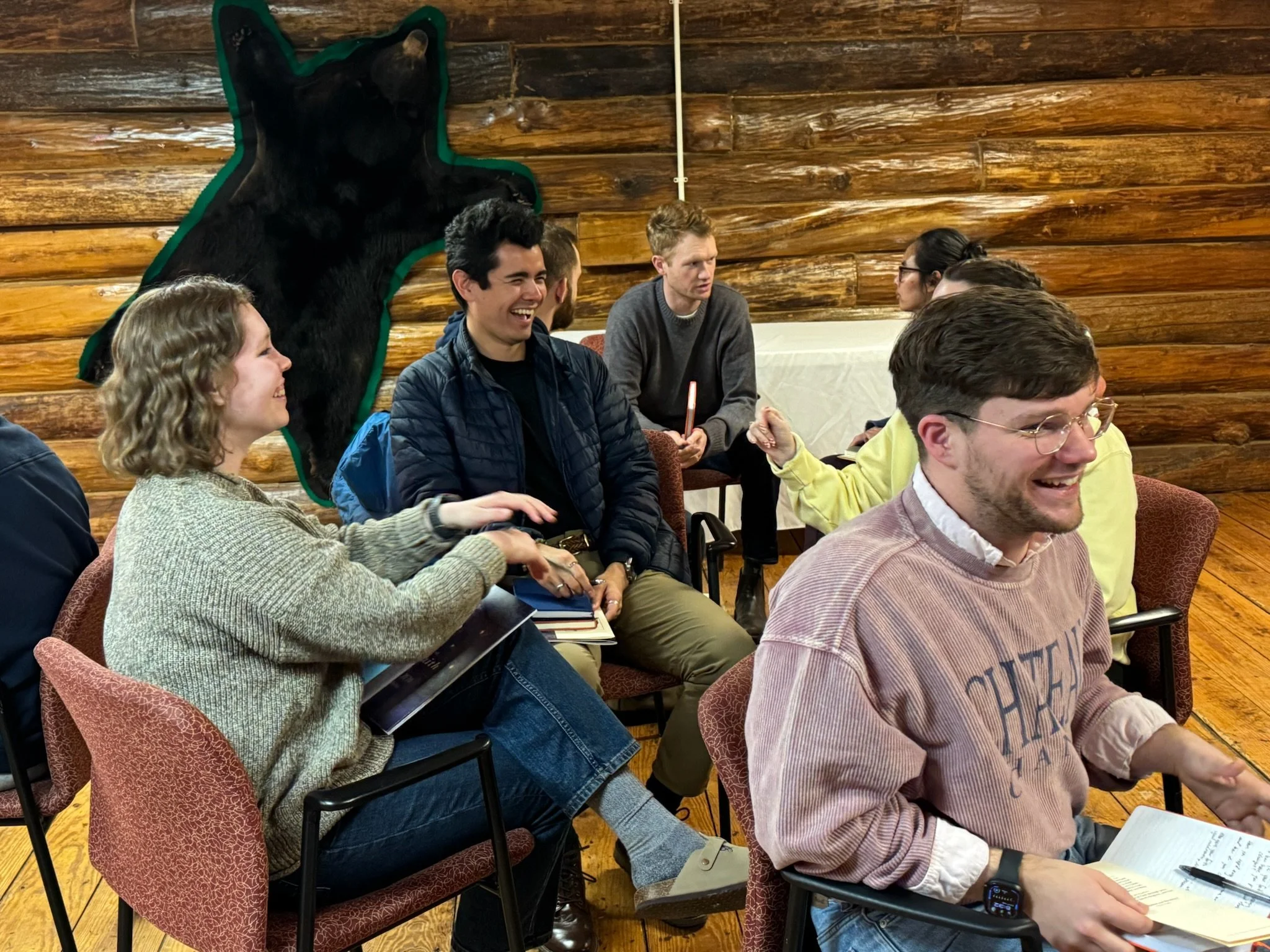
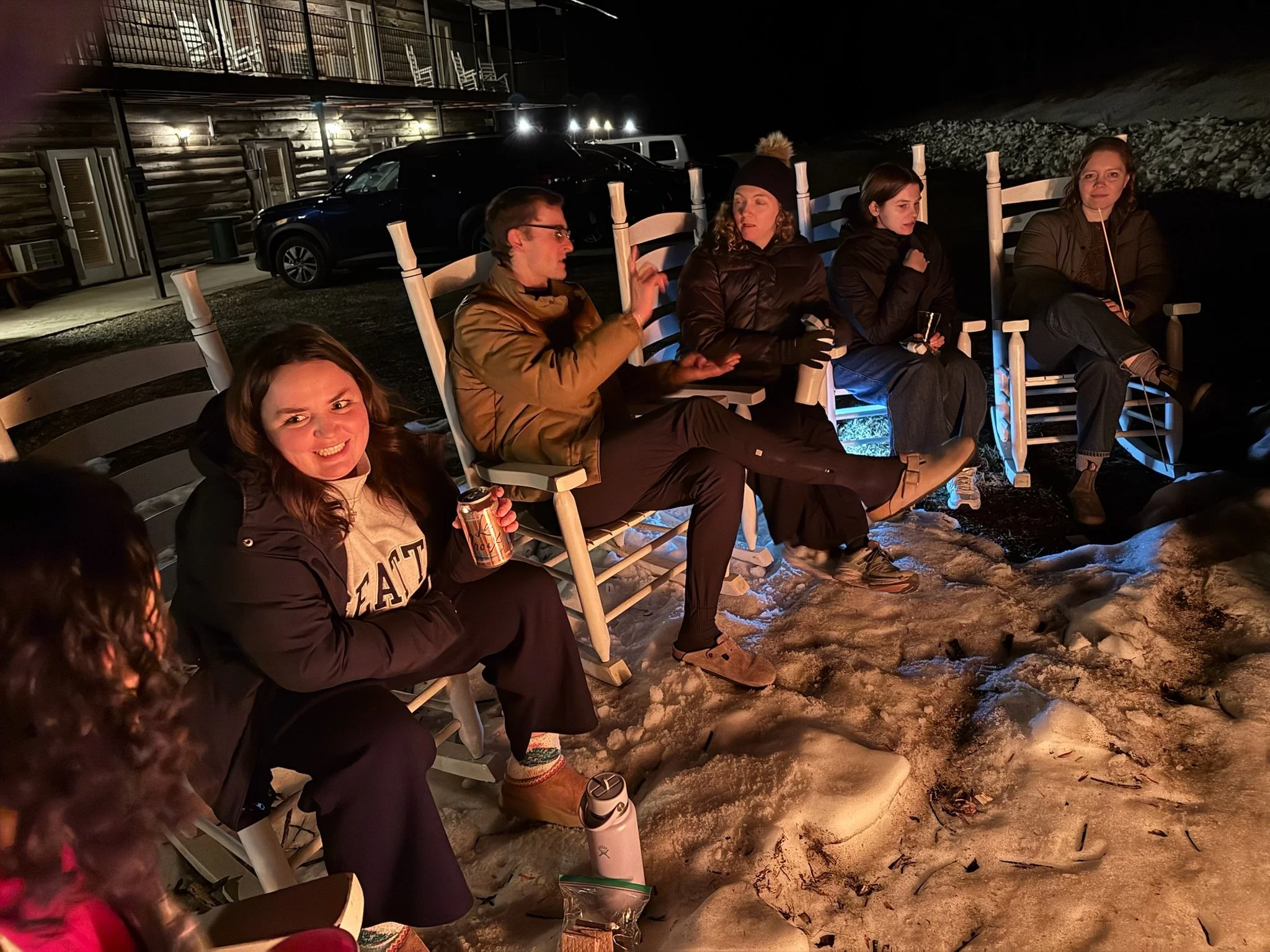
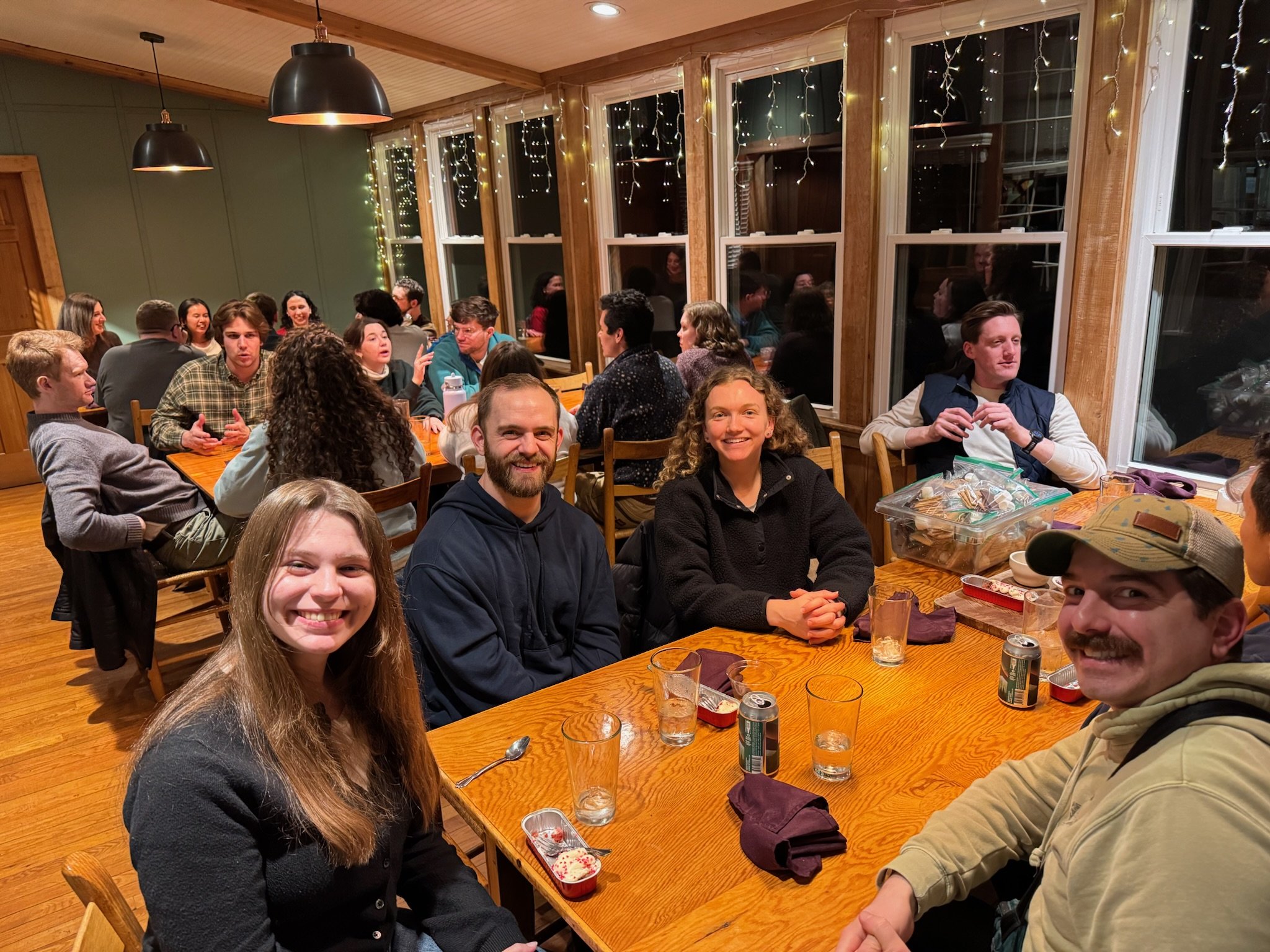
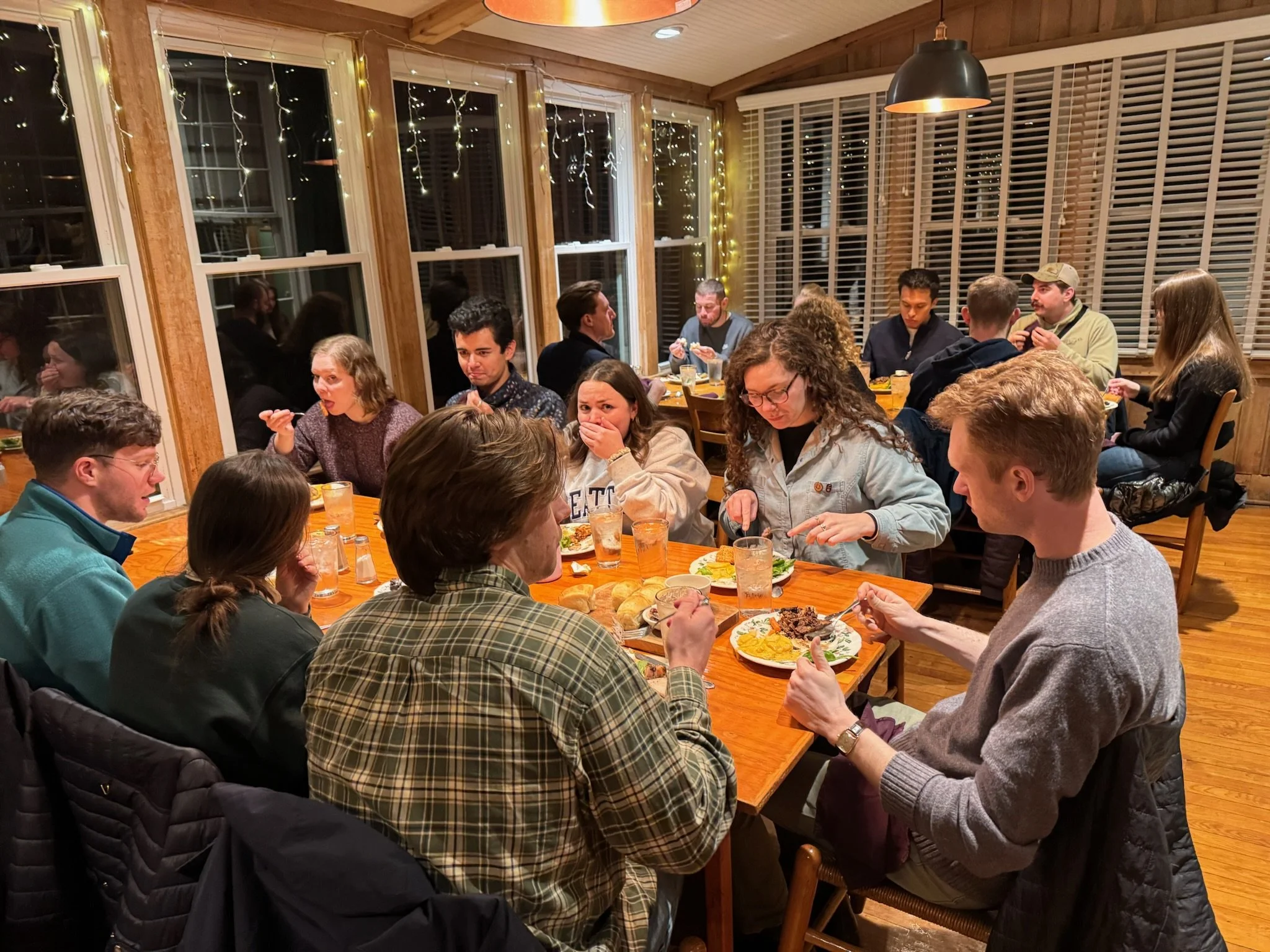
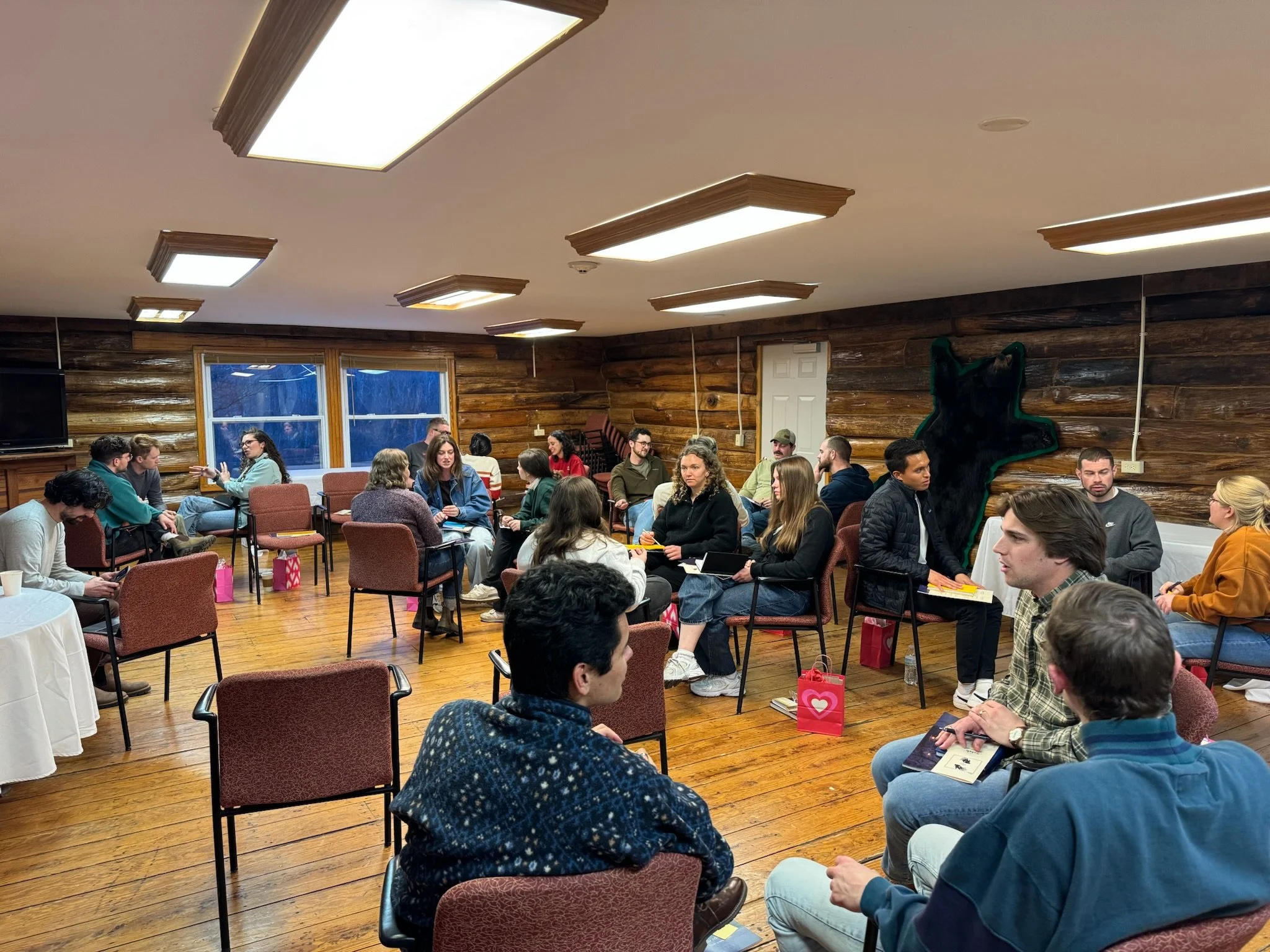
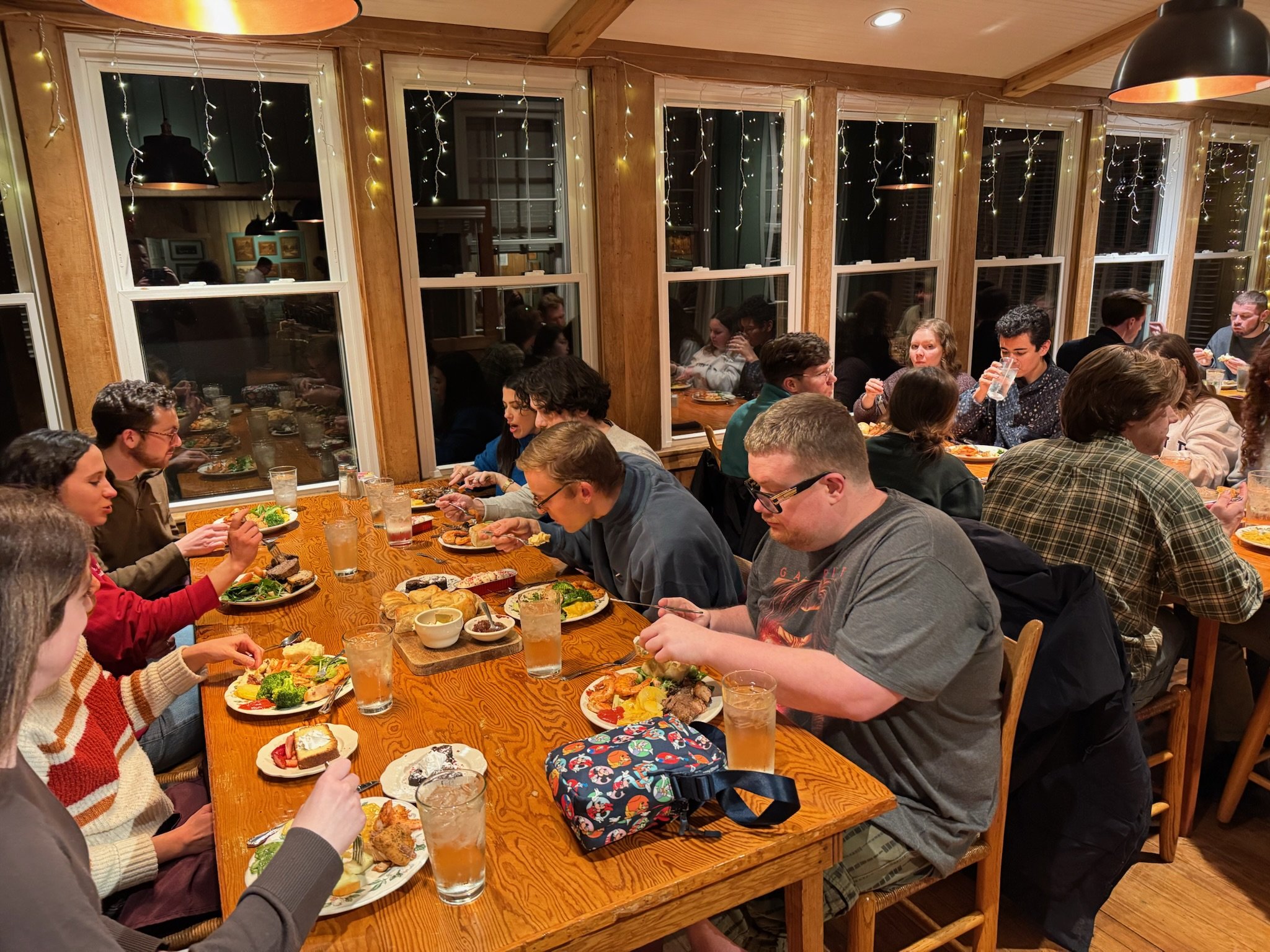
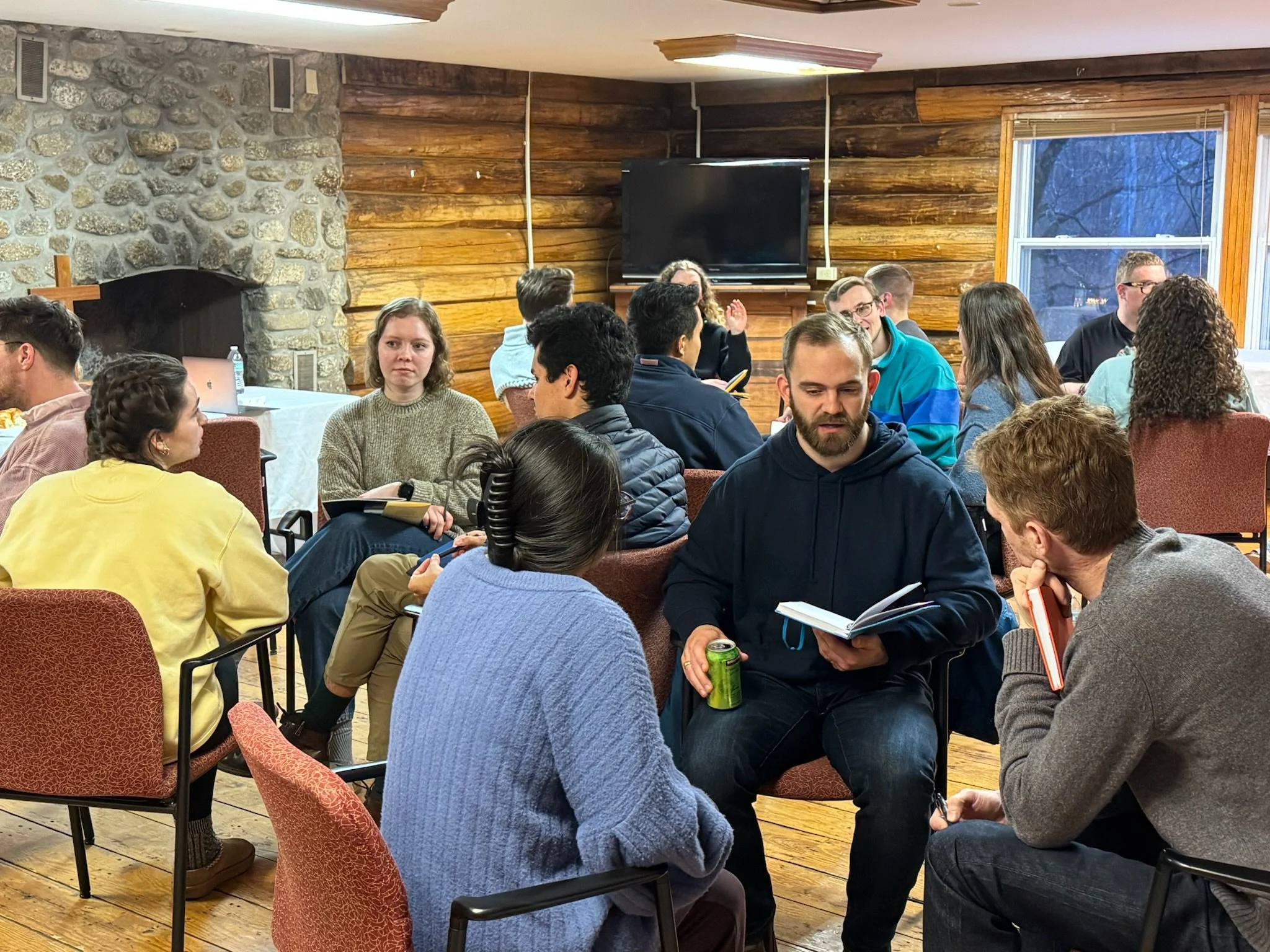
We have seen our young adult community grow from a small gathering into a vibrant, multigenerational movement of people seeking to follow Jesus together.
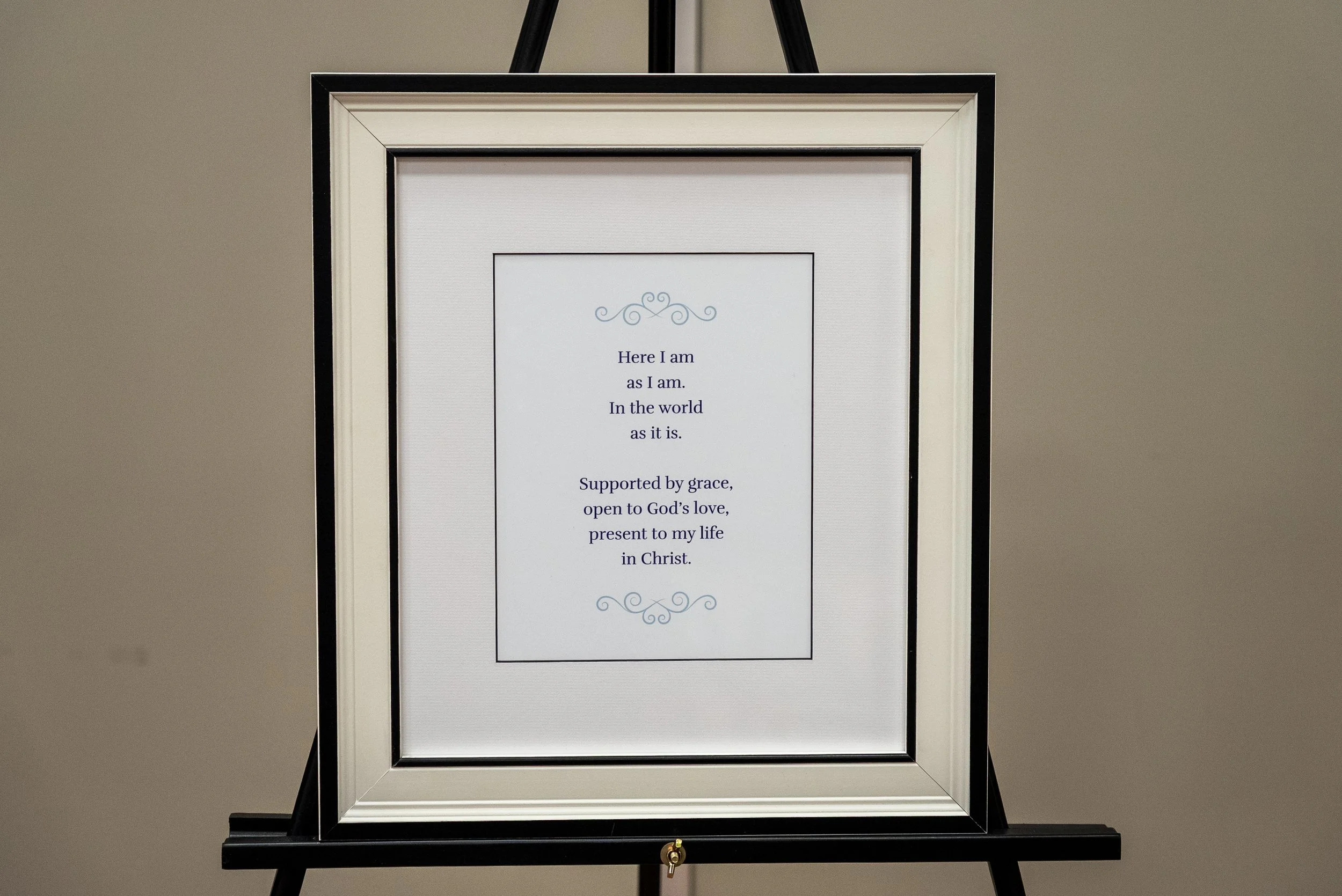
These are not simply institutional achievements. They are the fruit of a pastor who has taught us that showing up as we are, in the world as it is, trusting God’s presence, is itself a spiritual practice.
GRATITUDE AND BLESSING
With Joy and Gratitude
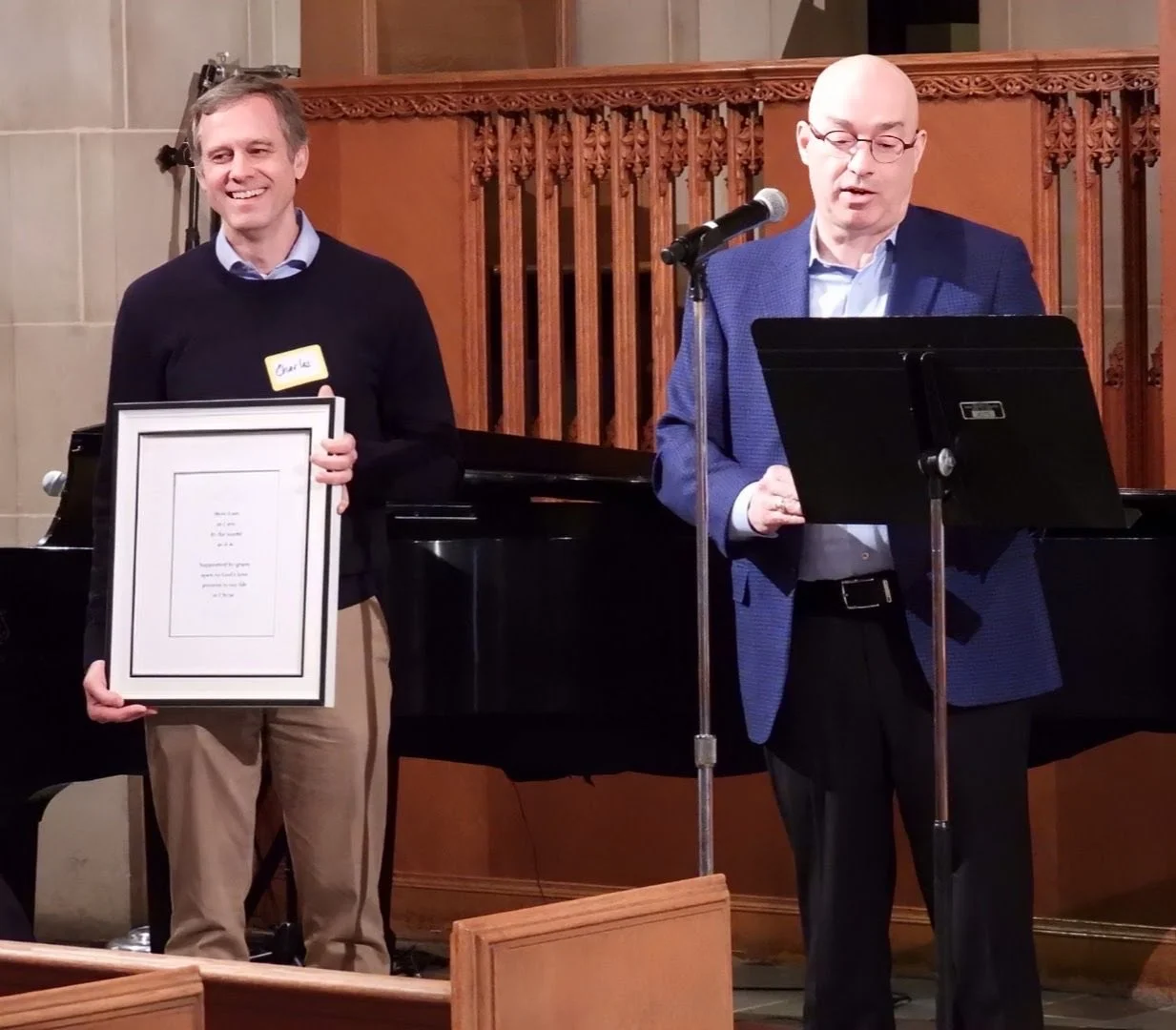
“Here I am, as I am, in the world, as it is. Supported by grace, open to God’s love, present to my life in Christ.”
We have learned this mantra and repeated it until it has settled into our bones. It is, in many ways, the gift of her entire ministry: not certainty, but presence. Not performance, but surrender. Not a closed door, but a table with room.
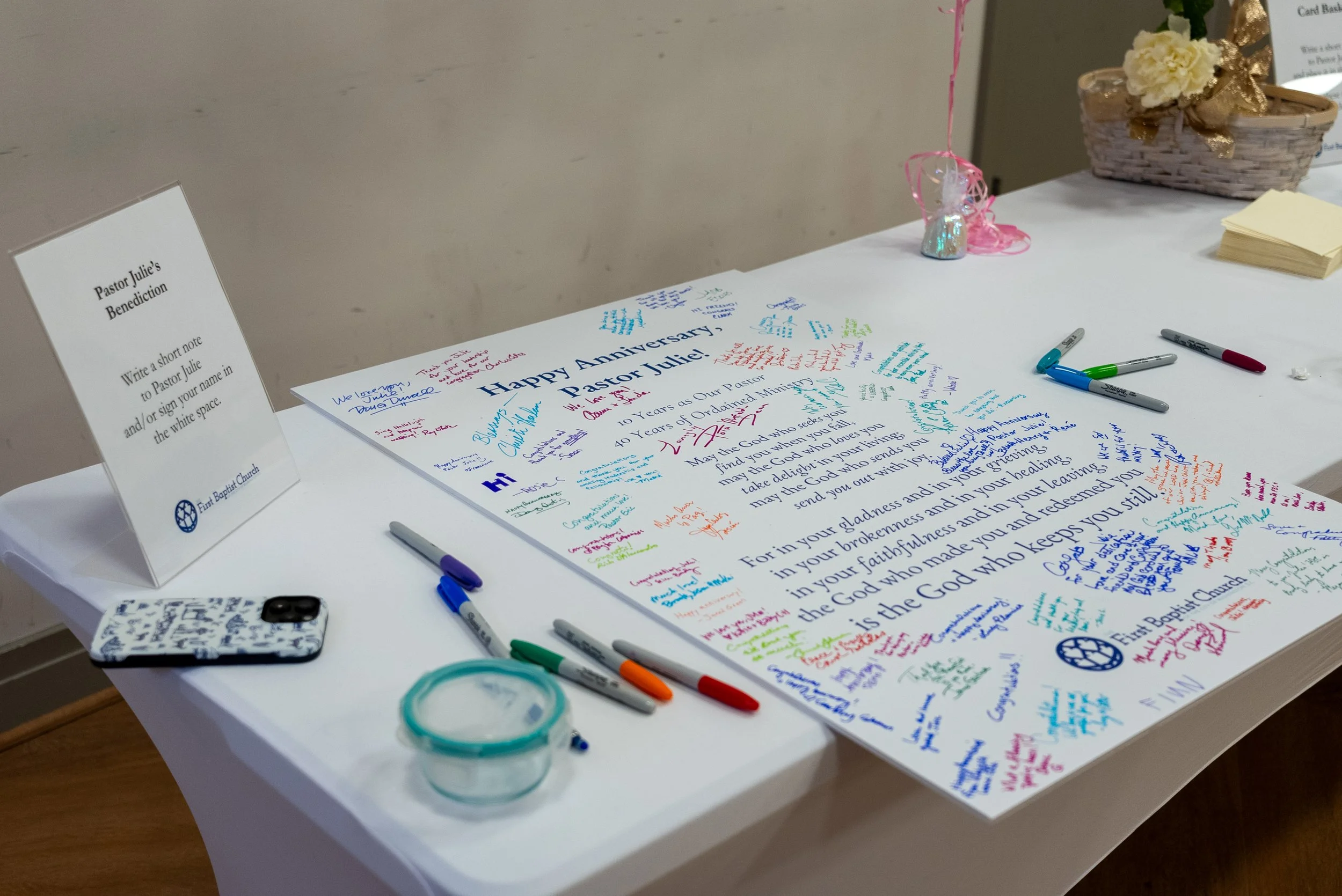
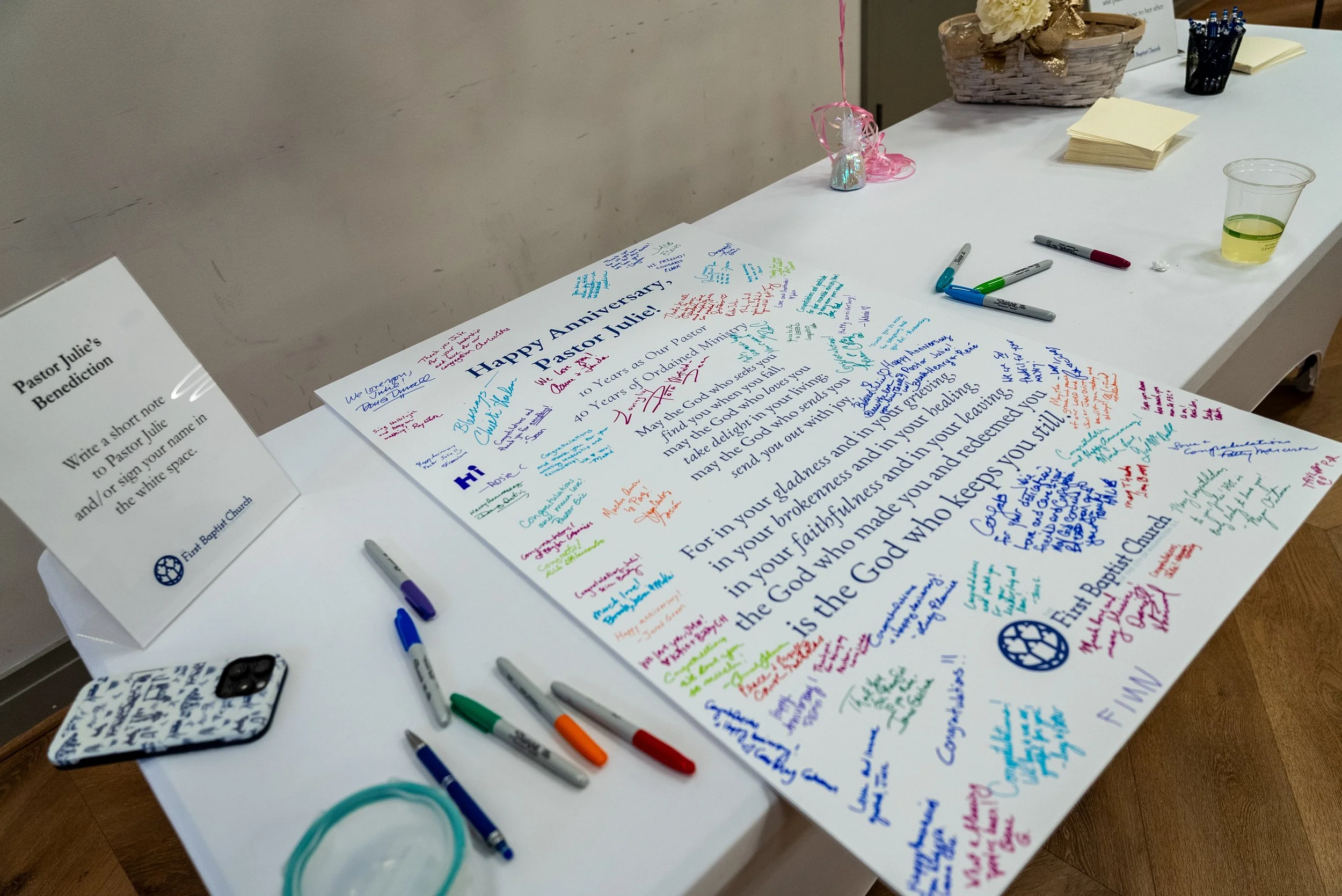
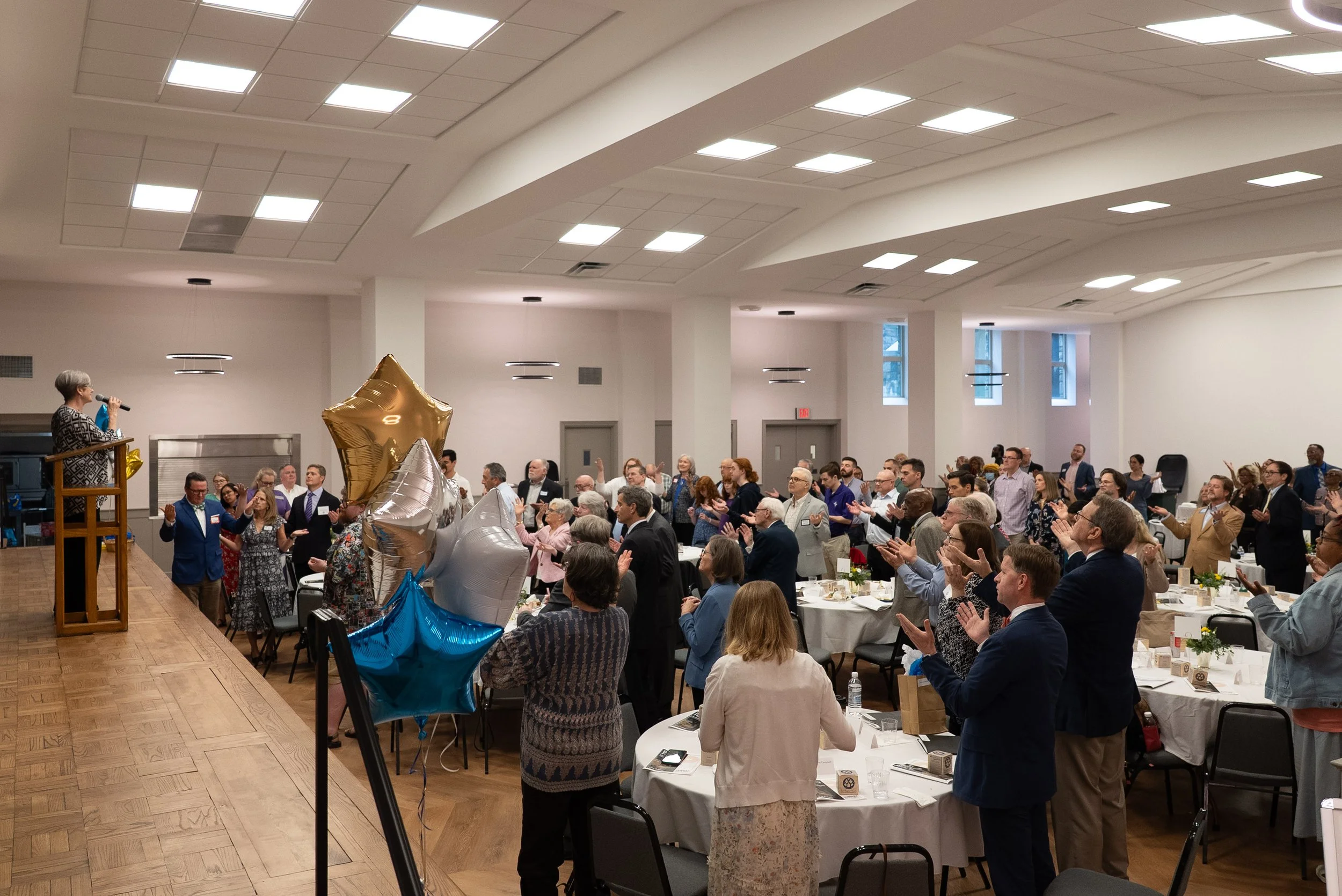
Pastor Julie, we thank God in all our remembrances of you. You have helped us become more fully who God has called and is molding us to be: a loving and active community shaped by the Spirit of Christ.
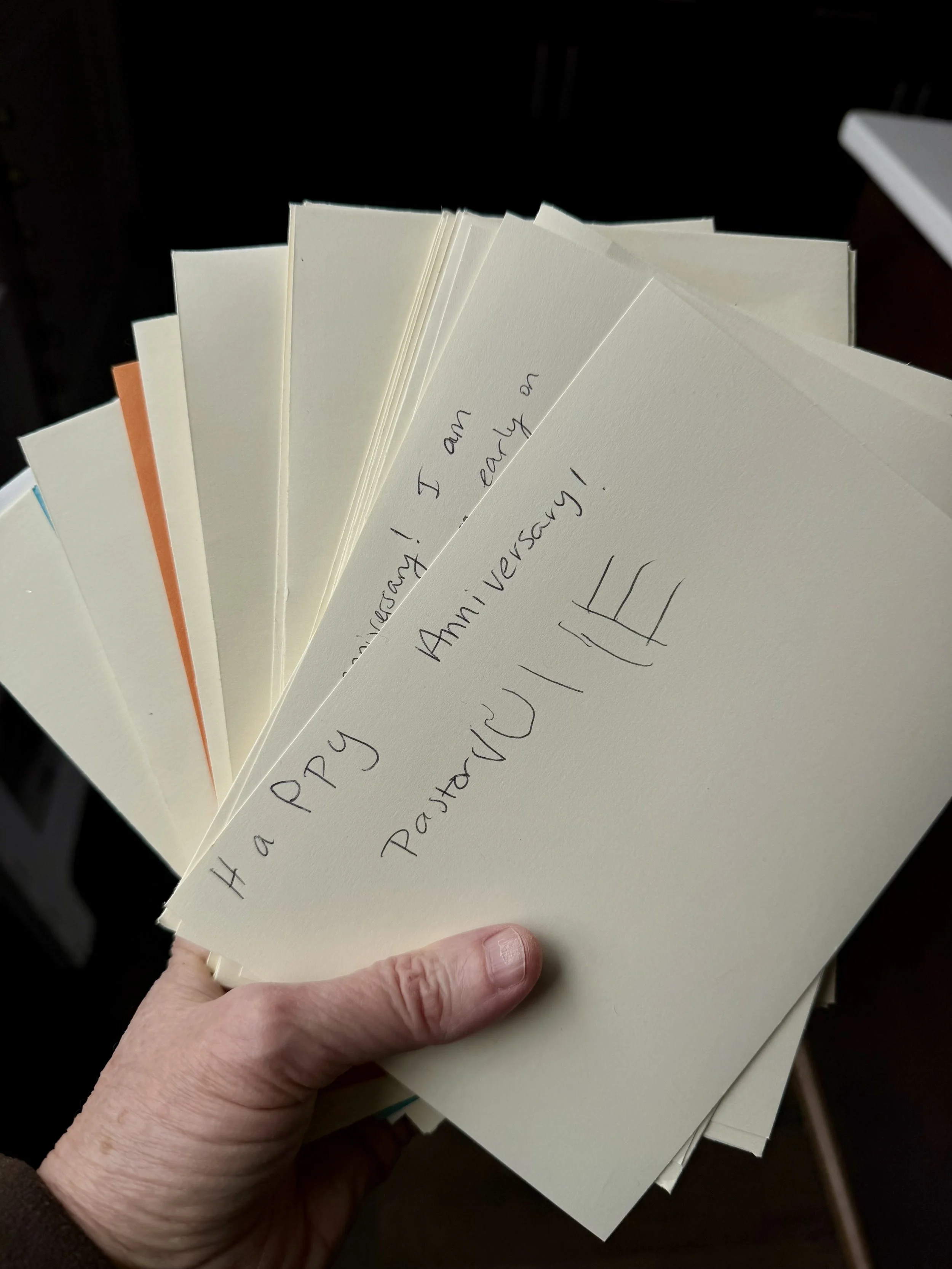
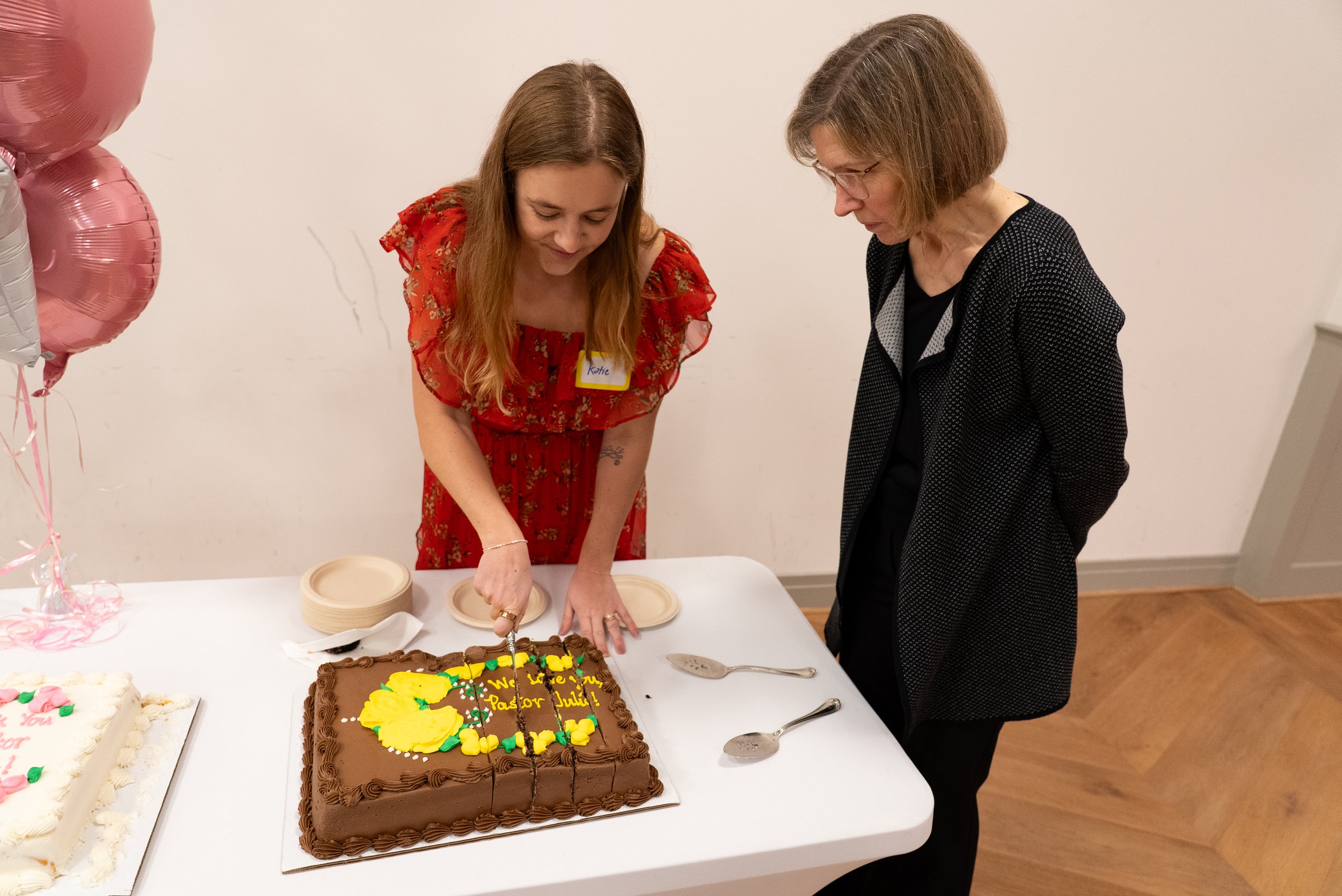
Happy Anniversary. We love you beyond measure.